





 Portuguese
  English
  Spanish
  4 min of reading
  0 comments


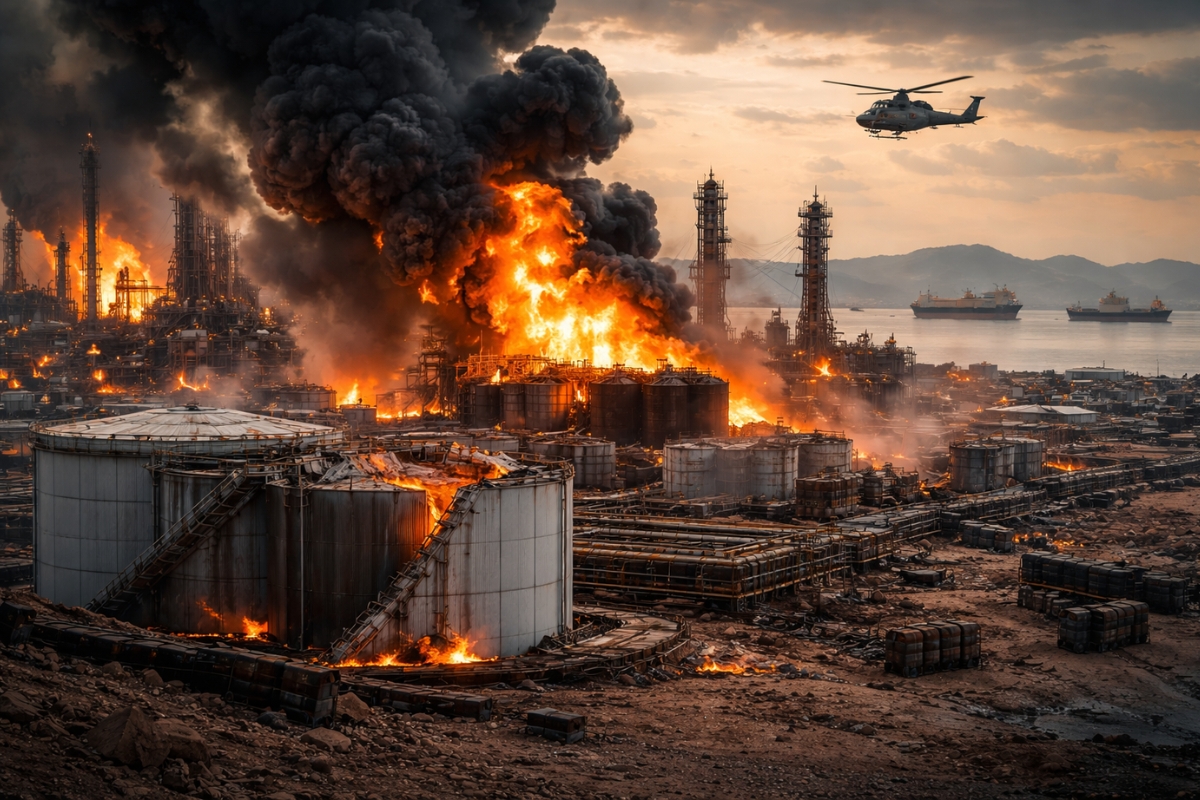
Attacks In The Middle East Destroy Predictability Of Oil, Block Strategic Routes, Elevate Cost Of Fuel And Freight, And Put Food, Energy And Inflation In The Same Domino Effect That Already Led The World To Historical Crises
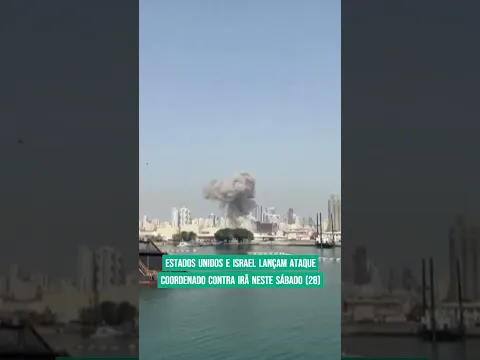
The recent bombings by the United States and Israel against Iran have triggered a shockwave that we have barely begun to understand. What occurred this past weekend in February is not an isolated incident, but the possible beginning of the most severe global energy crisis in over half a century.
The seriousness of the current situation evokes the ghosts of the oil shock of 1973, which plunged the world into historic inflation. Experts warn that the pressure on prices we are seeing today may be even more severe than that experienced during the COVID pandemic.
The allied offensive was massive and surgical, hitting targets in more than 30 Iranian cities with thousands of coordinated bombings. The most impactful result of this operation was the confirmed death of Supreme Leader Ali Khamenei, who ruled the country for 37 years.
-
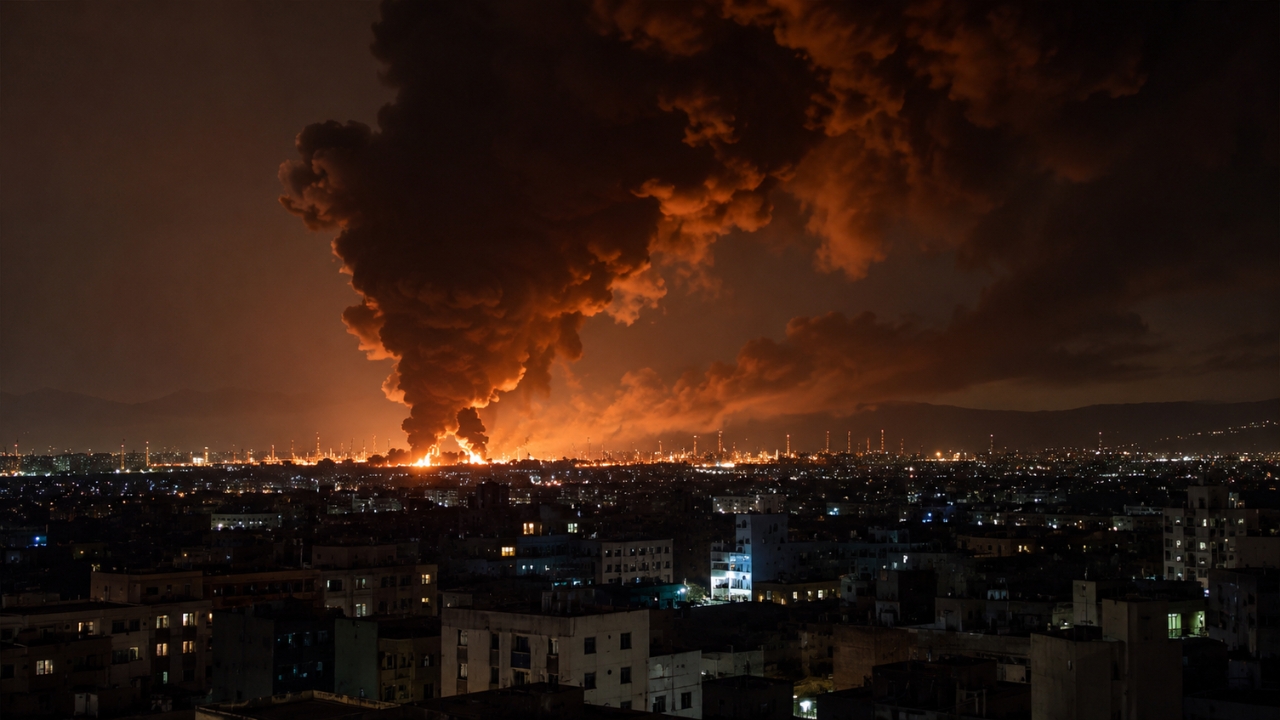
Attacks on refineries in Iran release a gigantic toxic cloud with 33,000 tons of sulfur dioxide, crossing 2,000 kilometers in just two days and triggering an environmental alert compared to a large-scale volcanic eruption.

-
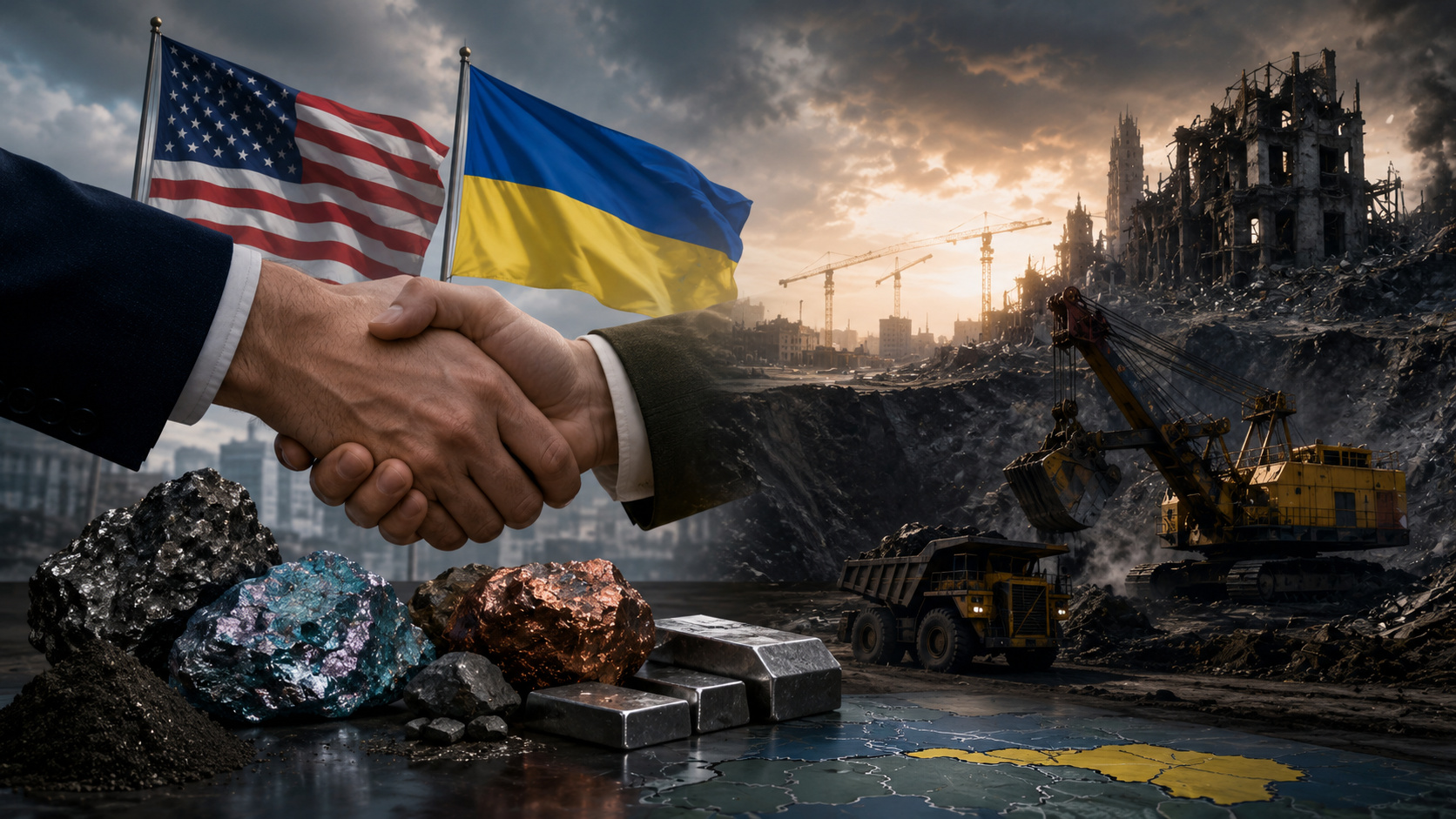
The USA and Ukraine signed an agreement in 2025 that gives Washington priority access to lithium, titanium, uranium, and rare earths in exchange for military aid. The country, which has one-third of Europe’s lithium reserves and 7% of the continent’s titanium, is negotiating sovereignty over resources worth trillions using geological maps made by the Soviet Union 60 years ago.

-
The USA classifies PCC and Comando Vermelho as terrorists, targets asset freeze and material support, but the decision opens a diplomatic crisis with Brazil and reignites alert over sovereignty, sanctions, and the fight against organized crime in a year of national political tension.
-
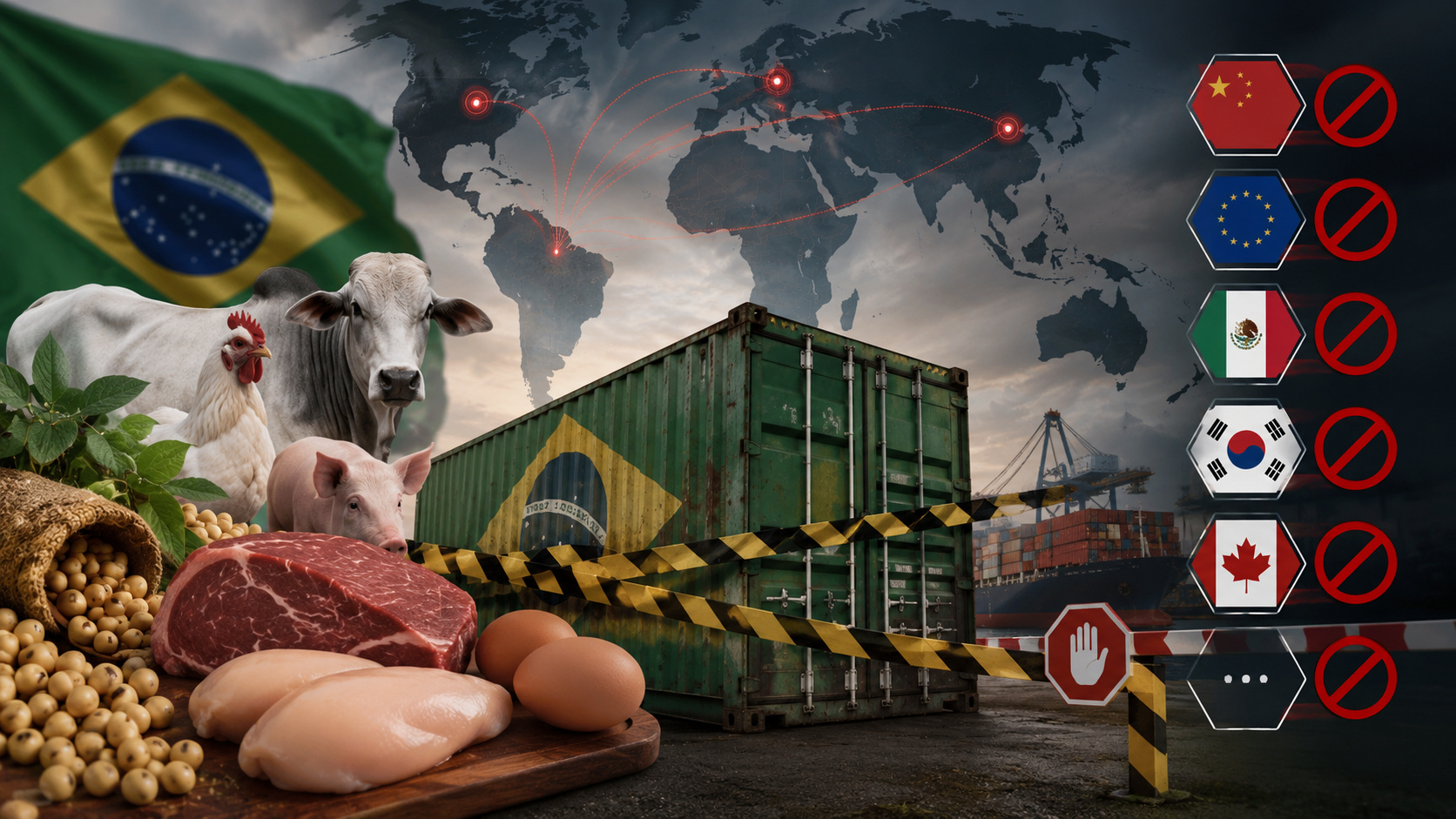
China, European Union, Mexico, South Korea, Canada, and other markets tighten the siege against Brazilian agribusiness: soybeans, beef, chicken, eggs, and live animals are targeted by sanitary barriers, environmental rules, and requirements that expose Brazil’s billion-dollar dependence on foreign buyers.


Iran’s Response: An Attack On The Heart Of The Economy
Far from being paralyzed after the loss of its leader, Iran executed an immediate and large-scale counteroffensive using over 1,500 drones and missiles. This rain of fire hit targets in 11 Middle Eastern countries, demonstrating a reaction capability that surprised international analysts.
The focus of Tehran was strictly economic, targeting the pillars that support energy supply in the West. The main target was Saudi Aramco, the world’s most valuable oil company, whose market value eclipses that of ExxonMobil and Petrobras combined.
By directly attacking the economy of Saudi Arabia, which relies on 40% of revenues from Aramco, Iran sent a message of total vulnerability. The paralysis of these infrastructures does not only affect the region, but it cuts off the flow of capital that moves global markets.
The Collapse Of Refineries And The Suspension Of Gas
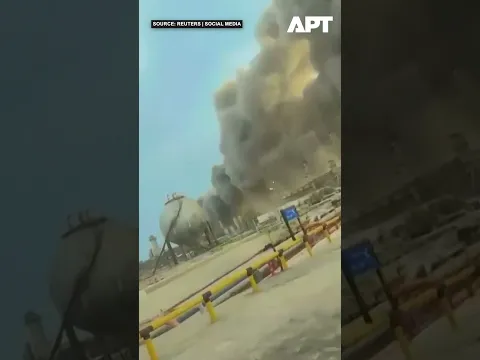
One of the most critical points of the escalation was the impact on the Ras Tanura refinery, the largest crude oil export terminal in the world. This plant processes 550,000 barrels of oil daily, and its forced inactivity has left an unfillable void in the short term.
The crisis quickly extended to the liquefied natural gas (LNG) sector in neighboring Qatar. The attacks forced QatarEnergy to suspend its production, a company that alone controls 20% of the global gas market.
As a consequence of this supply cut, gas prices in Europe soared by 50% in a matter of hours. This volatility threatens to paralyze entire industries and drastically raise the cost of living for millions of European households in the middle of winter.
The Strait Of Hormuz: The Definitive Breaking Point
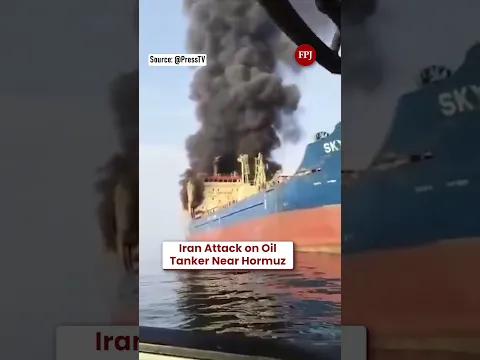
Despite the bombings and the loss of infrastructure, the real danger to global stability lies in the Strait of Hormuz. This channel, just 33 kilometers wide, is the artery through which 20% of all oil consumed by humanity flows each day.
The Iranian Revolutionary Guard issued a global warning stating that no ship is safe in these waters. This threat caused the world’s largest shipping companies to suspend their routes immediately, resulting in a 70% collapse in traffic through the channel.
If the closure of the Strait of Hormuz is prolonged, the impact on fuel, freight, and food prices will be unavoidable. What started as a regional military operation has crossed a point of no return, becoming a systemic challenge for the global supply chain.
Energy, Inflation And Risk Of Recession
In light of this scenario, the world enters uncharted territory. The combination of direct military conflict, simultaneous disruptions in oil and gas, and threats to the Strait of Hormuz creates a perfect storm for a global recession. Governments are already assessing the release of strategic reserves, while markets operate under extreme volatility.
The big unknown now is not only how long the escalation will last, but how far it can go. If the flow of energy remains compromised, the effects will spread rapidly: more expensive fuels, accelerated inflation, pressured logistics chains, and the risk of social instability in various regions.
What started as a localized military offensive may transform into the redefinition of the global energy order. And, as in 1973, the final impact will not be measured just in barrels of oil — but in the cost that each country and each citizen will have to pay.









-

1 person reacted to this.