






 Portuguese
  Spanish




US$ 20 Billion Aid from the U.S. May Save Argentina, But at the Cost of National Autonomy. Is It Worth It?
The United States announced on Wednesday (24) a financial rescue package for Argentina, estimated at US$ 20 billion, amid the currency crisis and the collapse of the country’s international reserves.
The Treasury Secretary, Scott Bessent, stated that the Trump administration is ready to release a swap line with the Argentine Central Bank, in addition to purchasing public bonds and providing emergency credit.
However, the announcement came with conditions: the aid is tied to the political performance of President Javier Milei, who needs to secure a favorable electoral outcome to unlock the assistance.
-
Brazilian Job Market Surprises: Unemployment Falls to 5.6%, Hits Record Low for May, Brazilian Incomes Rise, and Underemployment Reaches Lowest Level Ever Recorded by IBGE

-
Chinese E-commerce Giant Predicts Robots Will Replace 700,000 Delivery Workers as Autonomous Vehicles Expand to 200 Cities, Offering Training for Workers to Maintain Their Machines

-
Trump warns Europe with 100% tariff threat on digital tax, potentially impacting wine and trade agreements
-
As Homeownership Becomes Unattainable in Brazil, Japanese Municipalities Offer Abandoned Houses for as Low as $3,000 to Revitalize Aging, Emptying Cities


This requirement exposes the fragility of Argentine sovereignty and raises questions about the weight of American influence on the political and economic direction of Buenos Aires.
Trump’s Political Support and Confidence in Milei
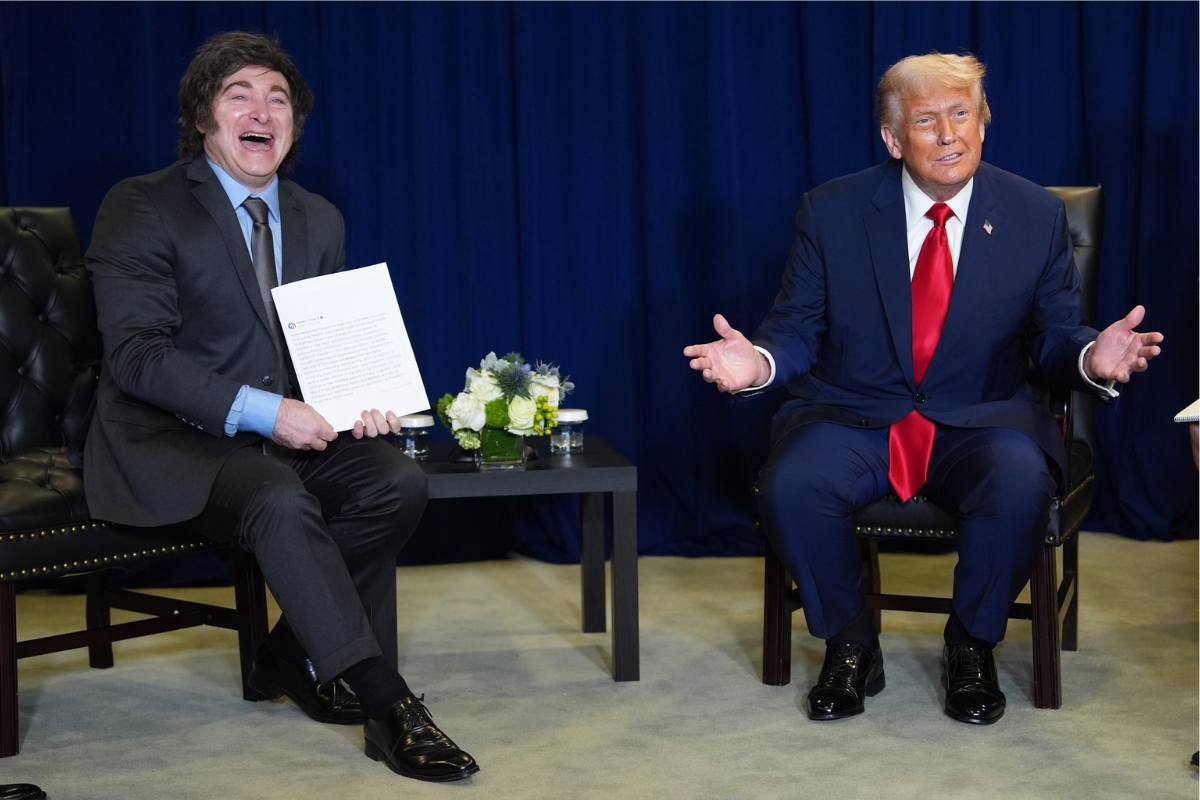
The announcement was made shortly after a meeting between Trump and Milei during the United Nations General Assembly in New York.
Bessent emphasized that the U.S. “is ready to support Argentina immediately after the elections,” signaling that the electoral factor is decisive for the release of the funds.
The Secretary also praised Milei’s government efforts, pointing to an “impressive fiscal consolidation” and important steps towards stabilization.
Trump, for his part, broke diplomatic protocols by offering unusual support to a foreign leader, reinforcing the American bet on Milei as a strategic ally through 2027.

The Fine Print: What Washington Demands in Return
Despite the partnership rhetoric, the so-called “fine print” of the agreement reveals tough impositions. Washington demands that Argentina:
- terminate the existing currency swap with China,
- eliminate currency bands and promote an immediate depreciation of the peso,
- reinstate export taxes on commodities,
- implement rapid structural reforms,
- and abandon strategic projects funded by Beijing, such as dams and infrastructure works.
In other words, in addition to the financial rescue, the U.S. ties the assistance to a geopolitical realignment that distances Buenos Aires from Beijing and increases dependence on Washington.
Country Risk, Debt, and External Dependence
The Treasury’s promise is that the package could help reduce country risk and allow Argentina to return to voluntary debt markets.
However, the aid comes amid a scenario of deep recession, depleted reserves, and rising maturities starting in 2026.
Experts warn that the operation may provide temporary relief but does not address Argentina’s structural economic issues.
The former IMF director, Gita Gopinath, stated that the package “could prevent speculative fluctuations,” but stressed that only sustained internal reforms could ensure real stability.
Help That Comes at a High Price
For Milei, the announcement represents a political trump card, showing international backing at a moment of domestic fragility.
However, accepting a conditional rescue based on electoral outcomes marks a new level of external intervention in Argentine politics.
More than an economic package, the American gesture is a geopolitical move that makes it clear: Buenos Aires’s financial survival is largely in Washington’s hands.
And the price of this aid may be the renunciation of part of the country’s political and economic autonomy.


