Portuguese
  Spanish


A Destination That Once Belonged to Brazil Surprises with Its Accessibility, Remarkable Cuisine, and Quality of Life Above the Latin American Average. Among Famous Beaches, Historical Cities, and World-Renowned Meat, Uruguay Stands Out as a Cultural and Tourist Gem of the Continent.
Uruguay, which was part of Brazil as the Cisplatina Province between 1821 and 1828 and became independent after the Cisplatine War, is now among the most accessible destinations for Brazilians.
Tourist entry is allowed with a valid ID, without the need for a passport. The country features well-known beaches, preserved historical heritage, and a culinary scene led by the parrilla, in addition to social indicators that, according to UNDP, surpass those of Brazil.
With about 3.5 million inhabitants and a higher HDI than Brazil’s, it serves as a safe and organized gateway to explore the southern continent.
-
11-Year-Old Entrepreneur Turns Fear of Bees into Honey Lemonade, Wins $60,000 on Shark Tank, Secures Whole Foods Deal, and Expands Brand Across U.S. Stores

-
9-Year-Old in Brazil Sells Homemade Sweets to Support Grandfather with Parkinson’s, Family Dreams of Buying Candy-Making Machine

-
Man Disguises as His Own Mother to Collect €3,000 Monthly Pension, but Makeup and Beard Stubble Raise Suspicions at Registry Office

-
Brazilian Airport to Receive $2.8 Million Investment, Completion Expected Within a Year





Travel to Uruguay Without a Passport
Brazilians can visit Uruguay by presenting a valid identity card issued within the past ten years.
This rule applies to tourism, which reduces costs and bureaucracy and encourages short-term trips by air, road, or waterway.

At borders such as Chuy and Rivera, the flow of visitors is constant, while the route through Colônia do Sacramento and Buenos Aires multiplies transportation options across the Río de la Plata.
Quality of Life and Updated Data
Socioeconomic indicators help explain the country’s good reputation. In 2022, Uruguay recorded an HDI of 0.830, classified as very high, above Brazil during the same period.
The population, according to the 2023 Census, totals 3,499,451 inhabitants.
Relatively stable public services, an urban park network, and legal security contribute to the perception of well-being, attracting not only tourists but also students and professionals from the region.
Montevideo: History, Culture, and Architecture
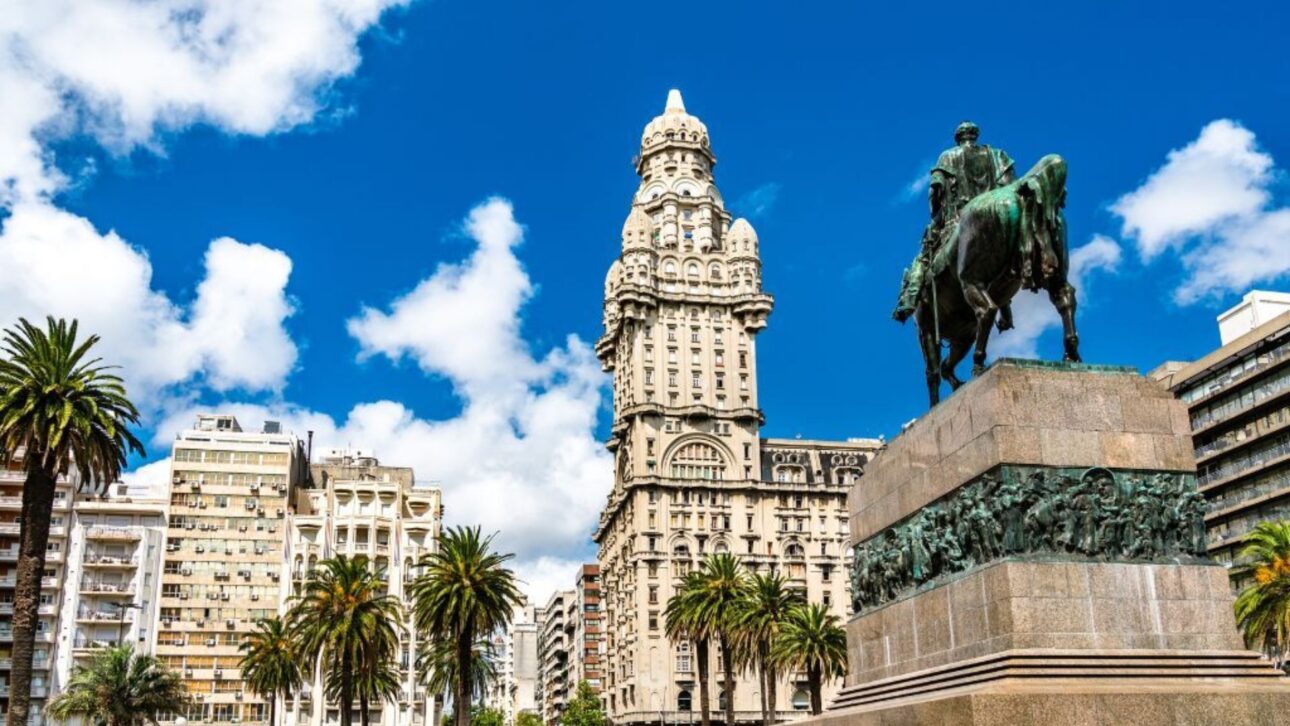
The capital Montevideo combines museums, historic buildings, and green areas. Independence Square transitions between 18 de Julio Avenue and Ciudad Vieja, a neighborhood that concentrates part of the colonial past.
Surrounding the square are architectural icons such as the Palacio Salvo, a landmark from the early 20th century, and the Palacio Estévez, currently the government’s ceremonial headquarters and a museum space.
A few meters away, the Teatro Solís offers guided tours and programming for opera, theater, and concerts in a building inaugurated in 1856.
In the Sarandí, a pedestrian-only street in the Old City, the “Space of Suns” has been created, a kind of Walk of Fame honoring names from culture and sports.
Still in the historic center, the Mercado del Puerto features restaurants specializing in parrilla.
The surroundings include galleries, cafés, and studios, while the Rambla — the extensive waterfront avenue — is used for walking and biking, offering views of the Plata estuary.
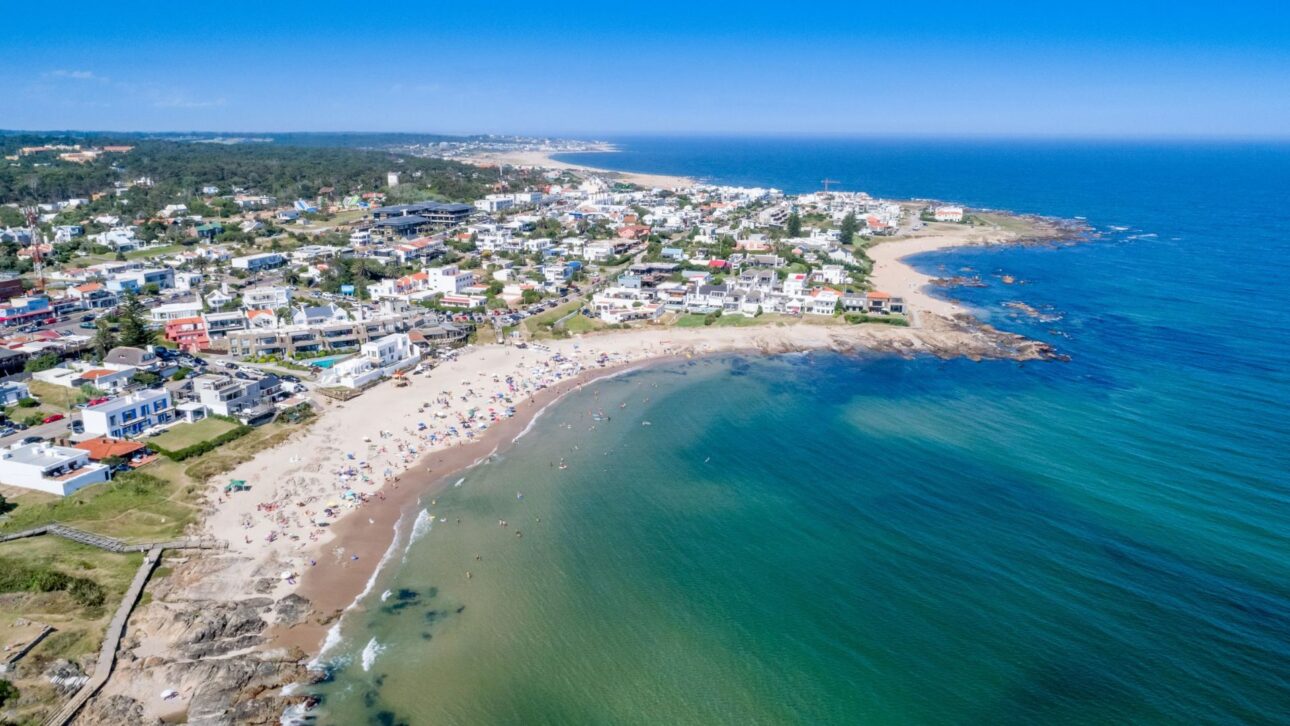
On summer days, urban beaches such as Pocitos and Ramirez become crowded, but the capital maintains a calm atmosphere outside peak hours.
Punta del Este: Beaches and Open-Air Art
The peninsula of Punta del Este establishes itself as the country’s most famous resort. The combination of calm waters in Mansa and waves in Brava attracts different types of bathers.
A few kilometers away, in Punta Ballena, Casapueblo — the house-studio of artist Carlos Páez Vilaró — has become a postcard and offers a sought-after sunset.
In the municipality itself, the Ralli Museum, located in the Beverly Hills neighborhood, exhibits a collection of Latin American art in a building designed to function as a museum, with free admission at certain times of the year.
Meanwhile, tree-lined residential neighborhoods and marinas animate life outside the high season.
Colônia do Sacramento: World Heritage
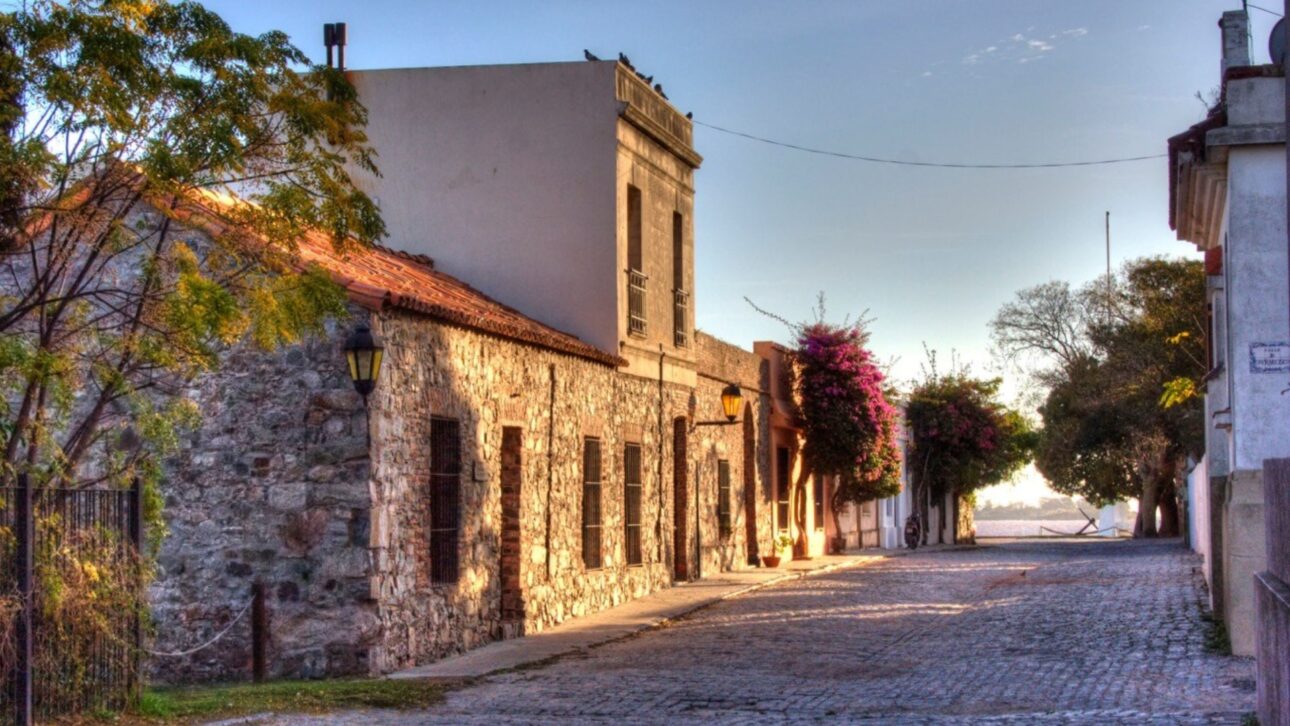
Founded by the Portuguese in 1680 and contested for centuries between the Iberian crowns, Colônia do Sacramento preserves a historic neighborhood with an irregular layout, cobblestone streets, and single-story houses, recognized as a World Heritage Site by UNESCO since 1995.
The walking tour includes the Street of Sighs, the lighthouse, and ancient walls, as well as small museums.
The river crossing between Buenos Aires and Colônia shortens distances and makes it feasible to combine both banks of the Plata in the same itinerary.
Uruguayan Cuisine: Parrilla and Classics
The country’s agricultural base supports a cuisine centered on beef, particularly the parrilla, a grill method that highlights succulent cuts.
Restaurants in markets and neighborhood parrillas offer everything from empty knots to milanesas, including cold cuts and grilled vegetables.
The chivito, a hearty sandwich with steak, ham, cheese, and toppings, appears from classic counters to creative versions.
For quick snacks, the pancho — the local hot dog — is ubiquitous in squares and kiosks.
Possible Itineraries and Best Time
Between December and February, the coast experiences high season, with greater occupancy and events.
Those who prefer museums, walks, and less crowding typically choose spring and autumn, when temperatures are mild and hotels offer more stable rates.
In short itineraries, Montevideo yields two to three days for essential historical and cultural experiences. By extending a weekend, Colônia adds a dive into the colonial period.
To enjoy beaches and contemporary art, Punta del Este and Punta Ballena fit well in two more days, allowing time to visit Casapueblo and the Ralli.
Historical Context of Uruguayan Territory
The Uruguayan territory was part of imperial Brazil as Cisplatina after 1821.
In 1825, the declaration of independence and the subsequent Cisplatine War led, in 1828, to the recognition of an autonomous state on the northern bank of the Plata.
The marks of this struggle remain in place names, monuments, and museum collections, helping to explain why Montevideo, Colônia, and the interior preserve fortifications, squares, and collections from the Luso-Hispanic period.
Why the Destination Attracts Brazilians
The combination of facilitated entry with ID, diverse hotel offerings, short distances between cities, and a balanced offer of beach, culture, and cuisine places Uruguay on the radar of Brazilian travelers.
Adding to this is the perception of quality of life and the sense of organization in urban services, resulting in a destination that caters to everything from weekend trips to longer journeys.
Given this set, what will be your starting point: Montevideo, Punta del Este, or Colônia do Sacramento?