Portuguese
  Spanish


The Crossbreeding of European Wild Boars and Domestic Pigs That Occurred in Brazil in Recent Decades Resulted in the Javaporco, a Hybrid Species That Has Been Causing Environmental, Sanitary, and Economic Impacts in Various Regions of the Country, with Million-Dollar Losses to the Agriculture Industry and Risks to Public Health.
The javaporco is the result of the union between the European wild boar (Sus scrofa) and domestic pigs. The species was introduced in Brazil between the 1980s and 1990s, from Argentina and Uruguay, with the aim of catering to sport hunting and the exotic meat market. However, many animals escaped or were released, initiating crossbreeding with pigs roaming in the fields.
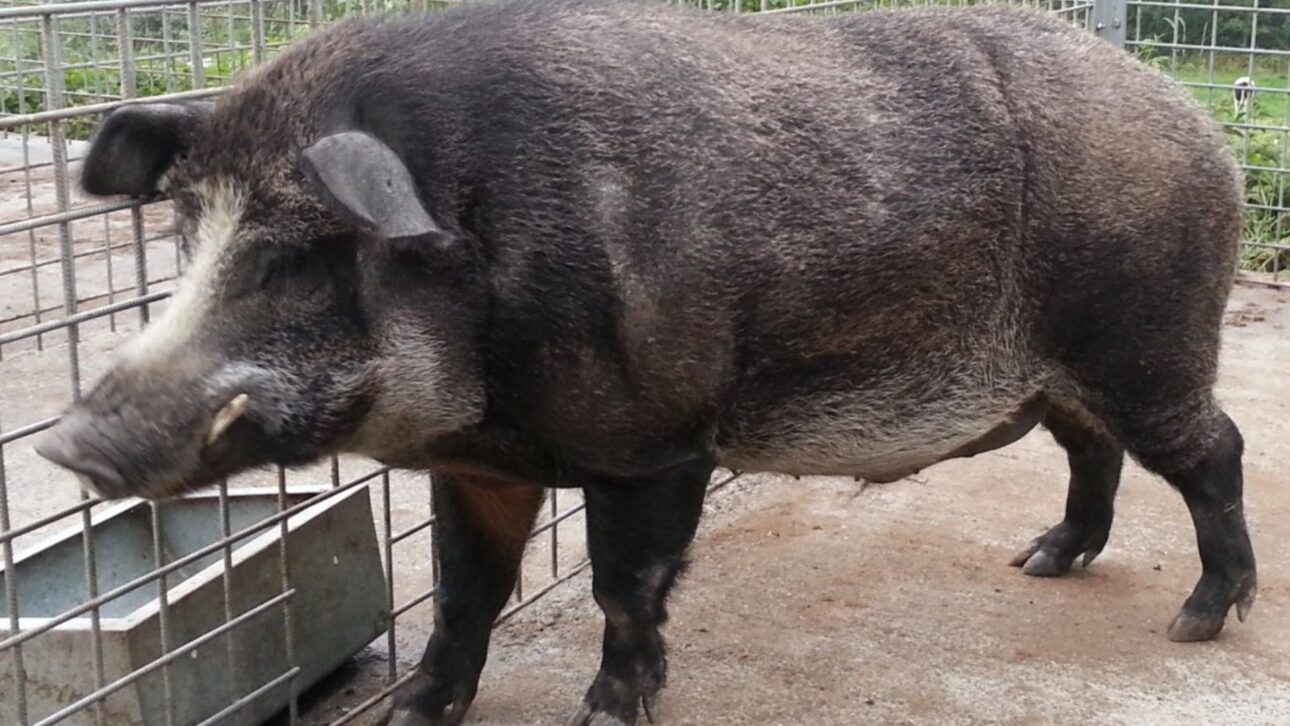
This hybrid carries concerning characteristics: in addition to the aggressiveness and strength of wild boars, it inherited high reproductive capacity and adaptability from domestic pigs. While wild boars reproduce once a year, javaporcos can have up to three litters annually, with up to 12 piglets per gestation.
This rapid population expansion has brought serious consequences. Javaporcos have already been recorded in all regions of Brazil, especially in the South, Southeast, and Central-West. They destroy crops of corn, soybeans, potatoes, sugarcane, and fruits, dig into the soil, cause erosion, and invade natural areas, displacing native species such as peccaries and collared peccaries.
-
El Niño may boost corn and soybean harvests in Brazil and Argentina, offering potential relief for global food prices.

-
Japanese Wagyu Gains International Fame for Its Intense Marbling, Tender Cuts, and High Prices in Brazil
-
Brazilian Farmers with Basic Education Create Backyard Machines That Win National Invention Contest, Beating 242 Projects

-
Brazilian Farm Innovates with Cage-Free Chickens, Producing 3,300 Odorless Eggs Daily


Environmental Impact and Risk to Biodiversity
In addition to agricultural losses, javaporcos pose a direct threat to Brazilian fauna. They compete for food with native species and are omnivorous, consuming eggs, birds, reptiles, and even mammal offspring. Their aggressive behavior also poses a risk to humans, especially when they are in groups with piglets.
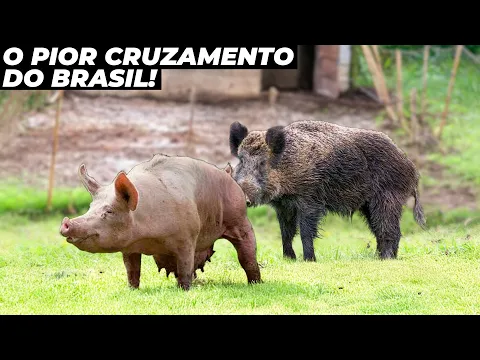

The sharp tusks of males have already caused serious injuries, and there are reports of fatal attacks. Their high adaptability allows them to occupy forests, riverbanks, pasture areas, and even peri-urban zones, increasing the risk of interaction with humans and domestic herds.
Another critical point is the sanitary risk. Javaporcos can transmit diseases such as brucellosis, leptospirosis, rabies, and African swine fever, affecting both livestock and humans. In illegal breeding operations, there are reports of inadequate feeding of the animals, which increases the risk of outbreaks.
Control Measures and Regulatory Challenges
In light of the growing threat, Ibama has authorized, since 2013, the controlled hunt of the species, officially recognizing the javaporco as an exotic invasive species. To operate in control, hunters need authorization, a firearm license, registered traps, and submission of reports to environmental authorities.
Despite this, experts point out flaws in the strategy. Hunting disperses the groups, accelerating the colonization of new areas. Additionally, there are reports of illegal breeding farms that continue the unlawful reproduction of the animals, making population control difficult.
According to information from the “Fatos Rurais” channel, based on reports and institutional communications, enforcement actions have already led to the culling of dozens of animals in states such as Santa Catarina, São Paulo, and Paraná. Even with drones, sniffer dogs, and electric fences, the advance of javaporcos continues to challenge producers and authorities.
Do you think the crossbreeding of wild boars and pigs should have been avoided at all costs? Or was it just another human error with consequences that we are still learning to deal with?