






 Portuguese
  Spanish


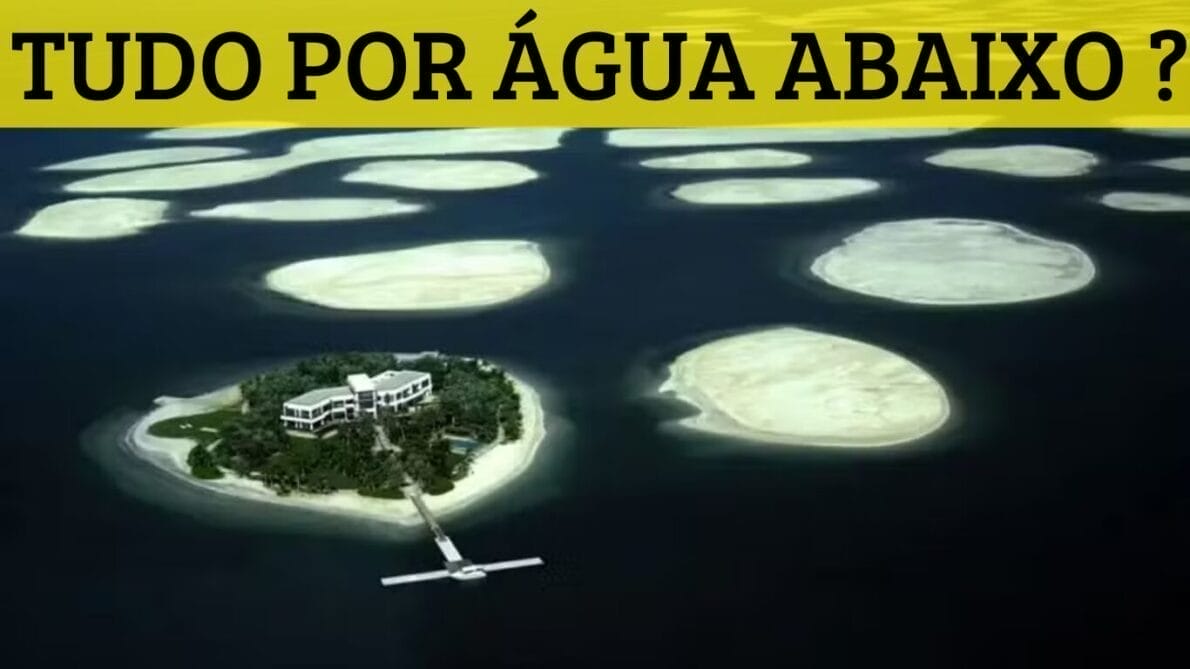
Ambition And Luxury In Dubai: The ‘World’ Project Of The United Arab Emirates Is Still Under Development And Presenting A Series Of Problems From Erosion To Lack Of Connection!
According To BBC, In The Last Years Of The Last Century, The United Arab Emirates Launched One Of The Most Daring Real Estate Projects In History: The Creation Of Artificial Islands That Would Form A Luxurious Complex Known As ‘The World’. This Ambitious Undertaking Promised To Transform The Coastline Of Dubai Into A Replica Of The Continents Of The Planet, Offering Exclusive Properties For The Richest People In The World. However, Two Decades Later, The Reality Of The Project Is Well Different From The Initial Dream.
The Grand Dream Of ‘The World’
An Ambitious Engineering Project
In 2003, Mohamed bin Rashid Al Maktoum, The Prime Minister Of The United Arab Emirates, Launched The ‘The World’ Project, An Archipelago Composed Of Nearly 300 Artificial Islands That Would Recreate The Shape Of The Continents Seen On Maps. The Initial Investment Of US$ 12 Billion (Approximately R$ 63 Billion) Included The Use Of Vast Amounts Of Sand And Stone To Create These Luxurious Islands. The Idea Was Simple: To Allow Buyers To Choose An Island In The Shape Of A Country Or Region, To Then Build High-End Properties.
However, The Project, Which Was Supposed To Replace The Economic Dependency On Oil With The Real Estate Sector, Did Not Achieve The Expected Success. Only A Few Islands Were Developed, And Viewed From The Sky, They Look Like Deserted And Abandoned Dots, Far From Forming A True World Map.
-
Ireland Installs 654 Modular Homes to Shelter 2,640 Ukrainian War Refugees, Offering a 60-Year Guarantee and a Model for Future Housing Crises

-
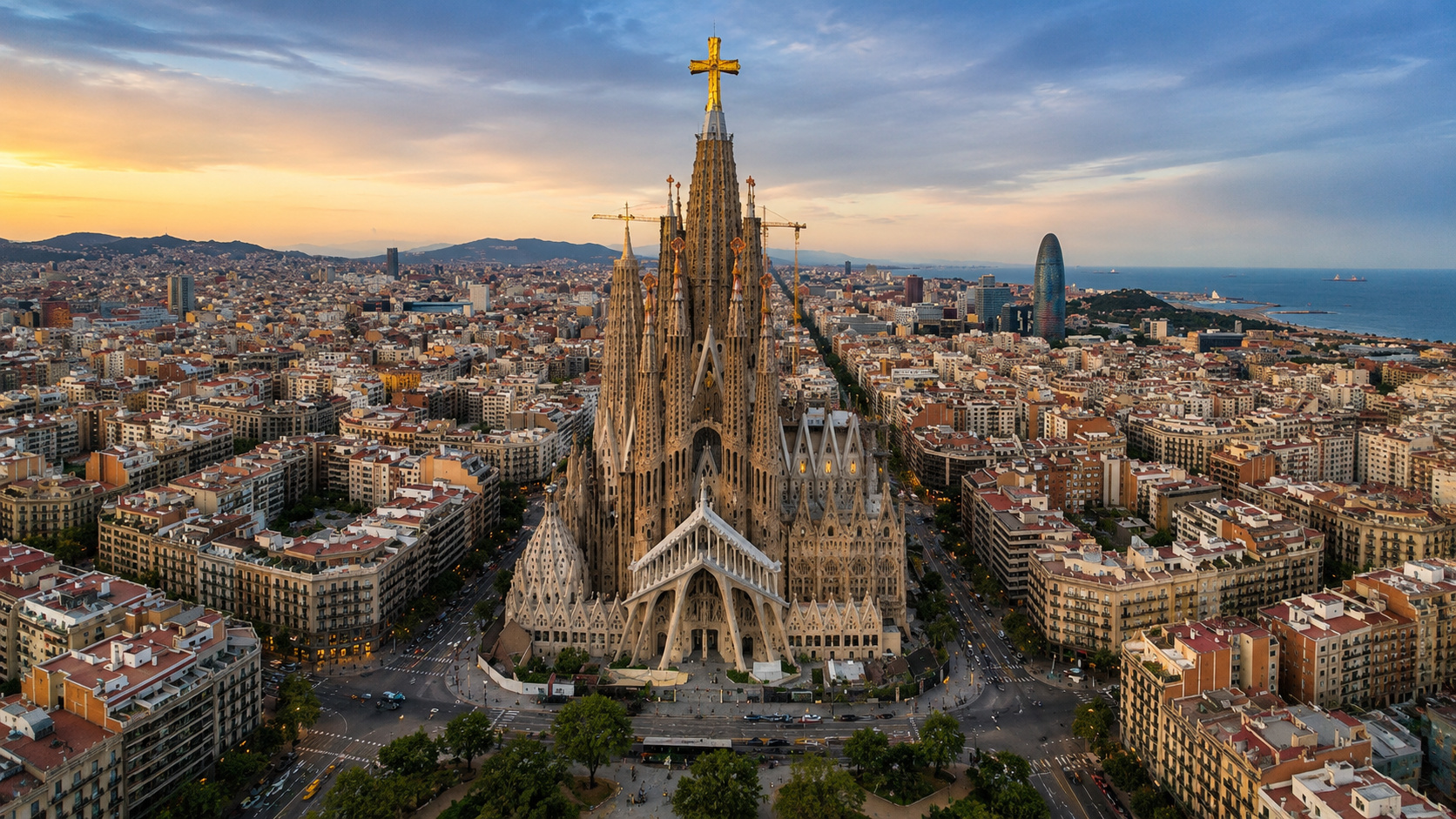
Sagrada Família Becomes World’s Tallest Church at 172.5 Meters, Surpassing German Church with Gaudí’s Design

-
Inspired by São Paulo’s Vila Reencontro, Rio Grande do Sul invests $8 million to provide 18 m² micro-homes for homeless families in four cities, offering amenities and up to two years of housing.

-
Brazil’s Piauí State Invests Over $2 Million in Road Restoration and Urban Asphalt Projects



Challenges And Problems In Dubai
Erosion And Lack Of Connection
Despite The Initial Promises, The Progress Of ‘The World’ Has Been Slow And Problematic. With 60% Of The Islands Sold, Many Already Show Signs Of Erosion. Additionally, Unlike The ‘Palmeira Jumeirah’, Which Is Physically Connected To Dubai, ‘The World’ Has No Direct Links, Such As Bridges, With The Mainland, Making Access And Development Of The Islands Difficult.
The 2008 Financial Crisis Also Played A Crucial Role In The Decline Of The Project, Leaving Many Investors Without Resources To Continue Their Constructions. Although The Promoters Of The Project Claim That The Plans Remain In Effect, Progress Is Virtually Nonexistent, Leaving Most Of The Islands Deserted.
Comparisons And Environmental Impact In Dubai
Relative Successes And Environmental Criticism
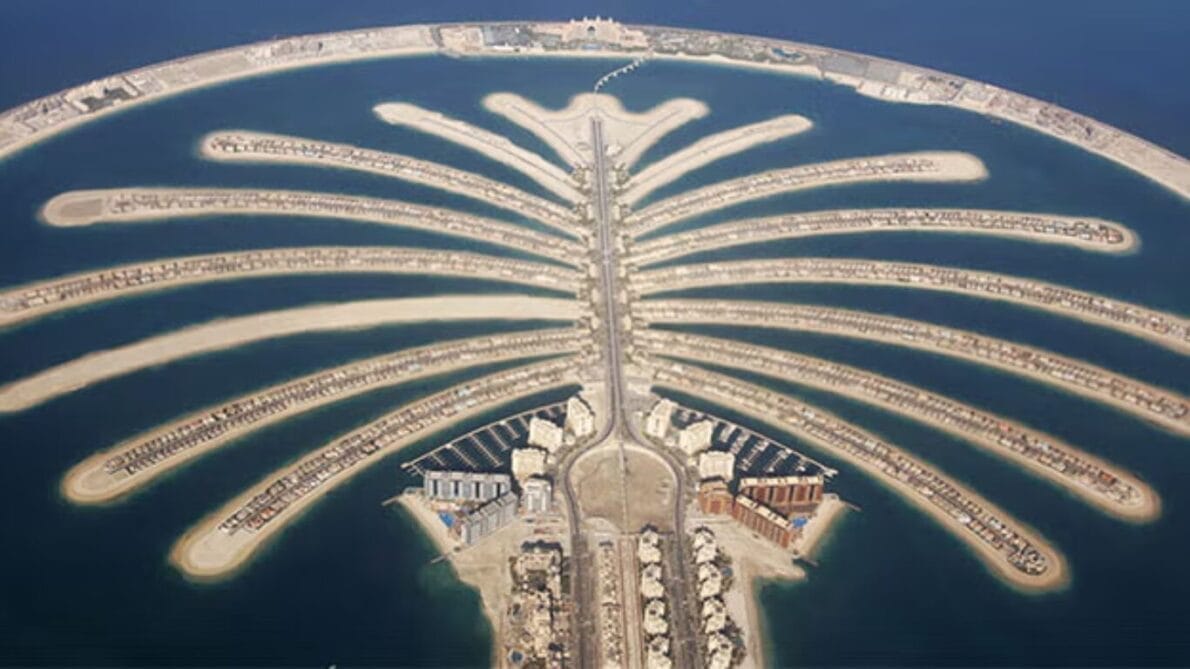
While ‘The World’ Faces Difficulties, Other Artificial Island Projects In Dubai, Such As The ‘Palmeira Jumeirah’, Have Thrived. The ‘Palmeira Jumeirah’ Currently Houses About 4,000 Houses And 25,000 Residents, As Well As Several Hotels And Attractions. However, The Construction Of These Islands Has Had A Significant Environmental Impact, With The Organization Greenpeace Criticizing The Project For Severely Affecting Local Coral Reefs.
Nakheel Properties, The Company Responsible For The Project, Admitted Damage To Marine Ecosystems But Stated That It Has Hired Marine Biologists To Try To Mitigate The Impacts And Restore Damaged Reefs.
The Future Of ‘The World’
Persistence In The Face Of Adversity
Despite The Numerous Challenges, Nakheel Properties Continues To Seek Resources To Revitalize ‘The World’. Although The Future Of The Project Remains Uncertain, Dubai Does Not Shrink Back In The Face Of Risks, Even The Most Costly. As Professor Alastair Bonnett Comments, “If There Is Anything That Characterizes Dubai, It Is Taking Risks.”
Thus, While ‘The World’ Still Struggles To Materialize As The Visionary Project Initially Planned, Other Developments In Dubai Continue To Attract Investments And Tourists, Reinforcing The City As One Of The Most Luxurious And Innovative Destinations In The World.
In The End, It Is Clear That Despite The Challenges Faced, Dubai’s Determination To Reinvent Itself And Diversify Its Economy Remains Strong. The Story Of ‘The World’ Serves As A Reminder That In The World Of Real Estate, Not All Projects Reach Their Maximum Potential, But Each Leaves An Indelible Mark On The Urban And Economic Landscape.



Be the first to react!