





 Portuguese
  English
  Spanish
 3 min of reading


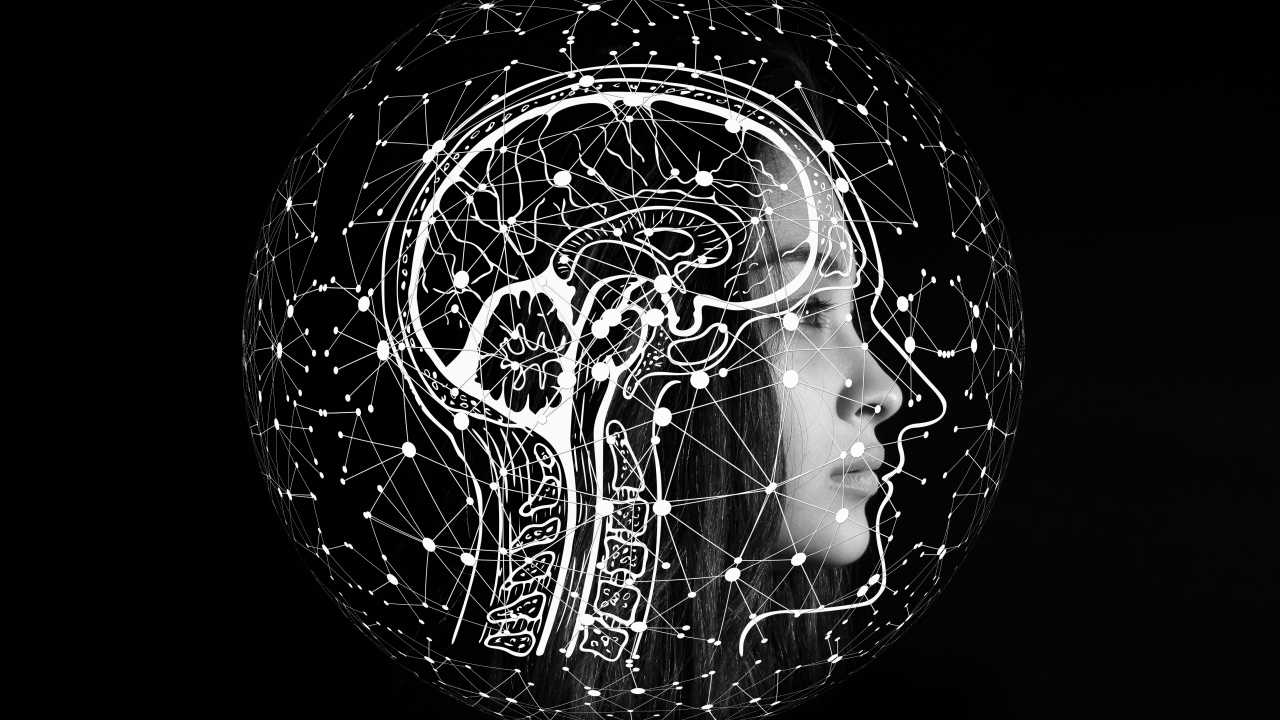
The Future of Artificial Intelligence for 2023 Is a True Mystery. This Is Because U.S. Regulations on the Topic Aim to Control the Worst Aspects of This Segment. Furthermore, Incredible and Transformative New Forms of AI Are Expected to Arrive This Year, But All of This Is Still Hypotheses in the Field.
In 2022, with the success of the Lensa, an AI-powered selfie application developed by Primas Labs, many other applications with this technology are expected to emerge. In fact, the market believes that they could be tricked into creating NSFW images to sexualize and alter the appearance of women.
In this regard, senior policy researcher at the Mozilla Foundation, Maximilian Gahntz, points out that the integration of these applications with generative AI could amplify the effects of these systems, whether that is a good or bad thing.
As an example, we have Stable Diffusion, which was trained on millions of images from the internet until it could associate certain concepts and words with certain images. This happened because current text generation models are easily misled to produce misleading or fraudulent content.
-
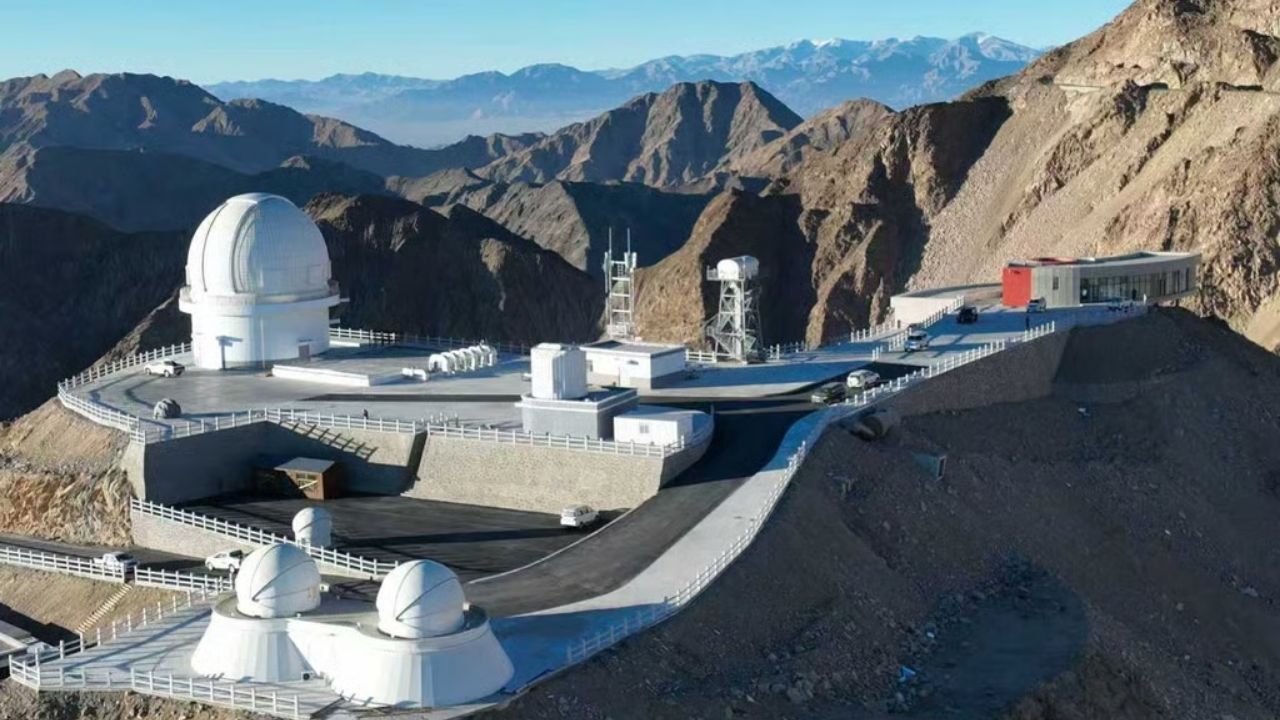
China builds the world’s largest astronomy base on the Tibetan plateau: telescopes up to 14.5 meters in Saishiteng are expected to surpass Mauna Kea by the mid-2030s and put Beijing in the race for the deepest discoveries of the modern universe.

-
Nvidia built the infrastructure of artificial intelligence and became the largest company in the world, but Jensen Huang now needs to defend his throne against Huawei, Google’s TPUs, chip startups, and customers who want to escape dependence on more expensive GPUs.
-
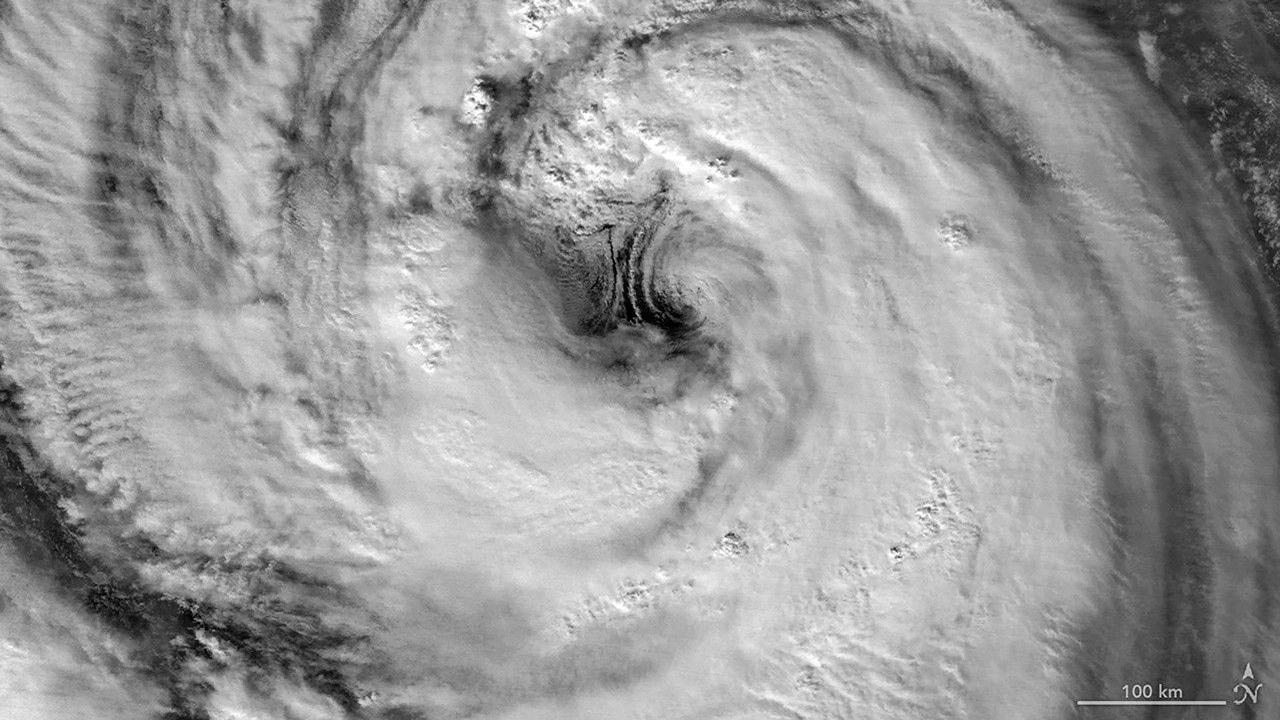
NASA captures Typhoon Jangmi with a giant eye spinning in space, winds of 130 km/h, and huge clouds advancing over Japan in images that impress with the storm’s strength.
-
Hidden beneath the dense vegetation of Mexico, a Maya settlement reveals 80 structures, a colorful mural, a monumental plaza, and structures up to 14 meters tall that may be just the beginning of an even larger ancient city.



Thus, a member of the open research group Knives and Paintbrushes, Mike Cook, states that generalized artificial intelligence will be a problematic force of change in 2023. Regarding the topic, he noted that “It’s not enough to motivate a community of experts [to create new technology] – for the technology to become a part of our lives long-term, it must generate a lot of money for someone or have a significant impact on the everyday lives of the general public.”
Artists Lead the Effort to Disable Datasets
At the end of 2022, DeviantArt launched an AI art generator, developed on Stable Diffusion, and fine-tuned with the art from its own community. For long-time members of DeviantArt, the art generator was not viewed positively, as they criticized the platform’s lack of transparency in using copyrighted art to train the system.
In this sense, the creators of these generators claim that they have taken steps to limit the amount of harmful content their systems produce. However, looking at the generations on social media, it is clear that there are still barriers to be addressed.
On the subject, one of the officials from Stability AI, the company behind the generator, stated that “Datasets require active curation to address these issues and should be subjected to significant scrutiny, including from communities that tend to be left holding the short end of the stick.” For him, there are controversies regarding the control that exists on social media.
Additionally, after public pressure, Stability AI indicated that it would allow artists to opt out of the dataset used to train the next-generation Stable Diffusion model. Thus, through the site HaveIBeenTrained.com, rights holders will be able to request cancellations before training begins in a few weeks.
Finally, it is worth noting that OpenAI, also responsible for the AI behind DeviantArt, does not allow this exclusion mechanism, preferring to partner with organizations like Shutterstock to license parts of their image galleries. However, due to the issues it faces with Stability AI, it is likely that it will quickly offer the option for users to opt out.





Be the first to react!