





 Portuguese
  English
  Spanish
  3 min of reading
  0 comments


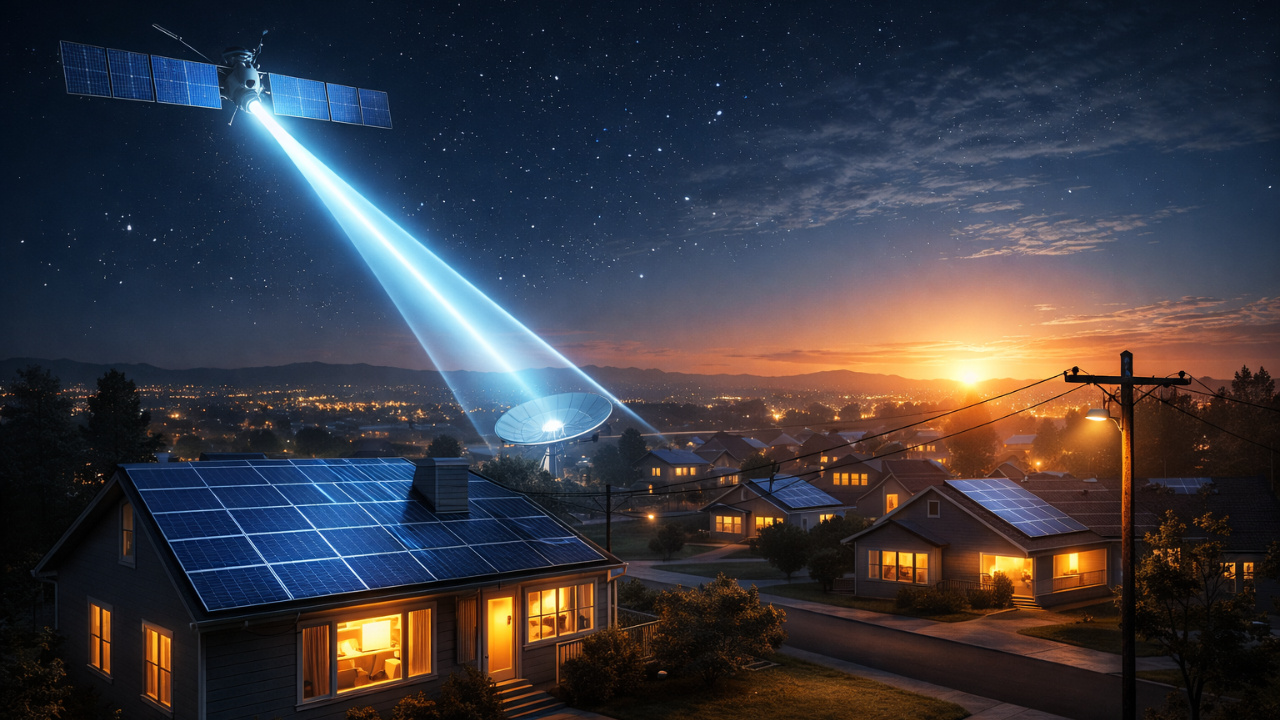
A New Space Solar Energy Technology Tested by American Startup Promises to Transmit Electricity from the Sun Directly to Earth, Without Relying on Day or Weather.
Solar energy has always been seen as one of the major bets to reduce reliance on polluting sources. However, the limitations of day, clouds, and seasons have always imposed barriers.
Now, a technological discovery may change this scenario. An American startup has practically demonstrated that it is possible to capture solar energy outside the atmosphere and send it directly to the Earth’s surface.
While governments and companies are still discussing how to accelerate the energy transition, this new approach emerges as a potential historical turning point. The proposal is simple in concept but complex in execution: use optical systems and energy beams to transport electricity captured in space.
-
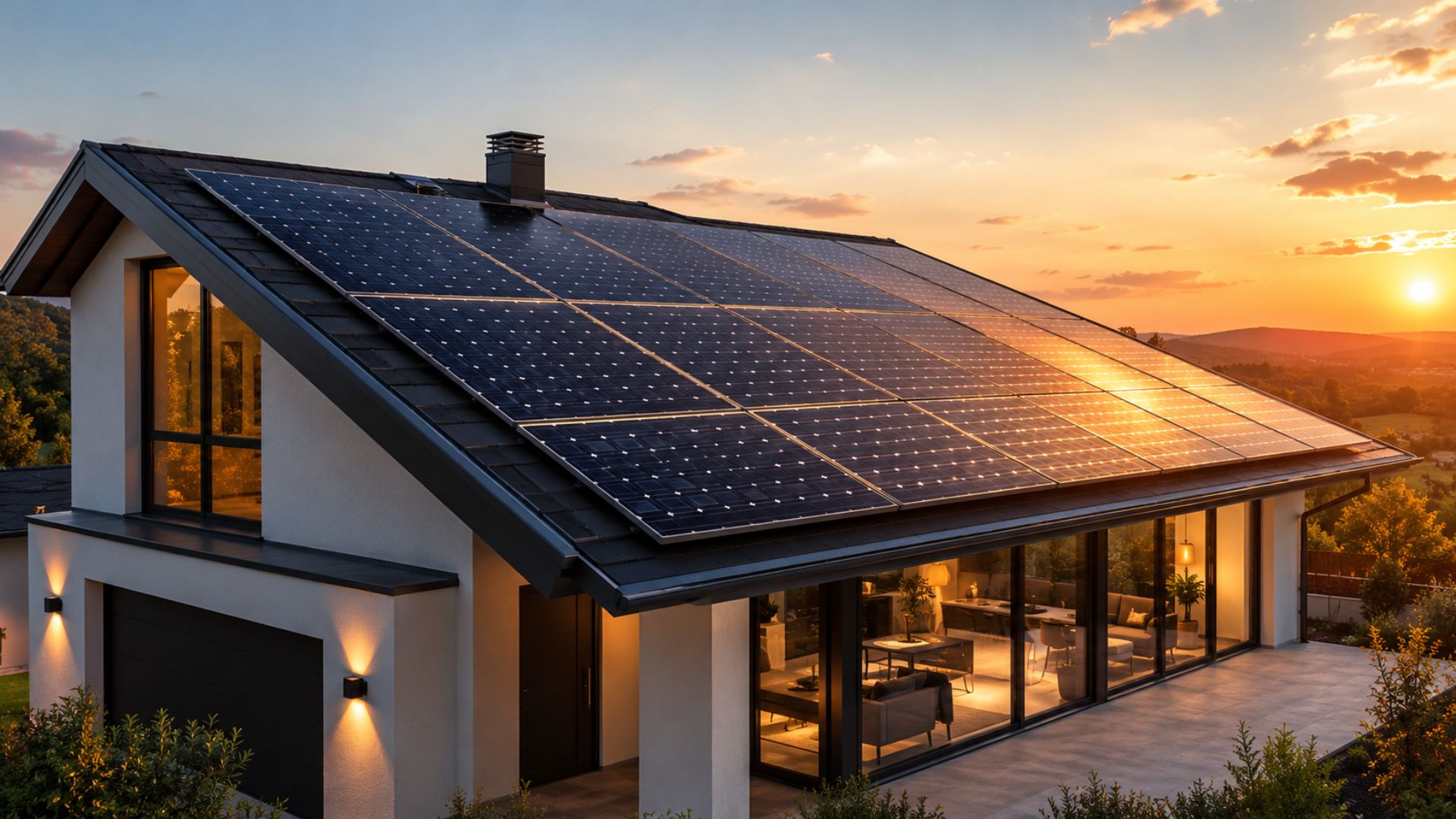
The era of solar panels attached to roofs is beginning to change with transparent glass that generates energy while keeping the view unobstructed, and perovskite photovoltaic windows already tested in offices in Japan promise to transform entire facades into invisible power plants without blocking light or altering the appearance of buildings.

-
The era of silicon alone in solar energy comes to an end with the arrival of perovskite, a material that captures a broader light spectrum, is applied as a thin film, and, together with silicon, reaches a theoretical limit of 45% efficiency in tandem modules.

-
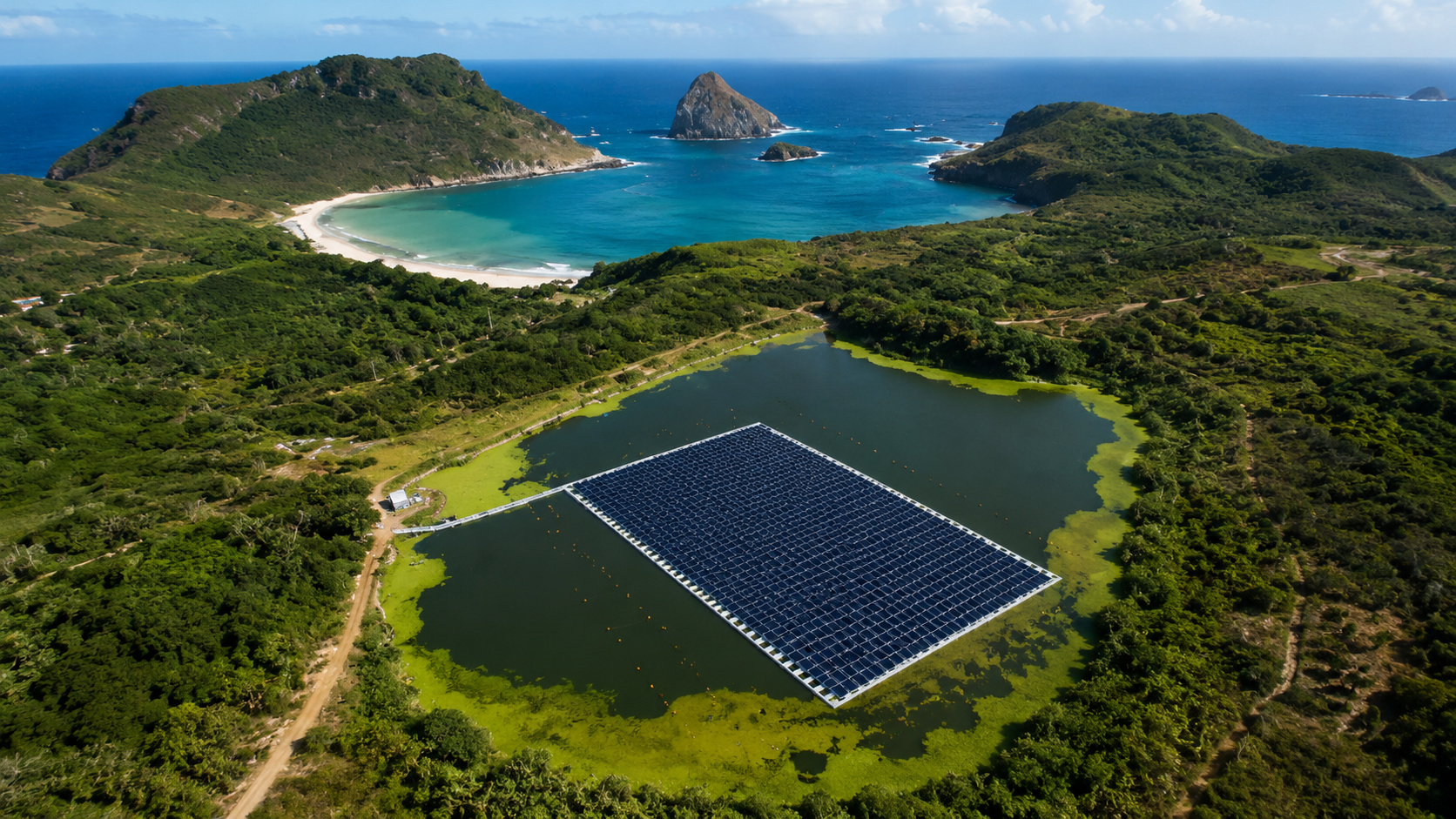
Fernando de Noronha begins unprecedented energy transformation with a R$ 350 million solar plant that promises to replace diesel generation and change the island’s sustainable future by 2027.
-
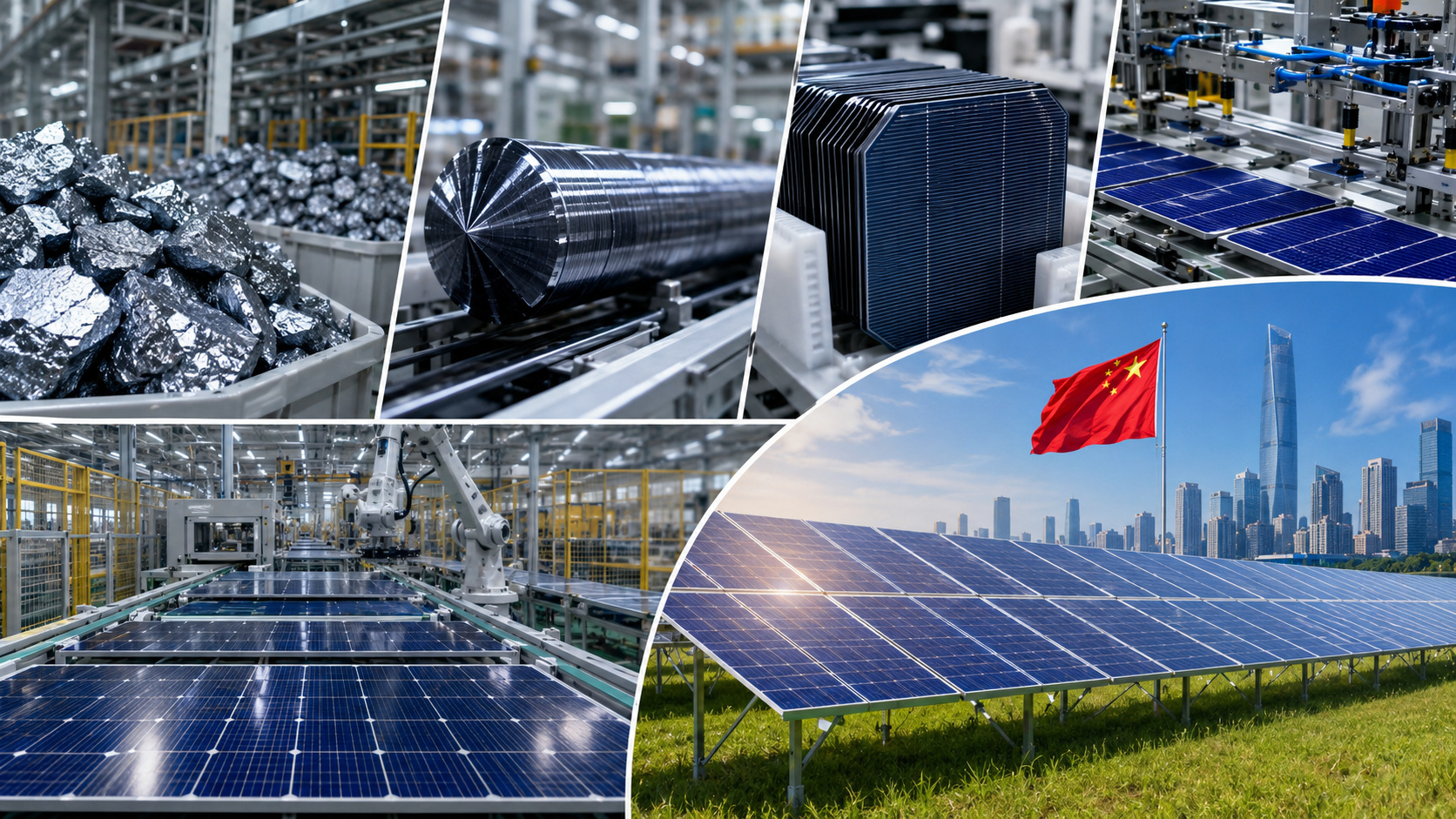
While Europe and the United States rush to save their own solar chains, China already dominates more than 80% of the global manufacturing of solar panels and has turned the sun into an industrial machine controlled by Beijing that is redefining the global energy transition.

Air Test Opens the Way for Space Solar Energy
At the end of 2025, Overview Energy, specialized in space solar energy, conducted a groundbreaking test. A single-engine Cessna Caravan was equipped with optical systems and lasers developed by the company.
During the experimental flight, the aircraft captured sunlight at altitude and transmitted it in real time to a system installed on the ground. The electricity was generated from the conversion of the received light beam, proving that wireless energy transmission can work on a large scale.


According to the company, this was the first high-power practical demonstration with a 100% mobile platform.
The technology is known as space-based solar power or SBSP. It involves a system where satellites in orbit capture sunlight directly outside the Earth’s atmosphere and send it to the surface through beams of microwaves or lasers.
The main attraction lies in consistency. In space, there is no night or weather variations. This means that solar energy can be captured continuously, without interruptions, and sent to Earth 24 hours a day.
This differentiator makes SBSP a strategic alternative for countries seeking energy security.
How Energy is Sent to the Ground
In the experiment, sunlight was converted into an invisible infrared light beam. This beam was directed to a receiver on land, made up of adapted photovoltaic panels.
These panels converted the light back into electricity. According to Overview Energy, the system poses no risks to humans or animals and reduces atmospheric interference.
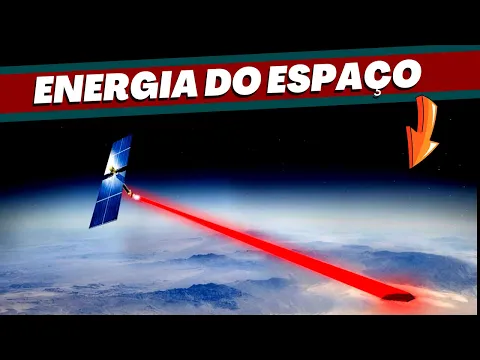
Moreover, dynamic tracking allows the beam to follow the receiver even in motion.
With the success of the test, the company intends to move forward. The next step is to send satellites to low Earth orbit in 2028 to repeat the demonstration in the space environment.
The goal is to start commercial operations in geostationary orbit by 2030. At this stage, solar energy would be continuously transmitted to multiple receivers on the ground, ensuring uninterrupted supply.
Potential to Supply Entire Continents
According to internal estimates, the technology could, over time, meet up to 80% of Europe’s energy needs. This would position space solar power as one of the most promising solutions to reduce dependence on fossil fuels.
Additionally, the proposal may be more efficient than currently discussed strategies, such as massive heat pump installations.
Despite the advancement, obstacles remain. The optical beams may suffer interference from clouds, water vapor, and atmospheric particles. These factors can reduce efficiency on days of unstable weather.
Another point is the lack of public data on the exact amount of energy generated in the test. Without these numbers, it remains difficult to calculate the cost-benefit on a global scale.
Do you believe that this technology has a future in Brazil? Or, if it succeeds, will companies still find a way to raise electricity prices?








Be the first to react!