Portuguese
  Spanish


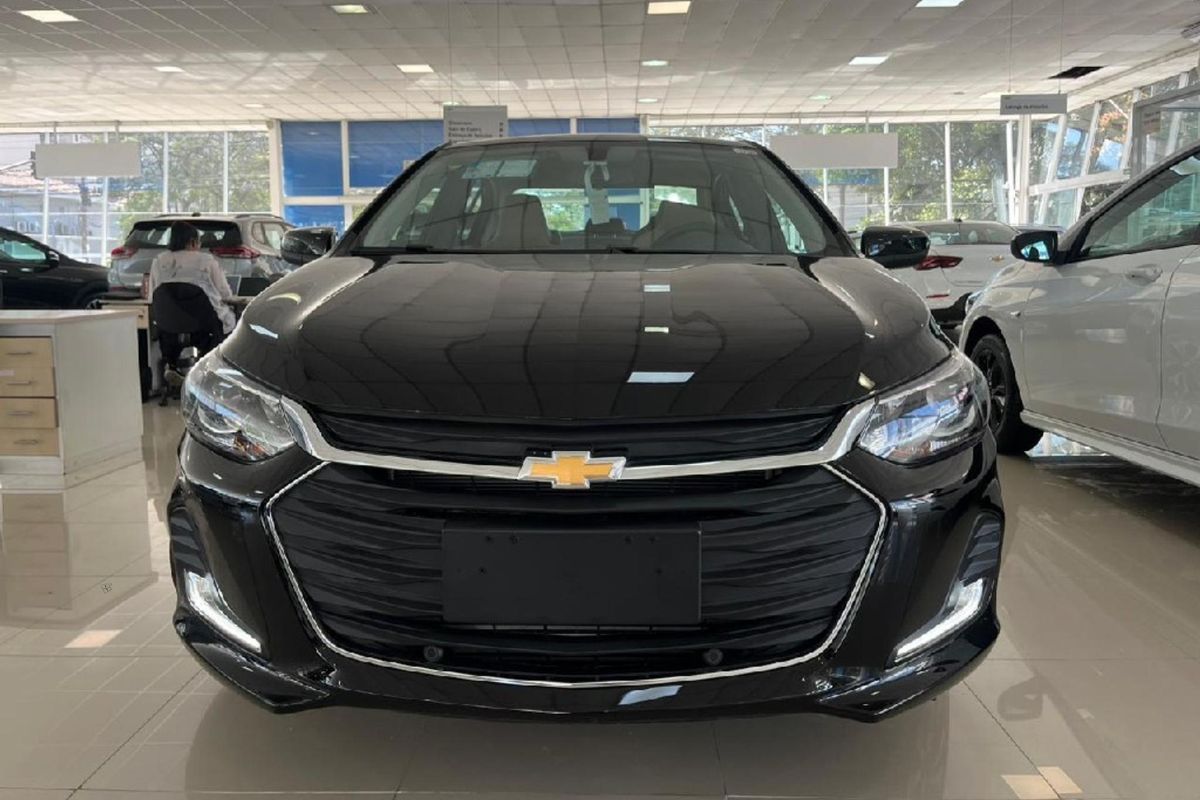

The Chevrolet Onix, which once was the absolute market leader in Brazil, fell to the 15th position in sales and reignited the controversy over the durability of the oil-bathed timing belt. Experts and consumers question: to what extent has the model’s image been affected?
For years, the Chevrolet Onix was the best-selling car in Brazil, topping the sales charts between 2015 and 2021. However, recent numbers show a worrying decline. In the first half of August 2025, the Onix registered only 2,083 units sold, according to data from Fenabrave released by Motor1, falling behind rivals like Polo, HB20, and even the Toyota Corolla Cross. The result raised alarm within General Motors and exposed the fragility of its strategy.
The Controversy Over the Oil-Bathed Belt
The main target of criticism against the Chevrolet Onix is the oil-bathed timing belt system, adopted since 2019. GM promised a durability of up to 240,000 km, but reports from mechanics and owners indicate failures already in the range of 70,000 to 80,000 km. The early wear can lead to high costs, including a complete engine replacement.
A report from AutoPapo revealed that Chevrolet downplays the issue, claiming that only 3% of the reports in their service channels are related to the defect. However, on social media, the topic dominates discussions about the car.
-
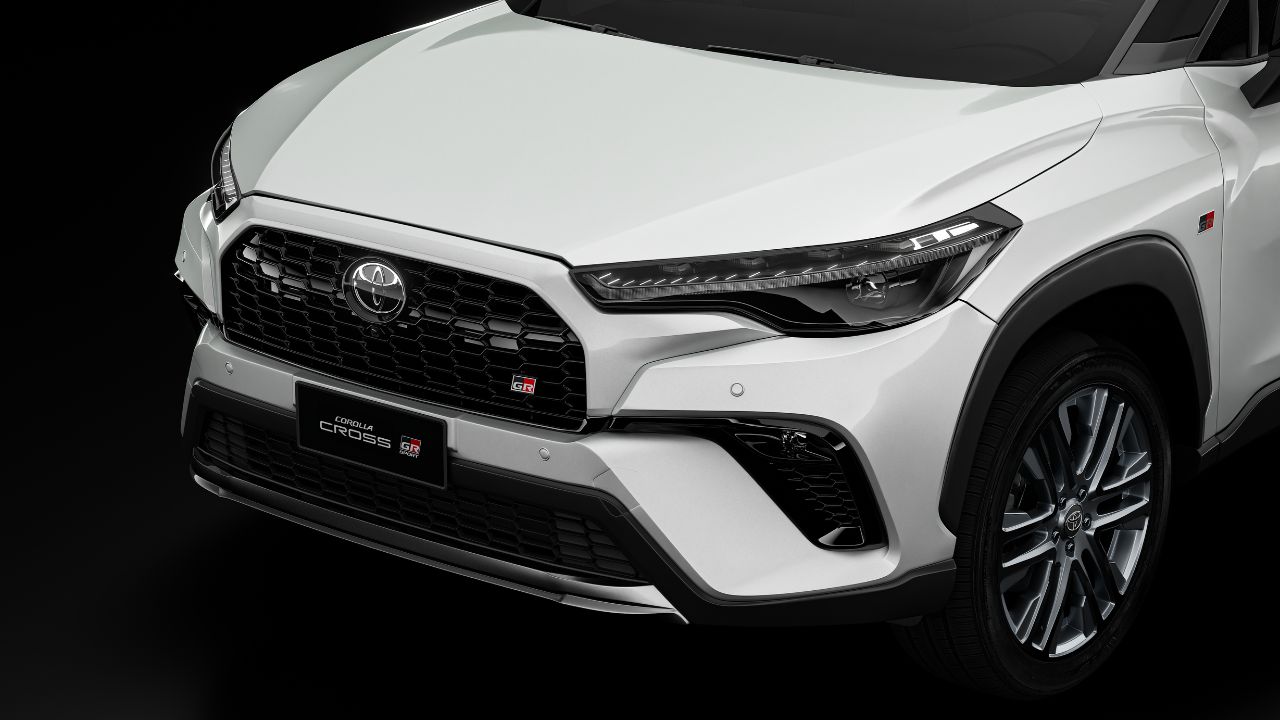
2027 Toyota Corolla Cross Unveiled: New Design, Enhanced Fuel Efficiency, Reduced Maintenance Costs, Advanced Technology, Connected Services, and Up to 10-Year Warranty

-
Fiat Cronos Precision 2018: Affordable Sedan with Spacious Trunk and Reliable Maintenance
-
Volkswagen to Cut Production by 1 Million Cars by 2030, Reducing Jobs and Platforms, Focusing on More Profitable Models

-
Toyota Launches First 100% Electric Car in Brazil: bZ4X with 343 HP, All-Wheel Drive, 361 km Range, Priced at $419,990 BRL, Limited to 99 Units



The Drop in Sales and Its Impact on Image
In May 2025, the Chevrolet Onix registered 6,157 units sold. In July, the number rose to 7,689, but the August results were surprisingly negative. The sharp decline coincided with intensified discussions about the reliability of the timing belt. Even with aggressive promotions and marketing campaigns, distrust seems to have weighed on the decision to buy.
The impact was even stronger in the case of the Onix Plus, the sedan version. While the hatchback fluctuated in recent months, the sedan has seen successive drops: from 3,924 units sold in May to just 3,108 in July. Analysts suggest that consumers are migrating to compact SUVs, which offer similar pricing and more market appeal.
GM Responds, But Races Against Time
For the 2026 model year, Chevrolet announced improvements to the oil-bathed timing belt, claiming enhanced durability. Still, the change raises questions: if there was no problem, why reinforce the part? This stance is seen by some consumers as an implicit admission that the system had failures.
Meanwhile, competitors are advancing. Polo, HB20, and Argo directly compete for the Chevrolet Onix’s audience, while SUVs like T-Cross, Tracker, and Corolla Cross attract customers who previously sought compact sedans.
Electric Cars Are Growing and Increasing Pressure
Another factor pressuring the Onix is the expansion of electrified vehicles. According to EV Inside, Brazil set a record in July 2025 with over 7,000 100% electric cars sold, mainly driven by Chinese models from BYD. This change in behavior reinforces that the fight for market space will become even more intense.
The Chevrolet Onix remains one of Brazil’s best-selling cars, but its image of reliability is tarnished. The controversy over the oil-bathed timing belt has become a turning point, and even if GM downplays the issue, public perception has already been impacted.
And you, do you think the Chevrolet Onix lost ground because of the oil-bathed timing belt, or is the drop in sales just a result of a more competitive market? Have you had any issues with this car? Share your opinion in the comments—your experience may help other consumers.