Portuguese
  Spanish



SUVs, Sedans, and Compacts Left the Brazilian Market in 2025 Due to New Environmental Regulations, Low Demand, and Automaker Strategies That Prioritize Electrification and Efficiency
The year 2025 marked one of the largest renewals of the Brazilian automotive industry. While new electric and hybrid models won over the public, several traditional vehicles ended their journey. The discontinuation of these cars happened for three main reasons: stricter environmental regulations, strategic changes from automakers, and low commercial performance.
The new cycle of Proconve L8, for example, made it unfeasible for some diesel engines and old projects to remain.
Additionally, global brands are prioritizing electric models and modern platforms, abandoning local versions. And, of course, when a car fails to sell enough, the numbers simply do not add up.
-
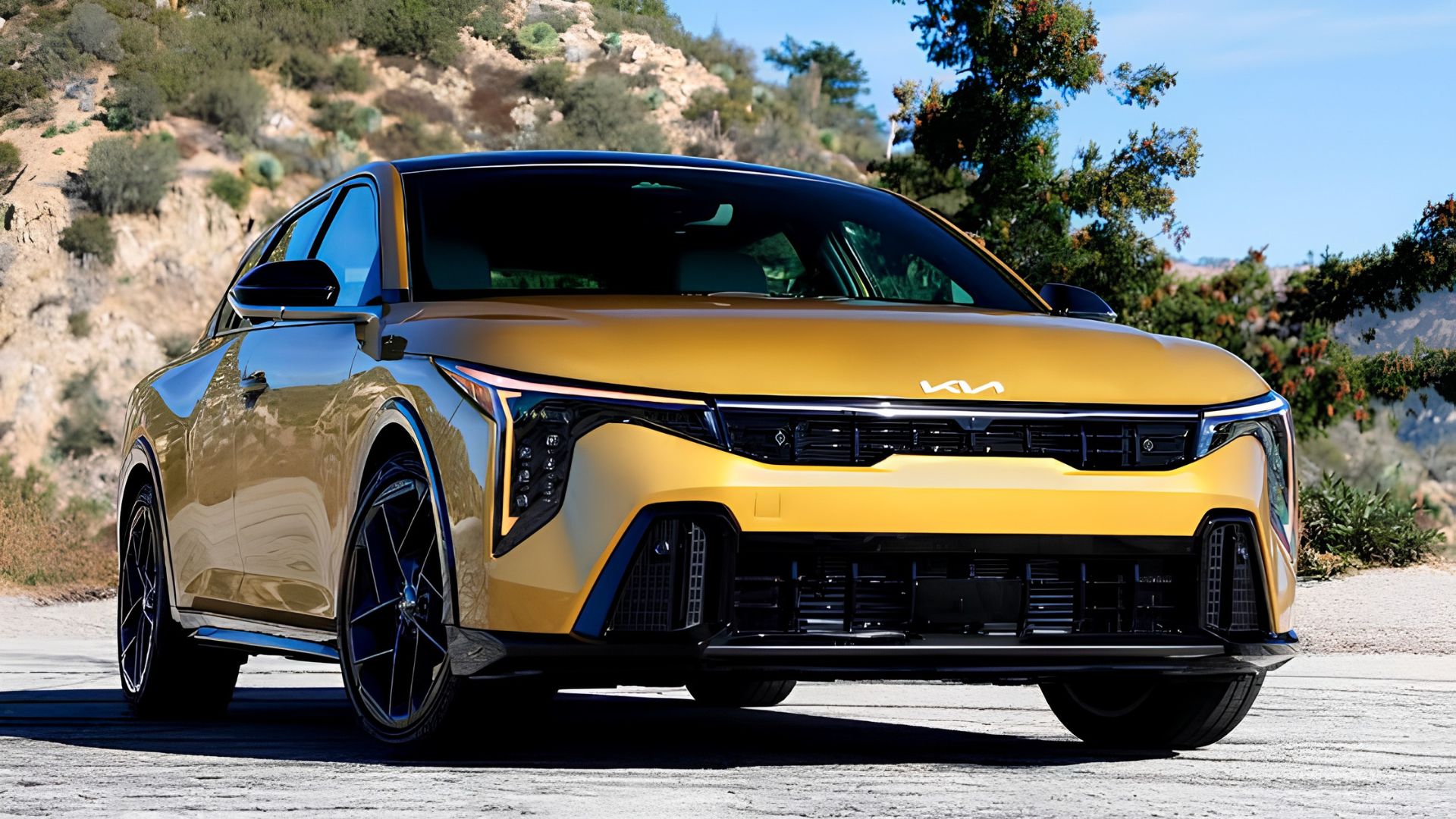
Kia K4 Launches in Portugal with 7-Year Warranty, Targets Volkswagen Golf with 1.0 Turbo Engine, Unavailable in Brazil

-
Uber Women Expands Across Brazil: Female Riders Can Now Choose Women Drivers, Schedule Rides, and Set Automatic Preferences

-
Brazil Plans to Launch Ethanol-Fueled Hybrid Cars in 2026 as an Alternative to Fully Electric Vehicles

-
Hyundai HB20S 2026 Surpasses Onix with Turbo Engine, Fuel Efficiency of 15.2 km/l, and Over 750 km Range, Leading Compact Sedan Sales in Brazil with 5,205 Units Sold.


Audi A4: The End of a Renowned Sedan
Audi quietly ended sales of the A4 in Brazil in the first half of 2025. The decision is part of the brand’s global strategy, which opted to concentrate investments in the A5.
The new model, with bolder lines and improved connectivity, takes the place left by the classic sedan.
Jaguar Retires Its Entire Combustion Line
Jaguar began a radical change in its strategy. The E-Pace, the brand’s smallest SUV, left the national market in 2025.
Following this, the F-Pace and I-Pace models also left the scene. The British manufacturer is preparing a 100% electric portfolio and intends to return to the country only with ultra-luxury cars starting in 2026.
Jeep Compass Diesel Says Goodbye After Years of Success
The Jeep Compass Diesel was, for a long time, the most desired SUV in the category. However, the new Proconve L8 and the end of production of the 2.0 turbo diesel engine marked its retirement.
The brand is now betting on hybrid and flex versions, keeping the Compass alive but focused on energy efficiency and reduced emissions.
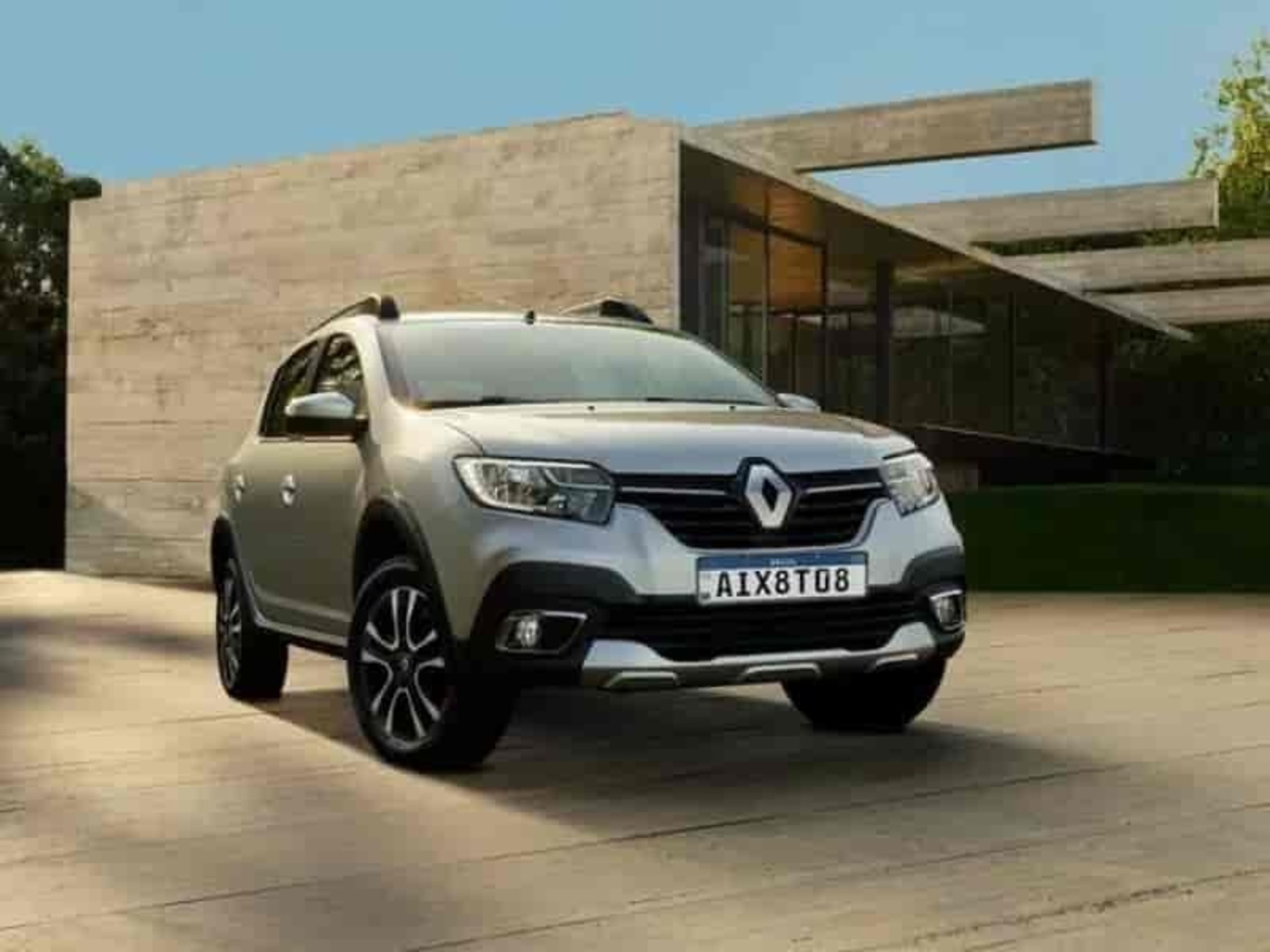
Renault Stepway: Goodbye to the Adventurous Hatch
The Renault Stepway ended its journey in 2025. The 1.6 versions had been discontinued the previous year, and the 1.0 versions went out of production this year.
The low demand, combined with the rise of more modern compact SUVs, sealed the fate of a model that was once a symbol of practicality and urban style.
Brands That Left Brazil Along With Their Cars
Some exits were even more drastic. The Chinese brand Seres, for example, completely ended its operations in the country.
Its electric models, the Seres 3 and Seres 5, were discontinued after disappointing results.
The Seres 3 had a 163-horsepower engine, while the Seres 5 offered nearly 600 combined horsepower, but neither gained traction with consumers.
With the brand’s closure, the official website was taken down, social media abandoned, and the CNPJ (business registration) expired. It’s the end of a frustrated attempt to compete in the premium electric segment.
Models Replaced by New Bets
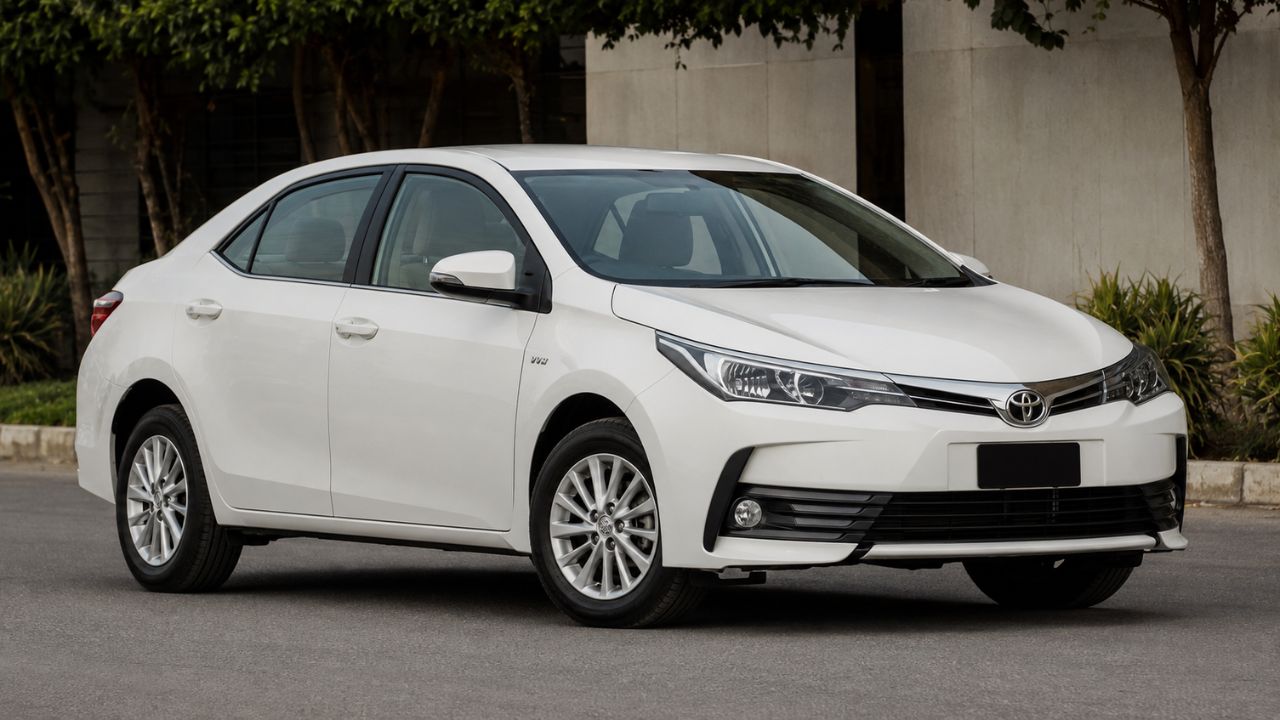
Toyota ended production of the Yaris and Yaris Sedan models, prioritizing a new hybrid SUV manufactured in Sorocaba.
The hatch is still built only for export. The change reflects the automaker’s focus on electrification and efficiency.
Meanwhile, Volkswagen removed the Polo GTS from the catalog. Launched in 2019, the sports model exits the scene, but the 1.4 turbo engine survives in the Nivus GTS, launched this year.
The decision aims to unify the sports positioning within the SUV line.
Cars With Uncertain Future and End of Stock
Some models are still holding on, but for little longer. The Kia Stonic is in its last batch, as it does not meet the new environmental regulations.
The Chinese electric models Neta Aya and Neta X are facing serious operational issues in Brazil and may exit the market.
The Subaru Forester is still for sale only as long as stock lasts, and the Suzuki Jimny Sierra, in its old version, is also expected to leave dealerships soon for not complying with Proconve L8.
What Changes for Those Who Have an Out of Production Car
Even with discontinuation, owners will not be left helpless. Brazilian legislation requires automakers to maintain technical assistance and parts for several years. However, over time, replenishment tends to become slower and more expensive.
Moreover, the resale value may change. Some models depreciate quickly after production ends, while others become rare and eventually appreciate in the collector’s market.
It all depends on the story, demand, and image that the vehicle has built.
Is It Worth Buying a Car That Is Out of Production?
It depends on what the driver is looking for. For those who prioritize cost-benefit and do not mind the absence of updates, it can be a good opportunity. Dealerships often offer significant discounts on these vehicles.
On the other hand, it is important to research the brand’s reputation, check maintenance availability, and the price of parts. A poorly planned purchase can turn into a headache in the long run.
Goodbyes That Leave Nostalgia
New launches dominate the headlines, but the cars that leave production also tell an important part of the automotive story.
Each model represents moments, memories, and changes in consumer tastes.
The end of a car is not just the closure of a production line but the end of a cycle that marked drivers and families.
Therefore, as the market turns to the electric and connected future, it is worth looking back and remembering the vehicles that helped build the present of the national industry.
After all, in the world of automobiles, goodbyes also have engines, souls, and history.
With information from Chaves na Mão.