Portuguese
  Spanish


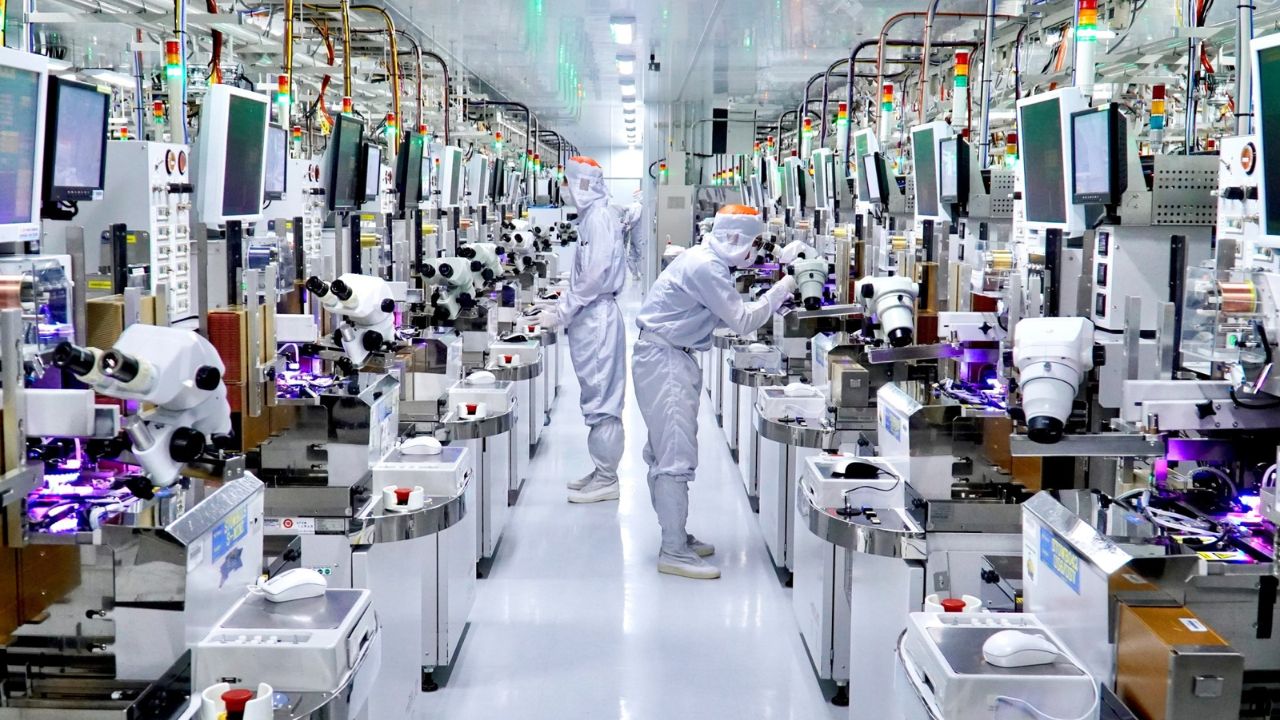

With 72 Million Inhabitants and Billions in Investments, Thailand Plans to Become a Semiconductor Giant, Attracting Global Companies and Leveraging the Trade War Between the US and China to Become the New Chip Hub in Asia.
One thing that nobody can deny is that the semiconductor industry has become the gold of the 21st century. With the boom of artificial intelligence, companies like NVIDIA have seen their profits explode and, of course, countries have started competing fiercely for this market. In the midst of this battle between the United States and China, an unlikely candidate emerges: Thailand.
With 72 million inhabitants and a bold strategy, the country wants to attract billions in investments and become a new semiconductor manufacturing hub. But does Thailand have what it takes to enter this dispute?
The Boom of Artificial Intelligence and the Role of Semiconductors
Artificial intelligence is no longer a thing of the future; it is already part of our daily lives. With the popularization of AI models and the need for more processing power, semiconductors have become the engine of this revolution. The result? An explosion in chip demand.
-
16-Year-Old from Brazil’s Sertão Wins Young Scientist Award for AI Predicting Rainfall with 94.5% Accuracy to Aid Farmers

-
Netherlands Reports First Child Euthanasia Case Since Rule Expansion for Minors

-
Brazilian Innovator Survives Homemade Submarine Dive in Paraty Despite Hatch Leak and False Oxygen Alarm
-
China Develops Custom 140-Ton Electric Mining Truck with 770 kWh Swappable Battery, Deploys 290 Units in Xinjiang’s Largest Zinc Mine



The year 2024 was a landmark for the sector, with unprecedented growth and record sales. Those who knew how to ride this wave thrived, like NVIDIA and other market giants.
How NVIDIA and Other Giants Are Profiting from AI
If there’s anyone who came out on top in this story, it was NVIDIA. With the high demand for graphics chips and processors for AI, the company saw its numbers soar. Other manufacturers like AMD and Intel also rode the wave, but the game is far from easy.
With the United States restricting chip exports to China and the market becoming increasingly competitive, new players have started to emerge. And this is where Thailand comes in.
Thailand Wants Its Place in the Semiconductor Industry
Thailand is not messing around. The government has already announced that in the next 90 days it will release a strategic plan to attract semiconductor companies. The country is organizing business trips to the United States and Japan, trying to convince major manufacturers to invest in Thai territory.
The Thailand Board of Investment (BOI) has also hired a specialized consultancy to create a detailed roadmap on how to transform the country into a chip hub. The goal? Attract €12.8 billion by 2029.
How the Trade War Between the US and China Became an Opportunity
The clash between the United States and China is far from over. American sanctions are making it difficult for the Chinese to purchase semiconductors, and this is changing the entire global supply chain. Many manufacturers are moving their operations to other countries, and Thailand wants to be the biggest beneficiary of this.
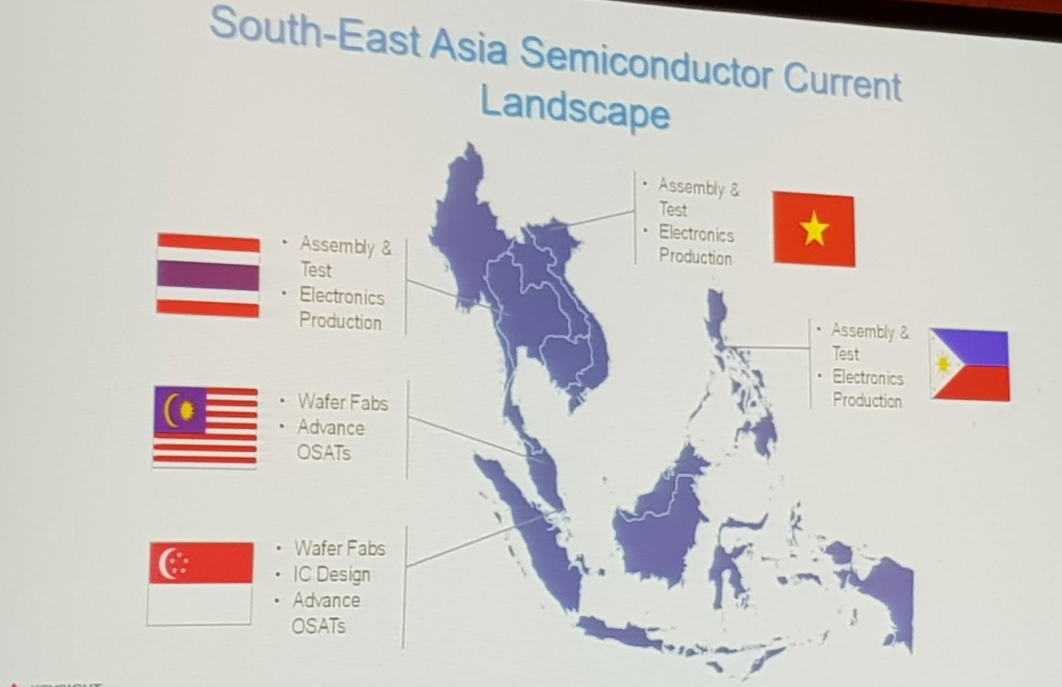
Other Southeast Asian economies, like Vietnam and Malaysia, have already felt the positive effects of this trade war. Now, Thailand wants to get in on the action and secure its share.
Thailand’s Focus: Power Electronics and Chips for Electric Vehicles
Thailand already has a strong track record in manufacturing printed circuit boards, essential for cell phones, computers, and electric cars. Since 2023, the production of this component has grown considerably, and the country wants to leverage this base to advance in semiconductor manufacturing.
Companies like Sony and Toshiba are already established there and are expected to increase their investments in the coming years.
Chips for Electric Vehicles and Data Centers: The New Bet
Another key point of the Thai strategy is the production of chips for electric vehicles and data centers. With the electrification of transport accelerating and the need to store and process large volumes of data, the demand for semiconductors specific to these segments is only increasing.
Thailand already has a tradition in the automotive industry and wants to use this expertise to attract semiconductor companies specializing in this niche.