






 Portuguese
  Spanish
  3 min of reading


Votorantim Energia and Canadian Company CPPIB Explore Opportunities in Solar Power Generation and Do Not Rule Out Investing in Transmission Assets
Votorantim Energia, one of the leading industrial investment groups in the Brazilian electric sector, in a joint venture with the Canadian company CPPIB, aims to expand in the national electric sector, evaluating opportunities in solar generation and does not rule out acquisitions of transmission assets.
See Other News:
- Petrobras Guarantees Employment for Oil Workers Until August 2022
- EQS Engenharia Calls for Technicians, Mechanics, Assistants, and More Professionals for 87 Job Openings in Construction on This Day 15
- SBM Offshore is Chosen by Petrobras for Chartering the Largest FPSO in Brazil to be Installed in the Búzios Field
Together, the companies jointly control Cesp, which has hydropower plants in São Paulo and also operates wind farms in the states of Piauí and Pernambuco, with a capacity of about 560 MW and is in the initial phase of expansion, expected to reach around 1 GW, which will be operational in 2022.
The president of VTRM Energia, Fabio Zanfelice, said that “Now the next step, within this portfolio, we desire it to be solar.”
-
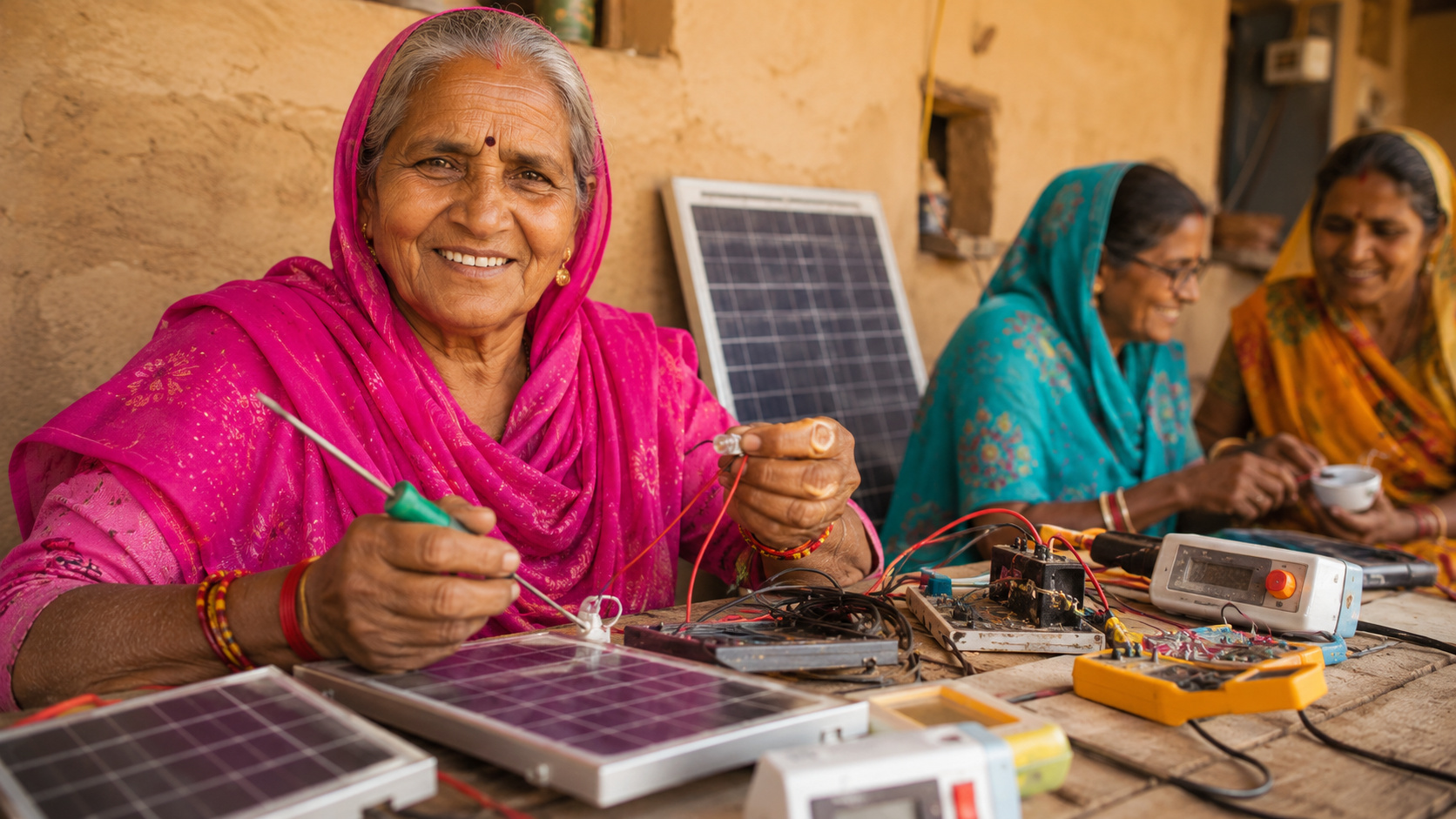
Illiterate or semi-literate grandmothers were trained to repair solar systems, open rural workshops, and light up homes that still depended on kerosene.

-
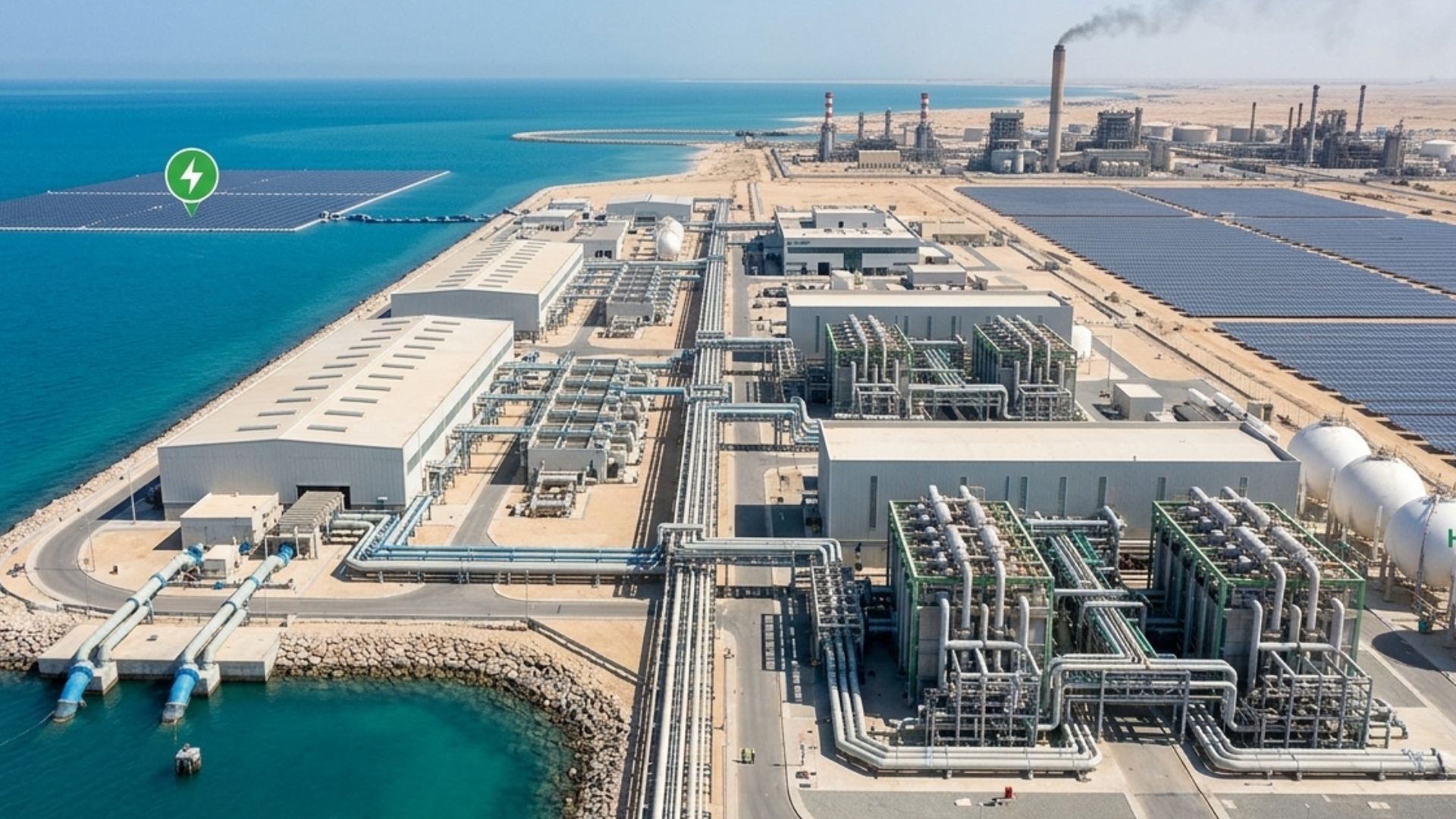
The world has bet on green hydrogen as the fuel of the future, but now faces the side effect: producing 1 kilogram requires about 9 liters of ultrapure water, and the largest projects on the planet are precisely in the driest regions of the Earth, where water is already scarce for people.

-
Africa has about 500,000 cell towers and most still burn diesel to operate, while companies rush to cover antennas with solar energy and avoid signal blackouts.
-
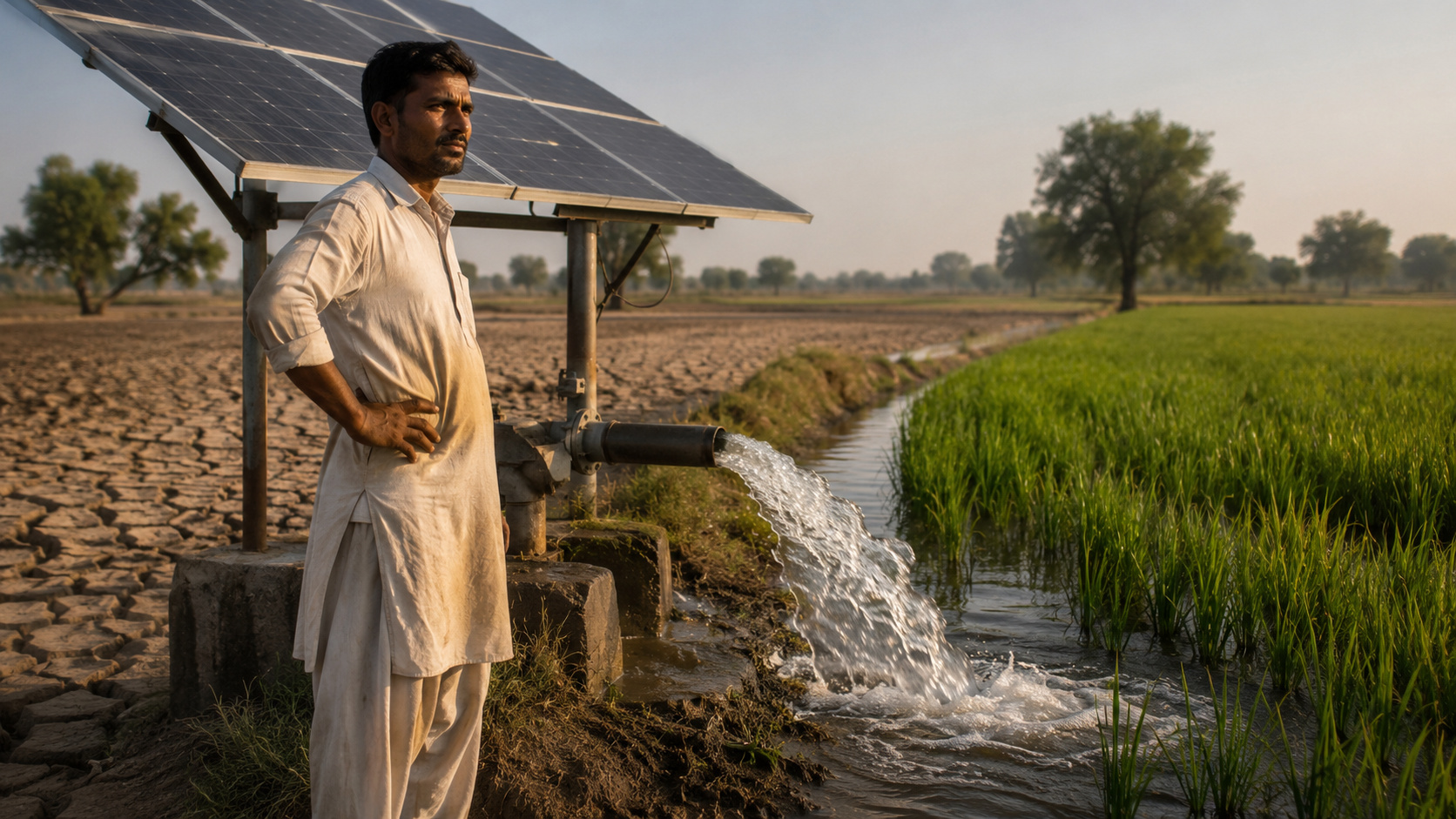
Farmers swapped diesel for solar panels in Pakistan, powered irrigation pumps almost cost-free, expanded rice fields, and now groundwater has become a red alert in the countryside.

Although the risks associated with the hydric source that affect the production of the Cesp plants may be partially offset by the company’s wind energy projects, the solar energy projects will complement the profile of these renewable source plants of the group, which will generate more energy at night.
Zanfelice also explained that “Does that mean we will only do solar, which is solar and nothing else? No, we will continue looking at assets that make sense for our portfolio, but always with the perspective of assets that as I add, I reduce the consolidated risk.” The president of VTRM added that, in line with this thinking, it also makes sense for the joint venture to expand its business to the transmission line, as the revenue from these assets is seen as a secure and stable cash flow.
“Although the return is usually lower because the risk is lower, it brings a stabilization that, in a portfolio of renewables and hydropower, is a good combination. So transmission is not ruled out, we have already looked at transmission assets in the past,” said Fabio.
Votorantim and CPPIB have been studying the installation of photovoltaic panels in their wind farm area, where costs can be reduced with the implementation of a transmission structure.
The company estimates that its operational and under-construction wind farms will be sufficient to implement solar projects of 300 MW to 330 MW, which will make the assets of a “hybrid” park that combines solar light and wind energy a reality.
Zanfelice said that these hybrid plants are subject to regulatory approval from the National Electric Energy Agency – Aneel, where current legislation does not allow plants to share the same transmission facilities.
“We initially turn to solar seeking hybrid projects because it optimizes both operation and maintenance as well as access to transmission… but we are evaluating, we always also evaluate isolated solar farms, we do not stop evaluating,” explained the CEO.





Be the first to react!