






 Portuguese
  Spanish


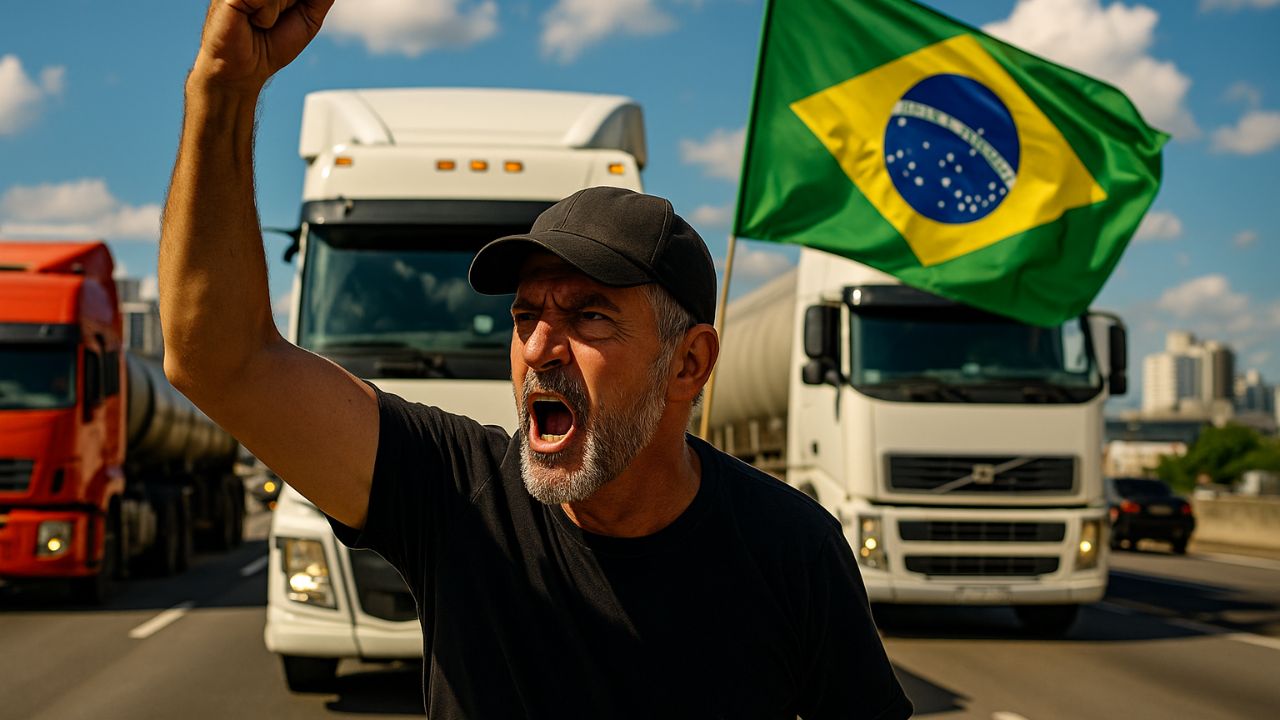


National Call of the Category, Led by the President of Sindicam, Presents Agenda for Freezing Debts, Amnesty for Fines and Pressure Across the Country in New Strike of Truck Drivers
A new strike of truck drivers has been announced for December 4 by the president of Sindicam, who presents himself as one of the leaders of the 2018 movement. In a video call to action, he talks about national mobilization of the category and claims that the date could “go down in history” as the day Brazil stopped.
In the recording, the union leader asks for support from the population, advises families to stock up on food, and reinforces the urgency of the mobilization. According to him, the category suffers from debts, lack of appreciation, and difficult conditions on the roads, which would justify a new round of pressure on the authorities.
National Call and Organization by States
In the video, the president of Sindicam announces that the strike of truck drivers is set for December 4, with a national character. He states that the category is already “organizing itself” and asks drivers to do the same in their cities and states.
-
Brazilian Startup Turns Coffee Grounds into Plant-Based Leather, Cutting Water Use by Over 50 Times for High-Impact Sustainable Fashion

-
Eco Invest Auction Aims to Unlock $10 Billion in Investments, Focusing on Green Fertilizers, Critical Minerals, Batteries, and AI for Clean Industry in Brazil

-
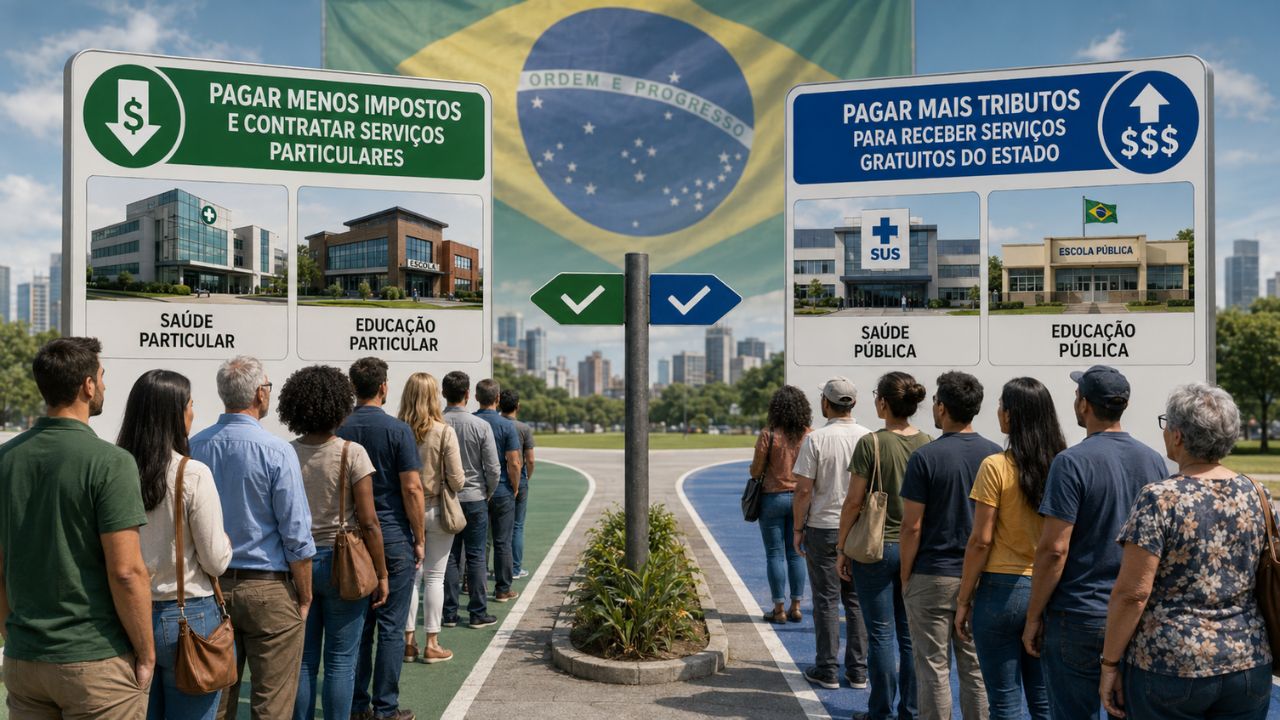
Half of Brazilians Prefer Lower Taxes with Private Health and Education, While 44% Opt for Higher Taxes for State-Provided Services, Datafolha Survey Reveals

-
Brazil’s Most Expensive Toll Rises to R$ 40.60 on Route from São Paulo to the Coast, Nearly Matching Bus Fare to Santos



The leader emphasizes that this is a strike of the category across the country, expecting a direct impact on supply and the daily life of Brazilians. The central message is that truck drivers want to turn the date into a landmark of mobilization, with strong public visibility.
Throughout the call, the unionist repeats the appeal for drivers to “not stop fighting” and maintain unity. He indicates that the mobilization should occur both on the roads and at the category’s meeting points, always focusing on pressure on the public authorities.
Debts, Refinancing, and Amnesty Make Up the Agenda


Among the main demands presented, the president of Sindicam highlights the freezing of truck drivers’ debts for 12 months. The proposal includes, according to him, a refinancing of these debts with a grace period of up to 120 months, in an attempt to ease the financial burden on self-employed professionals and transporters who accumulate financial obligations.
Another central demand is the amnesty for lawsuits and fines related to past mobilizations. The leader mentions truck drivers who are legally accountable for participation in previous movements and says that many fear new penalties in possible blockages or strikes.
In this context, the union leader affirms that the agenda seeks to create minimum conditions for the category to continue operating. The narrative presented is that truck drivers fuel the country, but do not feel appreciated, especially in light of the weight of debts and infractions that, in the view of the union, render the work of some professionals unfeasible.
Appeal for Popular Support and Impact on the Population
In addition to speaking directly to truck drivers, the president of Sindicam addresses the society. He asks that the Brazilian population supports the strike, emphasizing that the movement would be “an important moment for the Republic.”
In the video, the unionist suggests that families stock up on food and prepare for the effects of the truck drivers’ strike, reinforcing the possibility of impact on supply. The guidance appears as a precaution, in case the mobilization effectively manages to “stop Brazil,” as he claims.
The tone of the message is that part of the population is demanding more intense mobilization and pressure. The leader associates the movement of truck drivers with a feeling of widespread dissatisfaction, which would include both economic and political issues.
Reference to Previous Strikes and Climate of Dissatisfaction
During the speech, the president of Sindicam recalls past protests that involved truck drivers and demonstrations against tariff and fuel increases. He mentions previous movements that, in his evaluation, played a relevant role in political changes in the country.
The leader also cites recent cases that, in his view, generate outrage in the population, such as judicial decisions involving figures from the financial system and the political scenario. According to him, these situations reinforce the perception of injustice and fuel support for a new wave of national mobilization.
Still in the recording, the communicator accompanying the president of the union’s speech states that he intends to continue monitoring the developments of the strike from Goiás and other regions of the country, with constant updates on his channel. The expectation, according to him, is that December 4 becomes a test of strength for the category on the roads and in public opinion.
Truck Drivers, Government, and Next Steps
The call for the strike of truck drivers once again places the category at the center of the debate about social pressure and negotiations with the public authorities. On one side, the union presents an agenda focused on debts, refinancing, and amnesty; on the other, authorities and civil society watch closely the possible impacts of the mobilization on the economy and the daily lives of the population.
The coming days will be decisive in measuring the real level of adherence to the strike, the reach of regional organization, and the willingness for dialogue between representatives of the truck drivers and the government. The way this agenda is handled may influence both the outcome of the mobilization and the public’s perception of the movement.
In your opinion, is the truck drivers’ strike set for December 4 the most effective way for the category to achieve its demands, or should negotiation take place differently?







Outro circo armado pela mesma turminha que continua usando a força do nome da categoria para tentar causar caos e confusão, uma clara demonstração da ausência de empatia e coletividade. E, mais uma vez, os veículos midiáticos não estão esclarecendo que caminhoneiros e trabalhadores do transporte rodoviário não pertencem ao mesmo quadrado!
Porquê demoraram tanto? E sobre Anistia – não deveria ser apenas para vcs e sim, também, para as vítimas do 8/1.
Que **** de anistia fodasse
Sem diálogo não tem negociação, só com um bate papo reto podem chegar a um denominador comum, eu sou contra a mobilização, mais a favor das reivindicações, resta dar um tempo para que ocorra esse acerto, tenham como exemplo as taxacoes dos produtos Brasileiros por tramp, no tempo certo e com boas relações chegaram em uma solução.