Portuguese
  Spanish


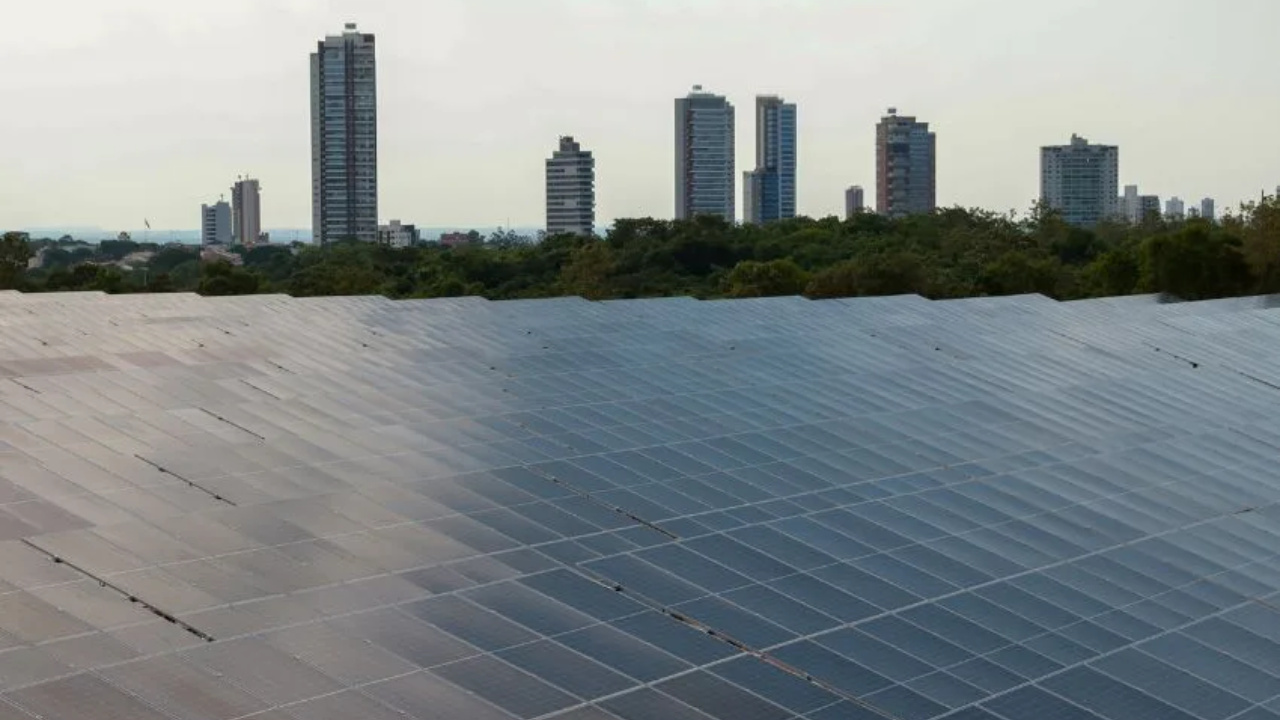

Solar Energy Park in Palmas Supplies More Than 150 Public Agencies, Reduces Expenses by About R$ 400 Thousand per Month and Strengthens Environmental Policies of the Capital.
The expansion of solar energy gained new prominence in Palmas with the operation of the Photovoltaic Solar Power Plant Park, located in the southern region of the capital. The initiative has solidified as a sustainable and low-cost strategy to supply more than 150 buildings and municipal agencies, enabling the city hall to reduce expenses and strengthen its environmental policy.
With panels distributed in different areas of the city, the system already ensures savings of over R$ 400 thousand per month for the public treasury.
Strategically Distributed Plants Ensure Continuous Production and Broad Supply
The park consists of five plants installed at strategic points. The main structure operates at the Arnaud Rodrigues Park Convention and Events Center. In this space, the panels were installed on the ground, on the roof, and also over the parking lot, efficiently utilizing urban space.
-
Solar energy can increase property value by up to 10% and become a selling point.

-
Solar and wind energy surpass natural gas for the first time in the world and accelerate energy revolution

-
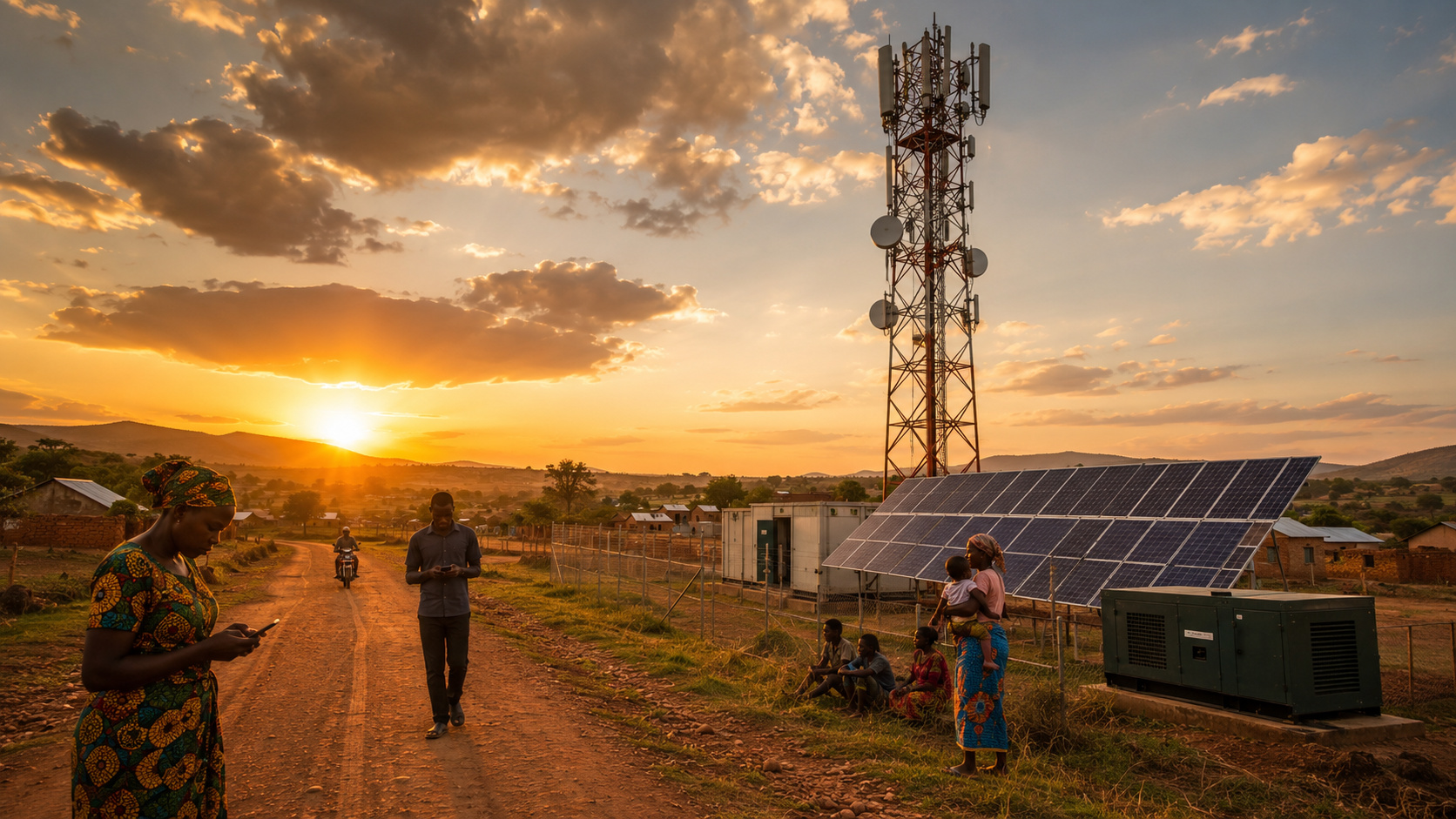
Africa has about 500,000 cell towers and most still burn diesel to operate, while companies rush to cover antennas with solar energy and avoid signal blackouts.
-
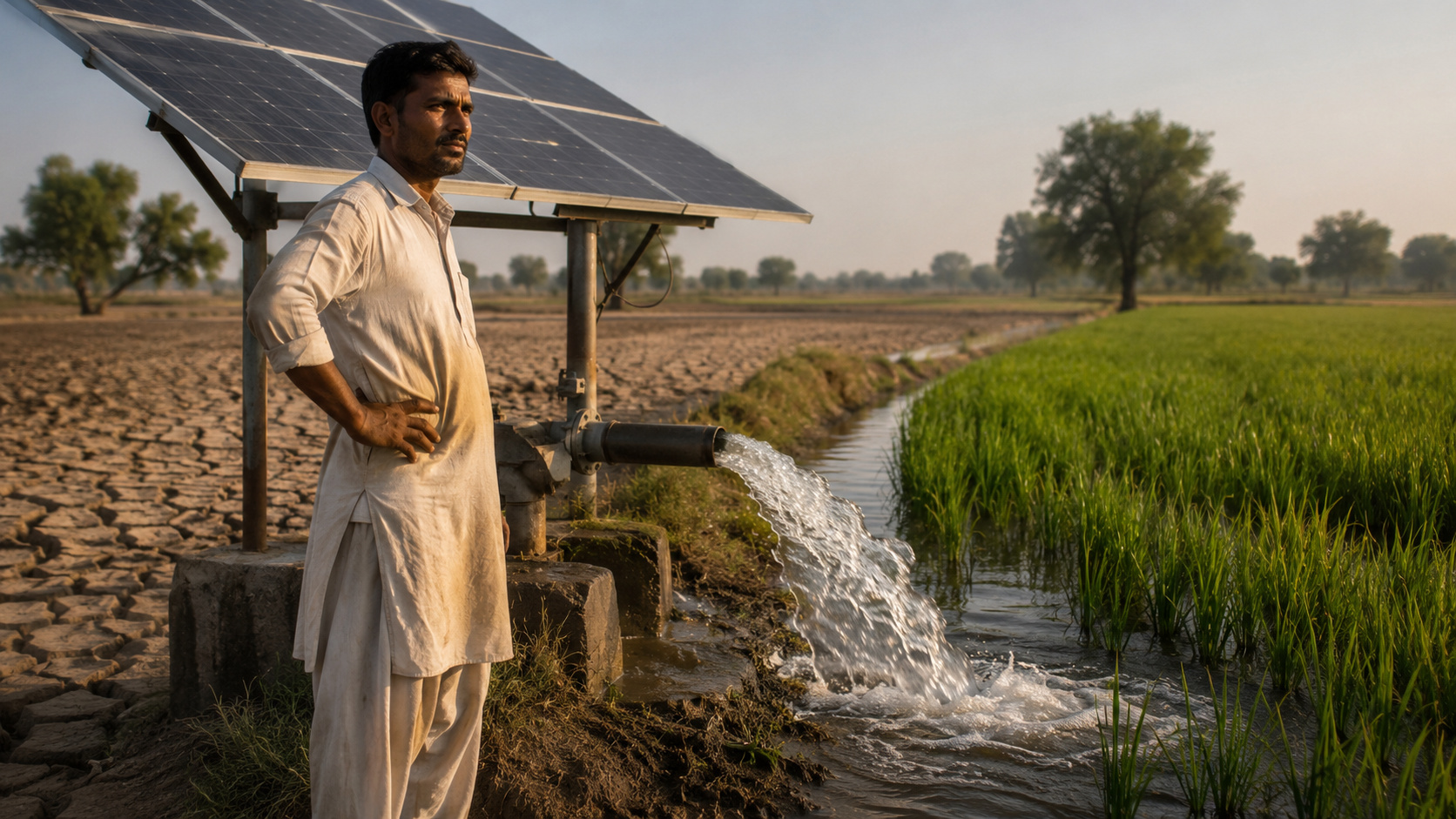
Farmers swapped diesel for solar panels in Pakistan, powered irrigation pumps almost cost-free, expanded rice fields, and now groundwater has become a red alert in the countryside.


In addition, the covered markets of blocks 307 North, 304 South, and Aureny I received solar panels adapted to the photovoltaic system, increasing the overall production capacity. According to the city hall, the total set consists of 8,110 panels and 49 inverters, responsible for generating up to 500 thousand kilowatt-hours per month.
This energy powers secretariats, health units, schools, and other municipal sectors, ensuring continuous operation and significant reduction in electricity costs.
Growing Savings Reinforce Financial and Environmental Impact of Solar Energy
The estimated monthly savings of R$ 444,419.89 is expected to increase as new agencies are connected to the system. For the municipal administration, the park represents a milestone in modernizing management and adopting policies aligned with environmental preservation practices.
The president of the Municipal Environmental Foundation (FMA), Isac Braz da Cunha, highlighted the direct benefits of the initiative. According to her, “with the Solar Park, we reduce public spending on energy, strengthen the local economy, and expand the generation of green jobs. The clean energy produced here represents savings for public finances and a commitment to the environment.”
The adoption of solar energy, in addition to reducing expenses, contributes to lowering greenhouse gas emissions, reinforcing the capital’s sustainability strategy. The city hall also claims to be studying new areas to expand the park, with the goal of enhancing the production of clean energy and keeping up with the growing municipal demand.
With the full operation of the plants, Palmas solidifies a management model that combines technological innovation, savings, and environmental responsibility. The expansion of the park and the planning to integrate new buildings into the system demonstrate that the city bets on solar energy as a viable path to modernize public services and reduce environmental impacts, in addition to serving as a reference for other capitals seeking sustainable solutions.