





 Portuguese
  English
  Spanish
 5 min of reading
  0 comments


Ten Years After The Sinking Of The Ship Haidar, The Submerged Hull In Barcarena Exposes Impunity, Pollution, And The Cruelty Of Live Transport
Exactly ten years ago, the port of Vila do Conde, in Barcarena (PA), was the scene of one of the largest environmental tragedies in the country. The Lebanese ship Haidar, adapted to transport live animals, sank on October 6, 2015, shortly after loading 4,920 cattle bound for Venezuela. The accident left a trail of destruction, pollution, and impunity that, a decade later, remains unsolved.
An Announced Shipwreck
The Haidar had been an old container ship converted into a live cargo vessel. Shortly after loading, it began to tilt while still docked at the pier.
The crew, composed of 28 people, was rescued without injuries, but the animals were not so lucky.
-
Santa Catarina leads national production in 12 agribusiness chains and dominates more than 50 segments ranging from apples to oysters and from pork to knit fabrics. The state consolidates its position among the five largest producers in Brazil in almost everything it produces.

-
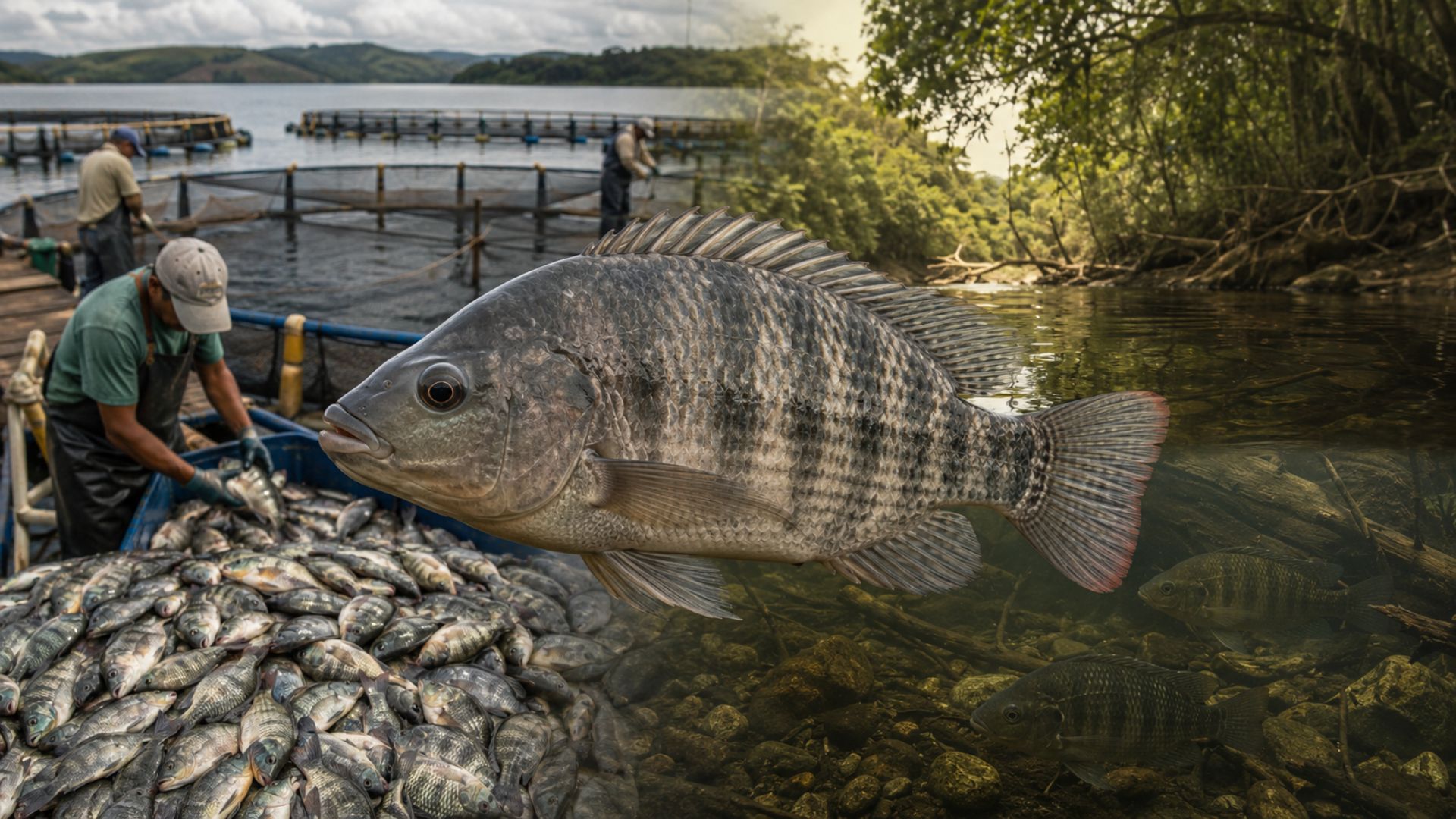
The most consumed fish in Brazil may be added to the official list of invasive exotic species this Wednesday, and Conabio’s proposal regarding tilapia divides the government, alarms fish farming, and reignites a debate that the Ministry of the Environment insists does not mean a ban.
-
After BYD and others, China invades Brazil with giant tractors of up to 700 hp, 50% fuel savings, and a billion-dollar factory planned after Zoomlion projects R$ 500 million in sales in Brazilian agriculture.
-
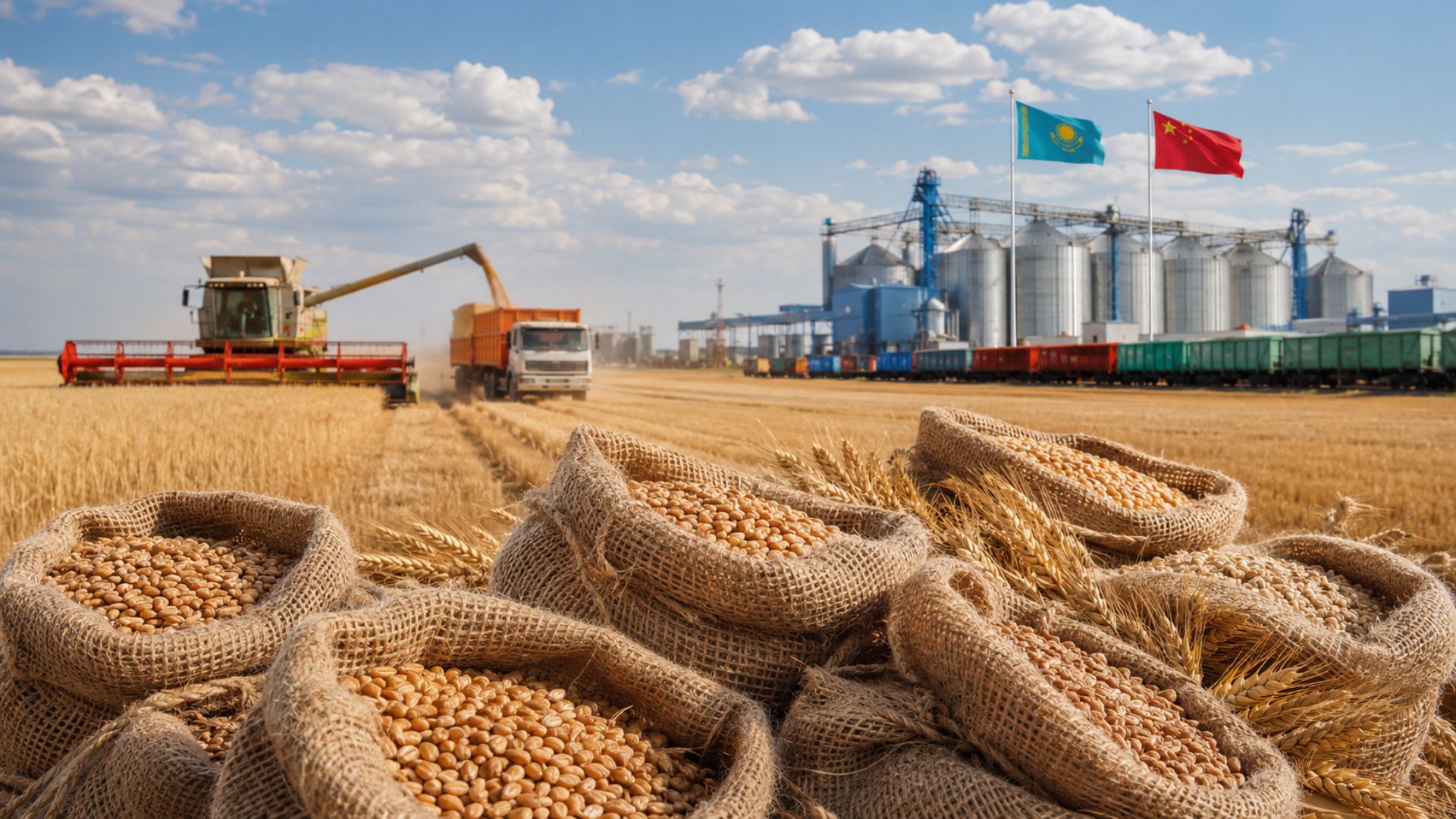
China buys 1.1 million tons of beef in four months, an increase of 25.75%, and Brazil leads with 612.87 thousand tons




Confined in makeshift holds, the cattle panicked when water began to invade the ship.
The collective movement of the animals accelerated the imbalance of the vessel, which ultimately rolled completely and sank in less than two hours.
Barbarism In The Waters Of Pará
The tragedy did not end at the moment of the sinking. Few animals managed to escape and, even so, they were chased and killed on the banks of the Pará River.
Hundreds of locals rushed to the port to take advantage of the meat, in a scene described by witnesses as chaotic and cruel.
Animals were slaughtered in the water or dragged ashore to be butchered. The episode, besides shocking the country, laid bare the absence of control by authorities in the face of an environmental and humanitarian disaster.
A Contaminated River And A Paralyzed Port
With the sinking, about 700 tons of diesel oil spilled into the river, mingling with the decomposing bodies of the cattle.
The result was a nightmarish scene: dark waters, a foul smell, and tons of carcasses floating all the way to the metropolitan region of Belém, over 50 kilometers away.
The contamination forced fishermen from various riverside communities to halt their activities for months.
Even after investigations and legal agreements, the compensations did not cover the damages, nor was the main problem solved: the hull of the Haidar remains submerged to this day.
The Ghost Ship Of Barcarena
The hull of the Haidar remains visible, toppled next to one of the piers of the Barcarena port. It has become a morbid symbol of negligence towards the environment and animal life.
The presence of the structure prevents part of the port from being utilized, causing ongoing economic losses.
An attempt to remove it was contracted by the Federal Government, but the responsible company received part of the payment and abandoned the service.
Since then, federal, state, and port authorities have taken turns pushing responsibility onto one another, with no practical progress.
Protests And Memories Ten Years Later
The mark of ten years has reignited the debate. Last weekend, protests occurred in São Paulo, Belém, and Barcarena.
On Avenida Paulista, activists held a protest against the export of live animals.
In Pará, the topic was discussed at the seminar “10 Years Later: The Sinking Of The Ship Haidar”, accompanied by the screening of the documentary “Elias: The Cow That Learned to Swim”, produced by the NGO Mercy For Animals.
The film recounts the story of one of the few cows that survived the disaster and denounces the inhumane conditions of maritime cattle transport.
The Cruelty Of Live Animal Transport
The protests were not only focused on the memory of the tragedy but also on criticizing the live animal export system.
The method, common in Brazil, subjects animals to weeks of confinement in overcrowded ships, under intense heat, lack of ventilation, and accumulation of feces and urine.
The ships are old and poorly adapted, which increases the risk of accidents. The Haidar was not an isolated case. In 2009, a ship with 17,000 cattle sank in Lebanon, killing the entire crew as well.
In 2019, another accident in Romania killed 14,000 sheep, and in 2020, the Gulf Livestock sank in the South China Sea, taking with it 6,000 cattle and 40 crew members.
Bad Smells, Deaths, And International Protests
The problem is not limited to sinkings. In February 2024, a ship that had departed from Brazil bound for Iraq — also carrying cattle from the same company involved in the Barcarena case — was expelled from the port of Cape Town, South Africa.
The unbearable smell of the mixture of feces and urine took over the region and provoked protests from residents.
Cases like this reinforce the criticisms from international organizations and push governments to adopt stricter measures.
Paths To End Live Transport
In New Zealand, maritime transport of live animals has already been completely banned. In Brazil, there are proposals under discussion in Congress with the same goal, though they face resistance due to the economic weight of the agro-export sector.
Proponents of the ban argue that the country could export processed meat, eliminating animal suffering and reducing environmental risks. The issue comes back to the agenda just before the COP30, which will be held in Pará.
A Symbol Of Neglect On The Eve Of COP30
The proximity of the global climate conference makes the episode even more embarrassing for Brazil.
The rusted hull of the Ship Of Cattle, still at the bottom of the Barcarena port, remains an uncomfortable reminder of the unresolved disaster.
The sinking, contamination, and impunity reveal the contrast between the country’s environmental discourse and the reality experienced in the Amazonian Pará.
A symbol of all that is attempted to be hidden beneath the dark waters of the Pará River — and that, ten years later, still has not sunk into the memory of those who witnessed the horror unfold.
With information from UOL.





-

1 person reacted to this.