Portuguese
  Spanish


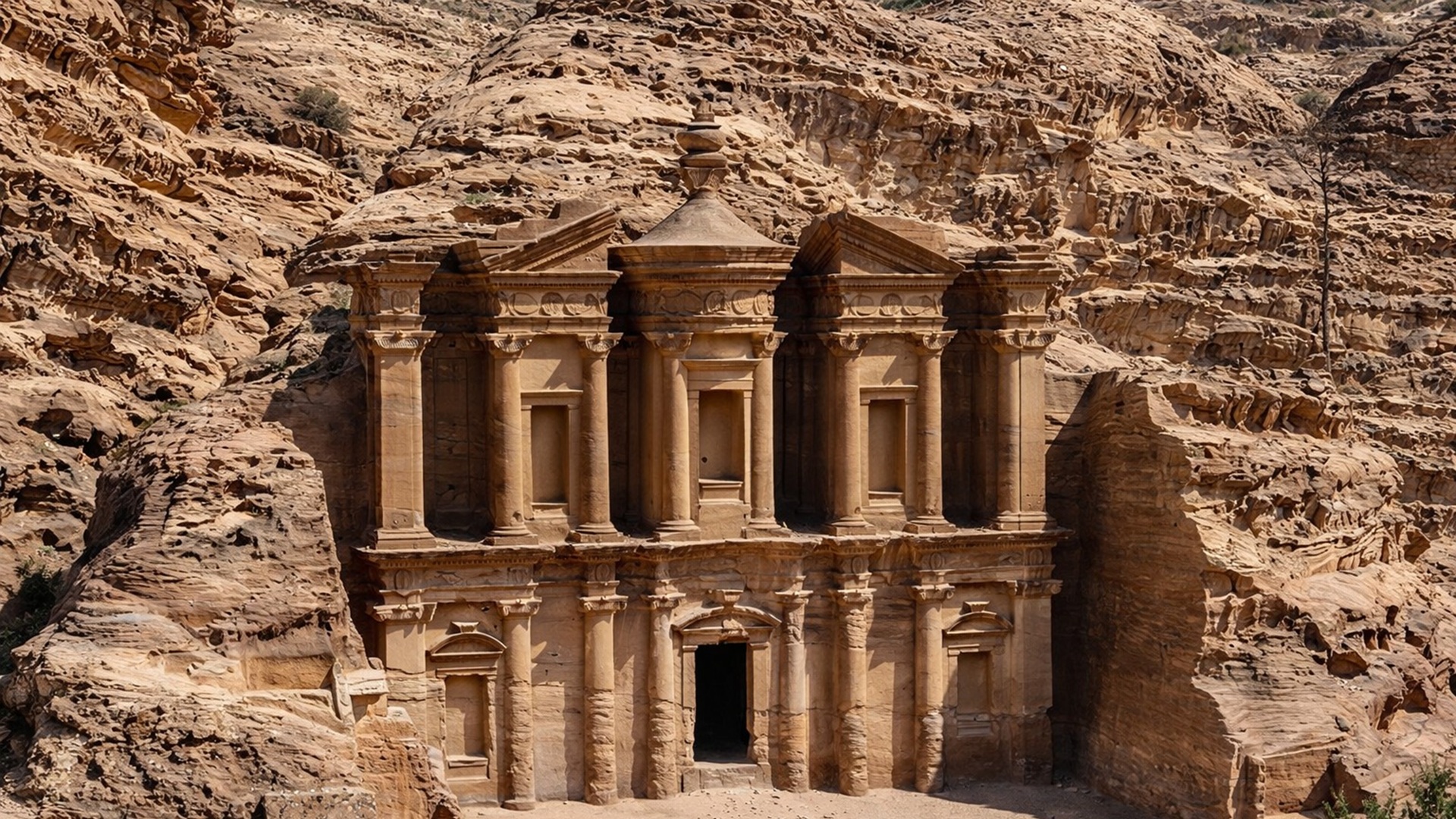


New Archaeological Study Details The Water System Of Petra By Identifying A 116-Meter Lead Pipe In The Aqueduct Of ‘Ain Barq, Revealing Two Main Channels, Retention Structures, Reservoirs And Technical Solutions That Explain How The City Maintained Regular Water Supply In An Arid Environment.
Petra has returned to the center of archaeological research after a recent study revealed new data about its water system, including the identification of a 116-meter lead pipe, expanding the understanding of how the city ensured a stable water supply in an arid environment.
A recent survey of the aqueduct of ‘Ain Barq, in the ancient city of Petra, revealed that its water management system was more complex than previously thought. The research identified new hydraulic structures that help explain the sustained urban growth of the city.
Recent Discoveries In The Aqueduct Of Petra
The study, published in the journal Levant, reports the discovery of nine pipes in the aqueduct of Petra, including a rare lead pipe measuring 116 meters in length. The presence of this tube alters previous interpretations of local water engineering.
-
Oceanographer Turns Abandoned Fishing Nets from Brazilian Waters into Bags, Creating Jobs and Earning Over $7,000 Monthly

-
Australia deploys poisoned sausages and uses traps, shooting, and fences in a battle against invasive cats that kill over 1.5 billion native animals annually, threatening more than 200 species.

-
NASA Rover Captures “Tired Face” on Mars, Highlighting Human Brain’s Tendency to See Faces in Rock Formations

-
Ancient Stone City in the Desert, Once Home to 30,000, Puzzles Scientists with Nabateans’ Water Mastery 2,000 Years Ago




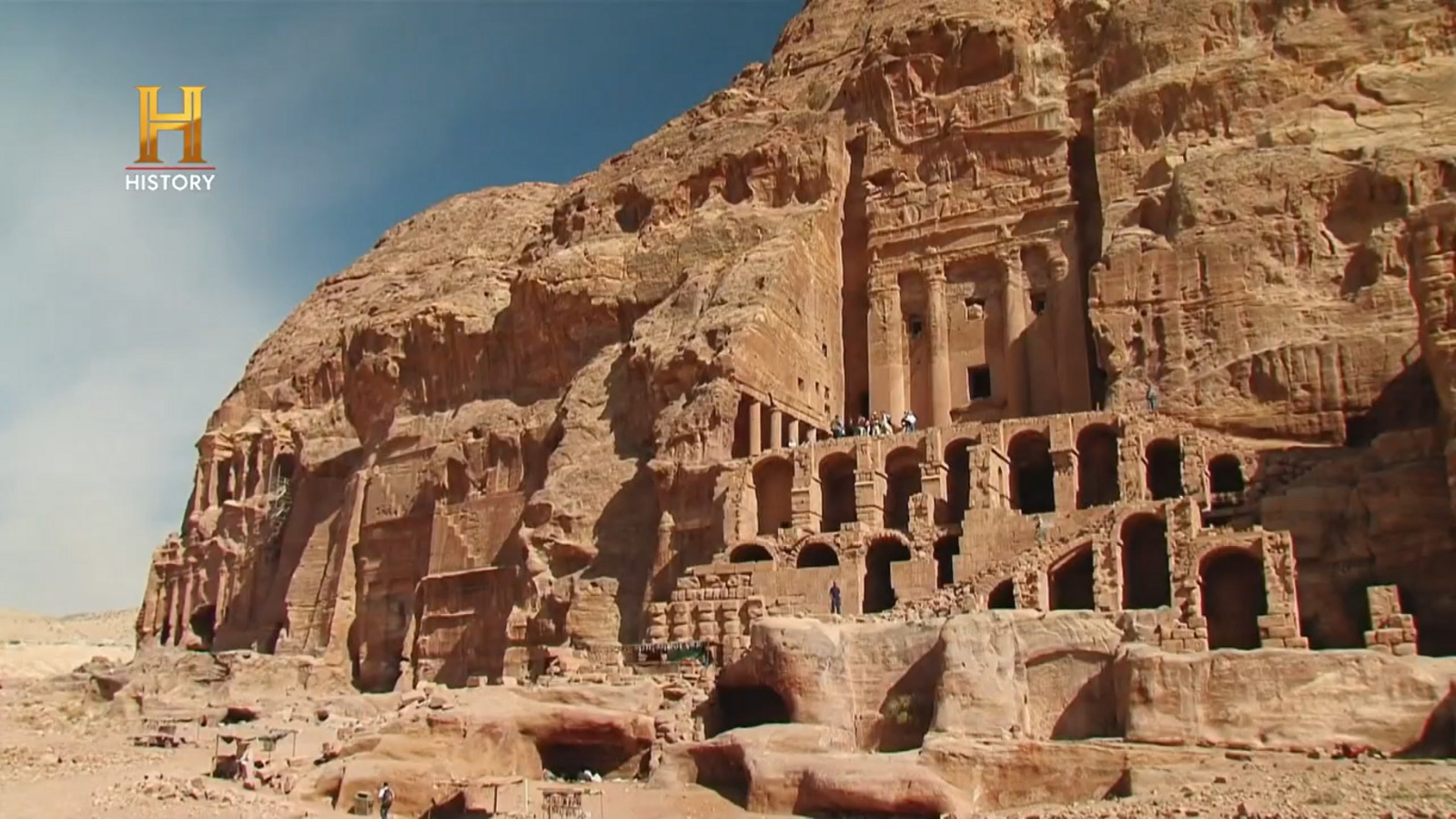
According to archaeologists, the discoveries offer a new perspective on Petra’s urban development, which managed to establish and thrive despite the natural limitations of the territory. The water system was crucial in transforming the area into a fertile city.
Two Main Channels In The Water System
According to The Greek Reporter, the aqueduct of ‘Ain Barq transported water through two main channels, not just one, as previous studies suggested. One of these channels included the lead pipe, associated with the city’s Hellenistic influences.
Petra is globally recognized for its rock-carved architecture and for combining Eastern and Hellenistic traditions.
The water system reinforces this cultural integration, highlighting advanced technical solutions for water capture and distribution.
Previous research presented reconstructions considered overly optimistic, lacking sufficient scientific evidence.
The current project aims to replace hypothetical models with data obtained directly from excavations and detailed analyses.
Excavations Reveal Complex Hydraulic Structures
The first season of the Ancient Petra Urban Development Project, conducted in September 2023, marked the start of systematic excavations in the sector. Work focused on strategic areas of the ancient water system.
The city of Petra had baths, gardens, sanctuaries, and pools, requiring advanced piping to ensure continuous supply. The water system was essential to support these structures and urban life.
In an area of 2,500 square meters of the Jabal al-Madhbah massif, researchers identified nine conduits and a new lead pipe approximately 116 meters long, installed along a terracotta channel.
In addition, a large reservoir sealed by an elevated dam, two cisterns, and seven basins of varying sizes were identified. These structures were connected by drainage channels carved directly into the rock.
Technical Innovations In Water Control
Studies indicate that Petra’s water management system demonstrated a technical level superior to what was previously estimated. Direct analysis of the structures revealed precise solutions to complex hydraulic challenges.
One of the retention dams had an irregular shape and stepped face, reducing the pressure of the stored water. This technical solution contributed to the durability of the structure and to the control of water flow.
The lead pipe allowed the transport of pressurized water, being more suitable for steep terrains. This material facilitated the conduction of water in sections where the terrain required steep ascents and descents.
In the second phase of the system, terracotta pipes and open channels led water to a distribution box with two outlets, responsible for directing supply to different areas of the city.
Impact Of The Water System On Urban Growth
According to The Greek Reporter, the later use of terracotta pipes may have occurred due to requiring less maintenance. This adaptation suggests technical adjustments over time in Petra’s water system.
Archaeology Mag notes that the lead system was crucial in the initial growth phase of the city, ensuring water to the Great Temple and the Garden and Pool Complex, central areas of urban life.
Archaeologists plan to map the entire path of the aqueduct of ‘Ain Barq and adjacent areas. The goal is to construct a clear representation of how engineers planned this work in a challenging terrain.
New excavations are expected to enhance understanding of Petra and its water system, providing more concrete data on the solutions adopted to sustain a city in extreme environmental conditions, reinforcing its historical and technical significance.