Portuguese
  Spanish




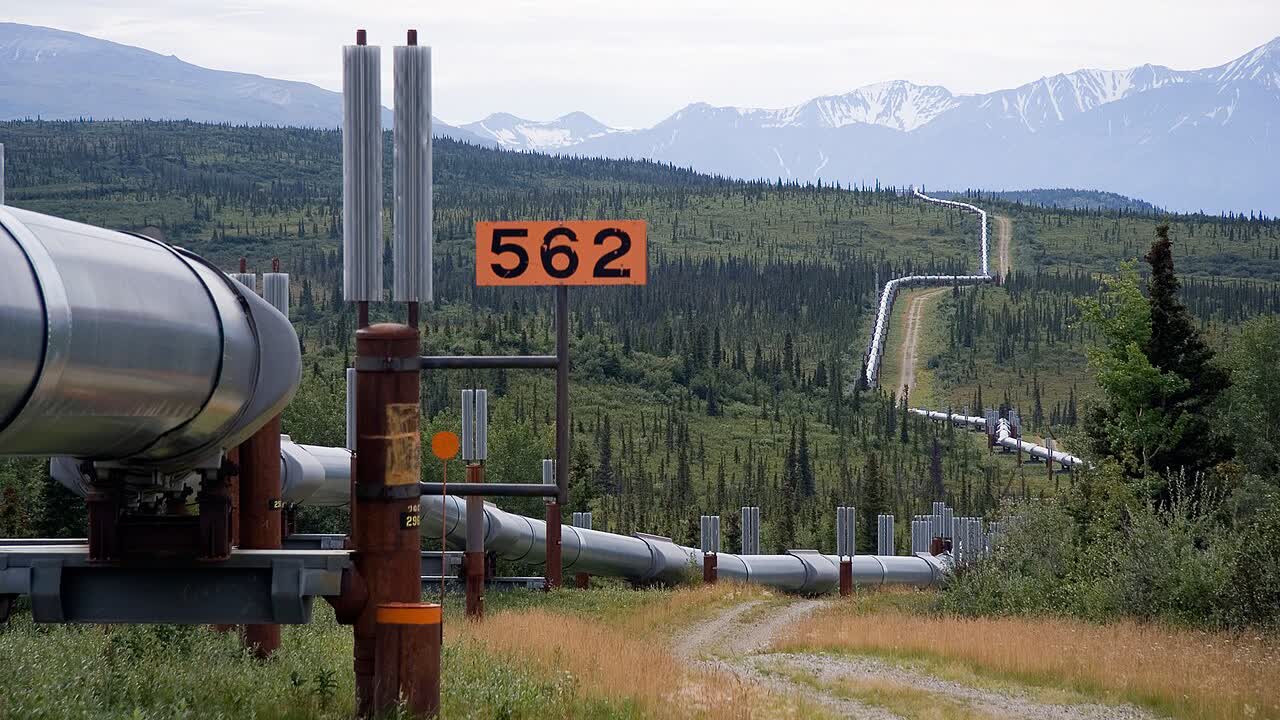
Like the P-68, the P-70, P-74, P-75, P-76, and P-77 platforms are achieving oil production above capacity and have been important for Petrobras’ performance in 2022.
The year 2022 is going ‘full steam ahead’ for the Brazilian oil giant, Petrobras! The oil company maintains solid operational performance and achieves an average production of 2.64 million barrels of oil equivalent per day, selling 700.7 thousand tons of asphalt in the domestic market. In addition, the state company celebrates high levels of diesel, gasoline, and jet fuel in its refineries.
In the 3rd quarter of 2022, Petrobras maintained an average production of oil, NGL, and natural gas of 2.64 million barrels of oil equivalent per day (MMboed), in line with Q2 2022. The total production operated by the company reached 3.65 MMboed during the period, 2.6% above Q2 2022. The total utilization factor (FUT) of the refining park was 88% in Q3, the same level as the previous period’s results. The data highlights come from the Production and Sales Report, released on Monday (10/24) by the state company.
The oil company reported in the report that the average production of oil, NGL, and natural gas reached 2.64 MMboed, in line with Q2 2022. According to the state company, maintaining this level is positive, considering that the results of Q3 2022 already account for the impacts of production cuts resulting from the decommissioning and demobilization of the FPSO Capixaba and the effectiveness of the Production Sharing Contracts for the Volumes of the Surplus of the Cessão Onerosa of Atapu and Sépia.
-
With a record production of nearly 3 million barrels per day, Petrobras resumes importing diesel in July, highlighting the bottleneck in Brazilian refining.

-
Qantas and Airbus Invest in Company Aiming to Convert Unsorted Household Trash into Jet Fuel

-
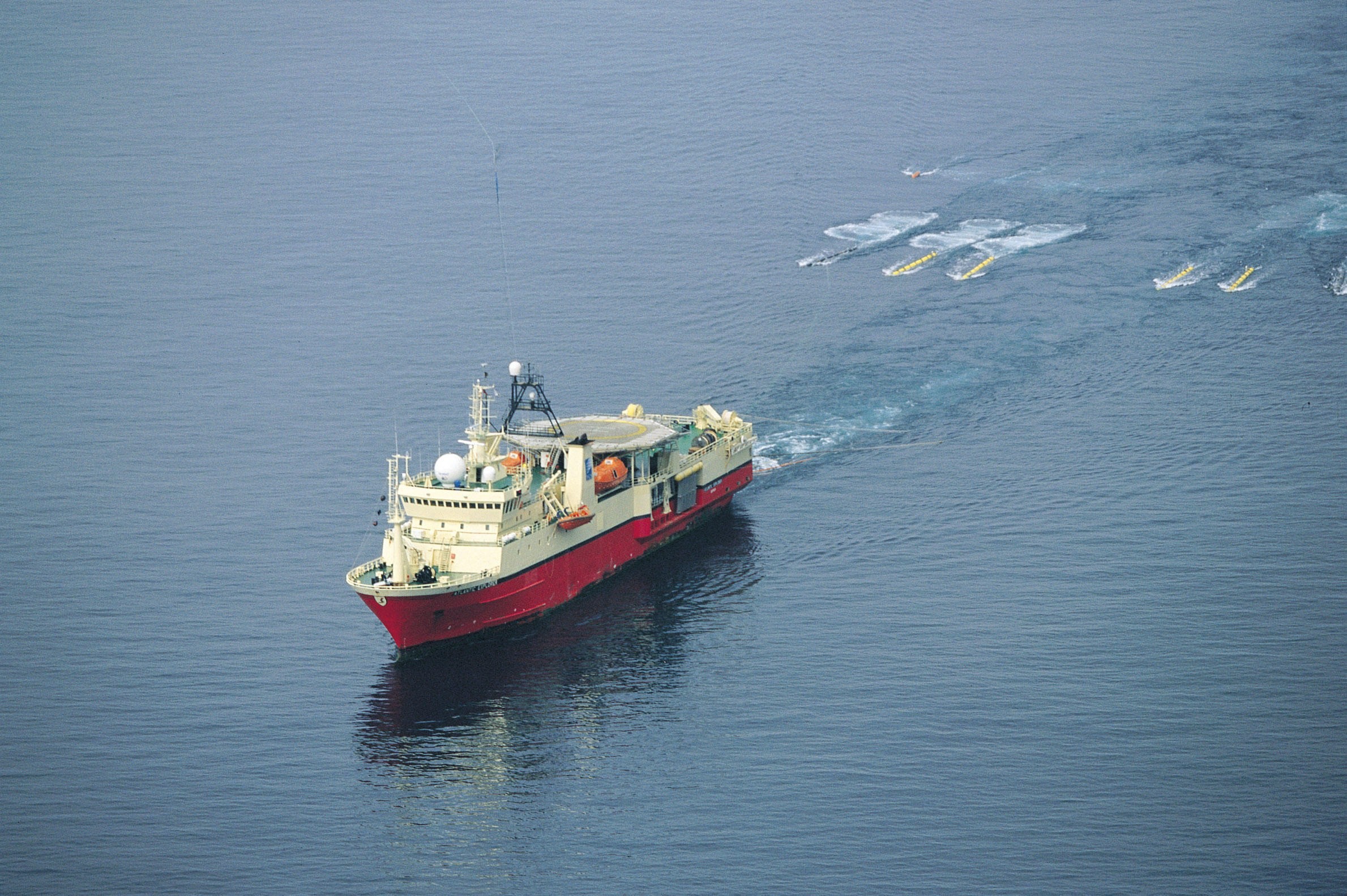
Brazil’s ANP Opens 86 New Oil Blocks in the Equatorial Margin, Expanding the Amazon River Mouth Frontier

-
OPEC+ Boosts Oil Supply by 188,000 Barrels per Day in July 2026, Leading to Price Drop from $112 to $89 per Barrel in Under Two Months
Pre-Salt Oil Represents 73% of Petrobras’ Total Production in Q3 2022
“The impact of these events, already anticipated, was positively offset by the good performance of the P-68 and the production ramp-up of the FPSO Guanabara. The P-68, which operates in the Berbigão and Sururu fields (Santos Basin), reached full production capacity on June 21, allowing the unit to achieve its highest production average this quarter, at 148 thousand barrels of oil per day (bpd), confirming the good performance of the wells and the platform. Moreover, on October 8, the platform set a daily production record of 161 thousand barrels, exceeding nominal capacity due to optimizations achieved in the production plant.”, said Petrobras in the statement.
It is worth noting that like the P-68, the P-70 unit, from the Atapu field, and the P-74, P-75, P-76, and P-77 units, from the Búzios field, have been able, due to operational conditions, to produce above their nominal capacity and have been important for production performance in 2022.
For example, at the FPSO Guanabara (Mero Field), which is in a production ramp-up phase, Petrobras performed the interconnection and initiated operations of two new oil and natural gas production wells, and two new gas injection wells in Q3 2022. As a result, the platform achieved an average production of 65 thousand bpd in the quarter.
The total production in the pre-salt was 1.94 million barrels of oil equivalent, in line with Q2 2022, representing 73% of Petrobras’ total production. According to the report, the company continued its market development work for pre-salt oils, focusing on Atapu and Sépia, which were the last oils added to Petrobras’ export basket. In this quarter, four new clients were added, distributed among Asia, Europe, and South America.
Diesel, Gasoline, and Jet Fuel Production (66%) Were Also Highlights from the Refineries
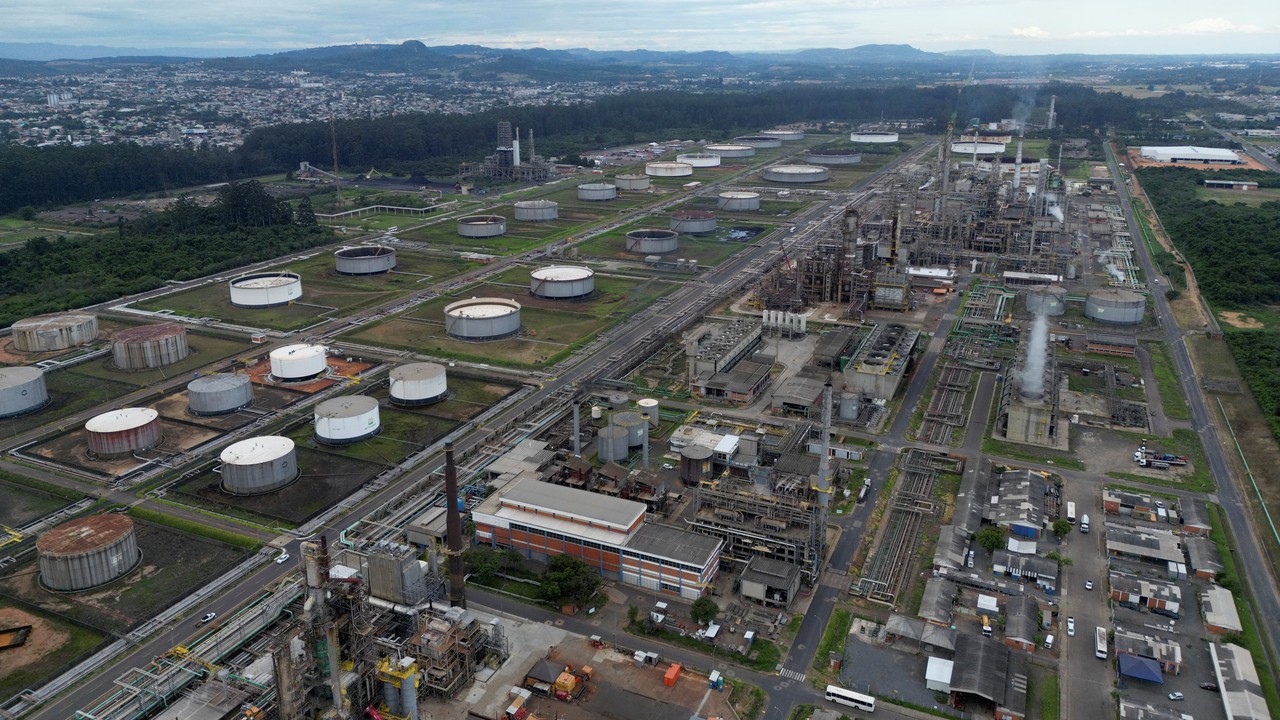
Refining also stood out, with the total utilization factor (88%) and the yield of diesel, gasoline, and jet fuel (66%) remaining at high levels, in line with Q2 2022. In the report, the state company explains that the results of this quarter occurred even with the planned shutdowns of 43 days for distillation and coking at REPLAN, in Paulínia, São Paulo, the largest refinery in the country, and 33 days at the hydrocracking units of REGAP, in Betim, Minas Gerais.
It is also noteworthy that eight of the company’s refineries have operational availability accumulated in the first nine months of 2022 at levels comparable to the best American refiners.
It is worth remembering that in September the first sale of Diesel R5, composed of 95% petroleum-derived diesel and 5% renewable diesel, was completed, with technology developed by Petrobras’ Research Center, which consists of the co-processing in hydrocracking units.
Production took place at REPAR, in Paraná, where Diesel R5 had already been produced for testing in the urban bus fleet of Curitiba.
Petrobras Sets Record for Asphalt Sales in the Domestic Market
And it doesn’t stop there, with demand still high, in Q3 2022, Petrobras sold 700.7 thousand tons of asphalt in the domestic market, the highest volume in a quarter since 2014! It also achieved a quarterly record for asphalt production since 2014, totaling 697.5 thousand tons.
The Intensity of Greenhouse Gas Emissions (IGEE) from the refineries continued to decrease in Q3 2022, with a result of 37.8 kgCO2e/CWT, compared to a result of 38.9 kgCO2e/CWT in Q3 2021.
Check here the full Production and Sales Report for Q3 2022