Portuguese
  Spanish


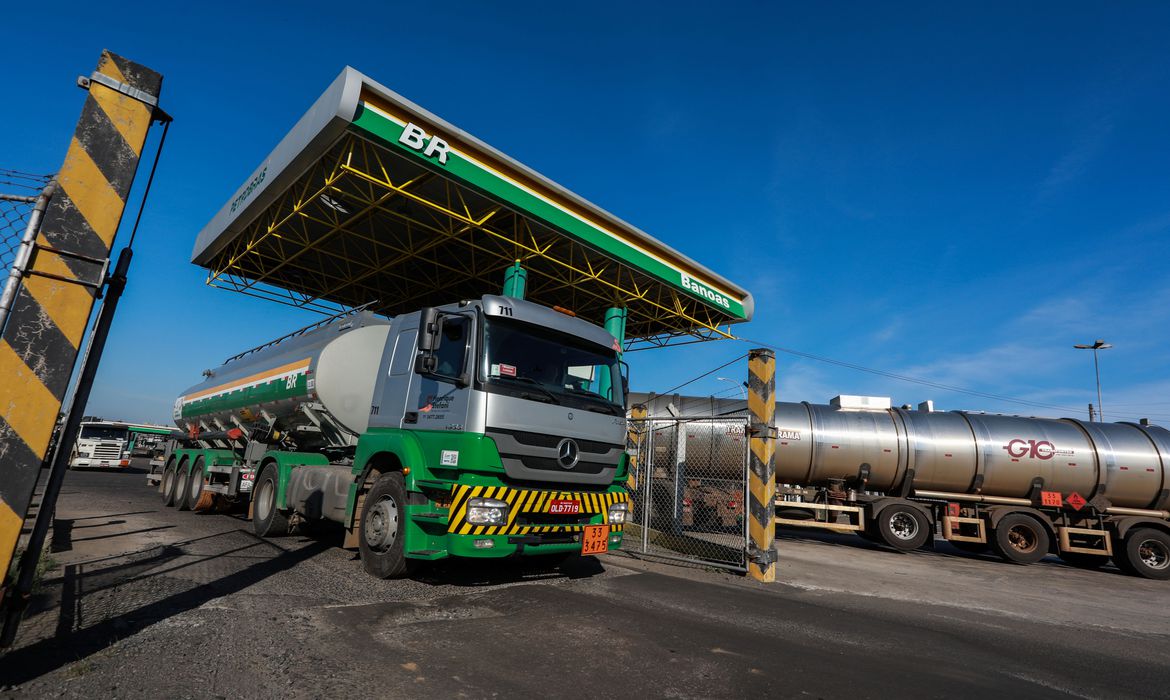

The President of Petrobras, Reserve General Joaquim Silva e Luna, Defended His Management and Denied That the Company Is Responsible for Price Increases
In an interview with UOL, the president of Petrobras, Reserve General Joaquim Silva e Luna, defended his management and denied that the company is responsible for the increase in prices. Silva e Luna defended the company’s pricing policy amid soaring fuel prices, with Petrobras at the center of criticism, including from the political class. On the 16th, truck drivers promised a new strike starting November 1, following a meeting held in Rio de Janeiro. Read this news also: Truck Drivers Threaten Strike and May Stop at Any Moment Against the New Diesel Price Hike and Fuel Prices Charged by Petrobras
- SBT, One of the Main Broadcasters in Brazil, Calls for Candidates with and Without Experience for Job Vacancies, Internships, and Apprenticeships in SP and RJ
- GranIHC Wins a Contract Worth R$ 47.8 Million with Petrobras and Will Be Responsible for the Construction and Assembly of FPSO P-68
- Public Buildings in Municipalities of SP and PR Adopt the Use of Solar Energy, Biomass, Wind Energy, and Small Hydroelectric Power Plants Estimating Savings of R$ 2 Million per Year.
- Specialist Says That by 2050 More Than Half of the Electricity Generated in Brazil Will Be Solar and Free.
- End of Ford Ka and EcoSport May Be Near, After Multinational Announces Closing of Its Factories in India.
The CEO of Petrobras Defends Fuel Price Adjustment
The general stated that Petrobras will not accept intervention, that “price controls have always brought the worst consequences,” that the pursuit of profit should not be condemned, and that the decision on whether to privatize the company rests with the government. “What prevents supply shortages in the markets and enables balanced economic growth is precisely the acceptance that prices are determined by the market, not by ‘pen strokes’,” said Silva e Luna.
Petrobras’ current pricing policy has been in effect since October 2016, during the presidency of Michel Temer, who established the Import Parity Price (IPP), passing on the increases in oil prices in the international market and also the dollar, which rose nearly 30% in 2020 and has accumulated a 5% increase this year. Petrobras’ pricing policy caused the largest strike of truck drivers in the country in May 2018, which resulted in product shortages across the country. At that time, Temer changed the rules for price adjustments and dismissed the then president of Petrobras, Pedro Parente.
-
Brazil’s July Bolsa Família Payments May Include Extra $150 and $50 for Families with Children, Pregnant Women, and Updated CadÚnico Registration

-
Brazilian Woman Buys €1 House in Sicily, Clears 50 Truckloads of Debris, and Transforms Ancient Ruin into Inspiring Life Project by 2026

-
Havan Competitor Expands in Brazil with 170 Stores, Offering Everything from Stationery to Asian Food and Focusing on Affordable Products to Attract Shoppers

-
Norway’s $2 Trillion Dilemma: How Oil Revenue Created a Massive Savings Fund with Too Much Money to Spend



Truck Drivers Project a New Strike
Representatives from various truck driver associations are alerting their members to a possible diesel shortage due to cuts that Petrobras may be making in the supply to distributors. A statement sent on Saturday (15) by the Brazilian Association of Autonomous Vehicle Drivers (Abrava) informs drivers that the decrease in supply at gas stations will significantly affect independents since, unlike companies or fleets, they do not have pumps to maintain their own supply.
With the reduction in fuel delivery by Petrobras, Abrava points out that diesel will likely have to be imported, “which will result in an increase in the price per liter close to R$ 0.60 (sixty cents) due to the international pricing parity policy for fuels that Petrobras follows,” the text states.
At a meeting held in Rio de Janeiro on Saturday, several representatives of independent drivers decided that the category will go on strike if the demands are not met. The high price of diesel is one of the most important points. For Abrava’s president, Wallace Landim, known as “Chorão,” the risk of supply shortages also weighed heavily in the indication of a strike. “That was an additional reason,” he says.