Portuguese
  Spanish




Petrobras’ Proposal for Refinery Sale Review Is Presented to Cade, Seeking to Adjust Previously Established Commitments.
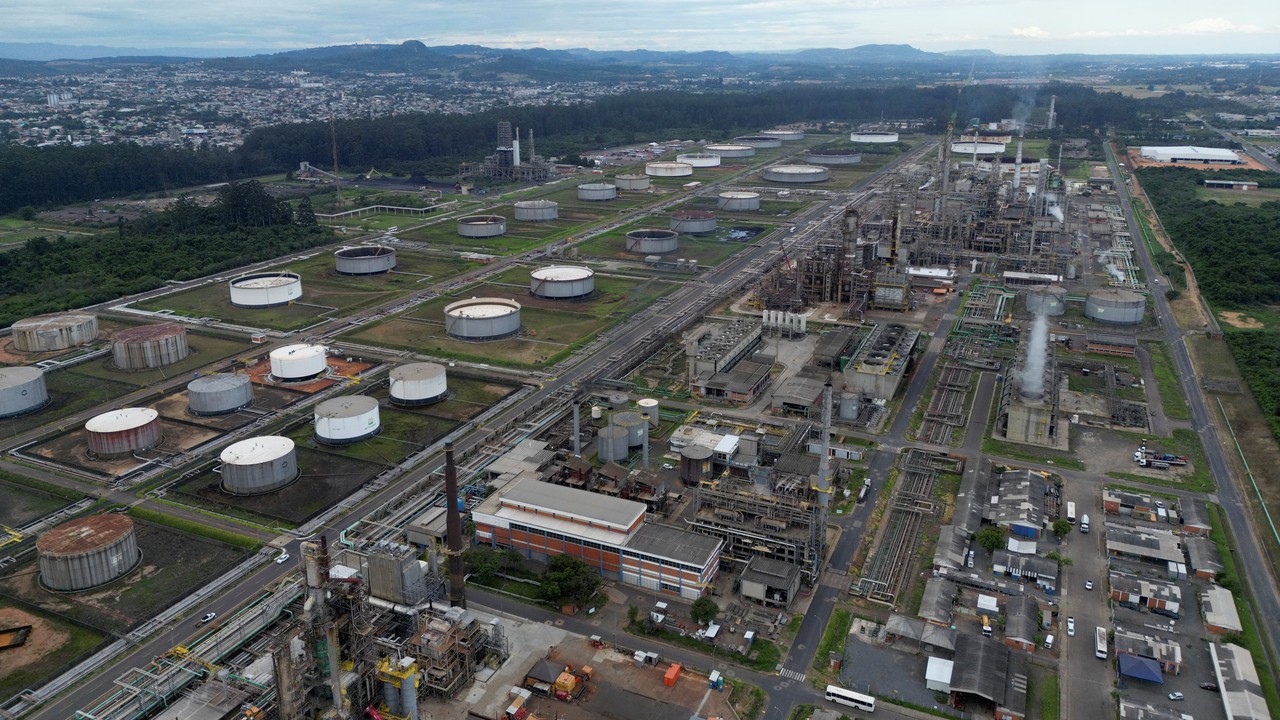
According to portosenavios, Petrobras submitted a proposal to the Administrative Council for Economic Defense (Cade) aiming to reverse the sale of five refineries, in a move that seeks to maintain control over these strategic assets. This initiative arises as part of an addendum that aims to review the previous agreement, established in 2019, which outlined the rules and commitments for the sale of these refineries. With a positive opinion already issued by the Cade General Superintendence, Petrobras seeks to reconfigure its positioning regarding these key assets.
Strategic Reassessment of Petrobras
In light of significant changes in the economic and regulatory landscape, Petrobras has been seeking to adapt its strategy regarding the refineries, considered fundamental pieces of its portfolio. The proposal to review the refinery sales, presented to Cade, reflects the company’s need to reassess the commitments previously made, in light of new circumstances and challenges in the market. This strategic reconfiguration not only impacts Petrobras’s operations but also has repercussions in the national energy sector.

Impact of the Pandemic and Low Interest
Petrobras argues that the established timelines were affected by the COVID-19 pandemic, resulting in significant challenges in the sale of the refineries. Additionally, the company mentions the lack of substantial interest from potential buyers, which hindered the process of asset disposal within the established parameters.
-
It’s official: Petrobras takes 75% of block 3 in São Tomé and Príncipe and debuts as an offshore operator outside South America.

-
With a record production of nearly 3 million barrels per day, Petrobras resumes importing diesel in July, highlighting the bottleneck in Brazilian refining.
-
Qantas and Airbus Invest in Company Aiming to Convert Unsorted Household Trash into Jet Fuel

-
Brazil’s ANP Opens 86 New Oil Blocks in the Equatorial Margin, Expanding the Amazon River Mouth Frontier




Commitments to Promote Competitiveness
To promote competitiveness in the market, Petrobras proposes disclosing non-discriminatory commercial guidelines for oil deliveries via maritime, as well as offering frame contracts for independent refineries. These measures aim to foster a more dynamic and competitive environment in the oil refining sector.

Impacts on Petrobras’s National Energy Policies
Petrobras emphasizes that the sales of refineries can affect the execution of national energy policy and represent an obstacle to the country’s energy transition projects. The company highlights the importance of realigning its refining operations with the growing demands for biodiesel, driven by the New Growth Acceleration Program.
Review of Obligations Related to the Natural Gas Market
In light of the transformations in the natural gas market, Petrobras has also proposed a review of the obligations originally established regarding the subsidiary TBG. Considering the increasing importance of natural gas in the country’s energy matrix and its relevance in decarbonizing operations, Petrobras argues that maintaining social control of 51% of TBG is crucial for its strategic plans. The company emphasizes the consistency of the dividends generated by the subsidiary, as well as its contribution to promoting a transparent and equitable market for various independent shippers.
Final Considerations and Analysis of the Proposals
The proposals presented by Petrobras to Cade signal a strategic reassessment and an adaptation to the new market and regulatory environment realities. By seeking to adjust the previously established obligations, Petrobras demonstrates an effort to align its operations with the current and future demands of the energy sector. The analysis and approval of the proposed addendums will be crucial, not only for the company but also for the national energy scenario as a whole. Thus reflecting the ever-evolving dynamics of the energy sector in Brazil.