Portuguese
  Spanish


Petrobras Launches P-91 Amid Unexpected Dispute: Global Data Centers are Massively Purchasing Turbo Generators, Hindering the State Company’s Access to Essential Equipment for Pre-Salt
Petrobras has begun the hiring process for the P-91, its 12th and final floating production platform in the Búzios Field. However, when announcing the bidding, the Director of Engineering, Technology, and Innovation, Renata Baruzzi, pointed out an unusual challenge: the state company is now competing with global data centers for the purchase of power generators.
According to the executive, suppliers of turbo generators have prioritized massive orders from the technology sector, which consumes increasingly larger volumes of electricity to keep servers running. “A data center asked me for 15 turbines, and Petrobras only for one. Who do you think the manufacturer will prioritize?” said Renata.
Billion-Dollar Platforms Pressured by Lack of Equipment
The new FPSO, named P-91 or Búzios 12, will have a capacity to produce 180,000 barrels of oil per day and will also function as a natural gas distribution hub. However, in addition to the technological challenge, the biggest current obstacle is ensuring the supply of basic equipment, such as turbines, which are contested by very different sectors.
-
Brazilian Company in Minas Gerais Innovates by Using Electric Currents to Extract Critical Metals from Industrial Waste

-
Indian Project Aims to Recover Zinc and Silver from Mining Waste, Targeting Over ₹3.8 Billion Revenue in 28 Months
-
Global Race for Rare Earths Intensifies as U.S. and China Compete, Putting Brazil’s Vast Reserves in the Spotlight

-
Volvo’s New Loaders Feature Obstacle Detection, Automatic Braking, and 360-Degree Operator View

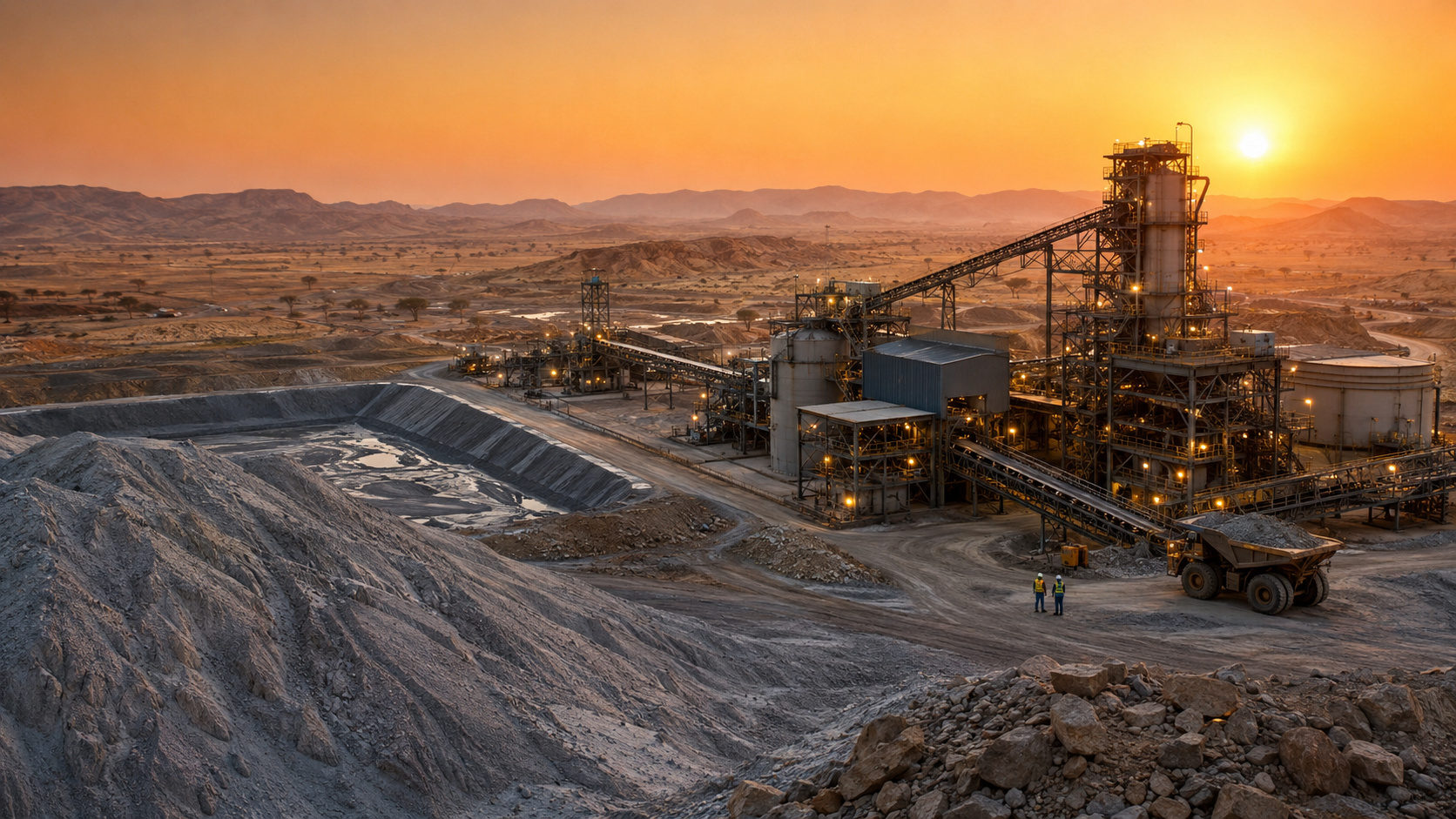


This race for generators directly impacts the final cost of the platforms. The FPSO Almirante Tamandaré, recently delivered, cost around R$ 45 billion (US$ 8 billion). When asked about the cost of P-91, Renata joked: “It’s 1 billion dollars. I want to see who will be able to deliver it for that.”
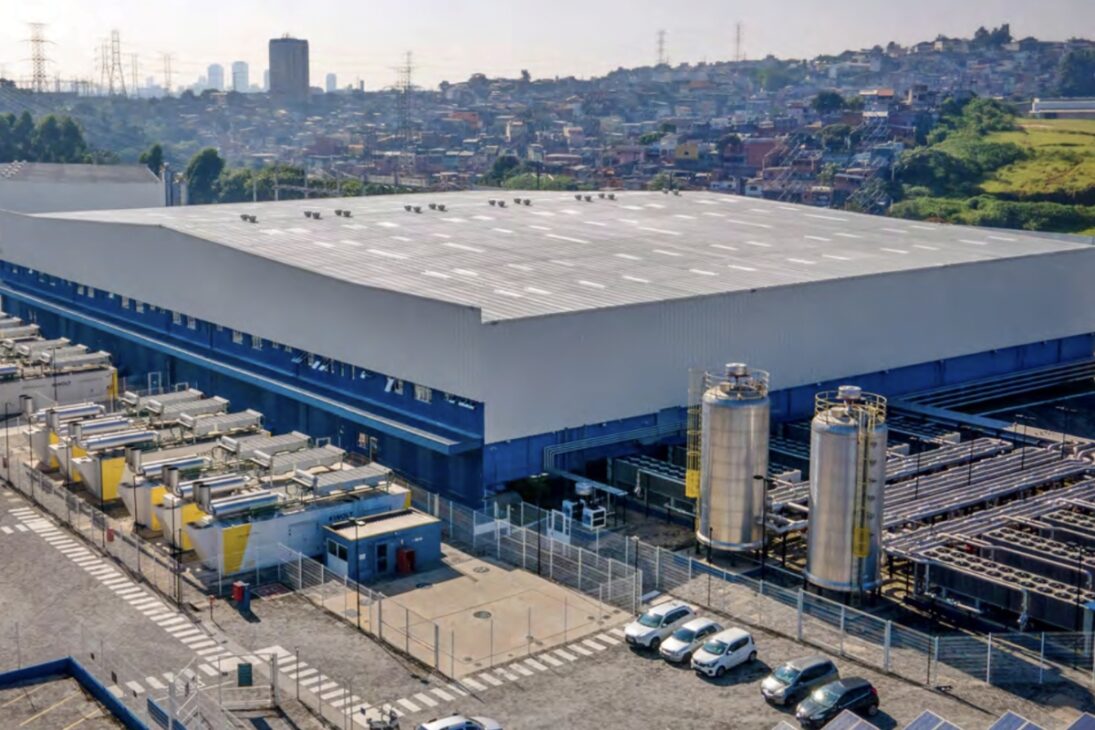
Data Centers and Oil: The Same Energy Battle
What stands out is that, for the first time, Petrobras faces competition from a sector outside the heavy industry. Technology giants, by expanding their data centers, have begun to order dozens of large turbines, pressuring the global supply chain.
This scenario shows how the energy transition and global digitization are beginning to directly affect the oil industry. Platforms that previously only competed with shipyards and naval suppliers are now also contending with the digital cloud.
Path to 2033
Despite the dispute, Petrobras maintains its plan to consolidate Búzios as its largest producing field, with a peak expected of 1.8 million barrels per day in 2033. The P-91 will be built under the BOT (Build, Operate, and Transfer) model, in which the contracted company assumes the initial operation before transferring it to the state company.
The contract provides for 25% local content, but it is up to the operator to decide whether this share will be met with modules, integration in Brazilian shipyards, or purchasing national equipment, such as those produced by WEG.
Interested companies will have 180 days to submit proposals. The delivery of P-91 will only occur after 2030, being excluded from the 2026-2030 Business Plan. Until then, other contracted FPSOs will reinforce the field’s production.