






 Portuguese
  Spanish


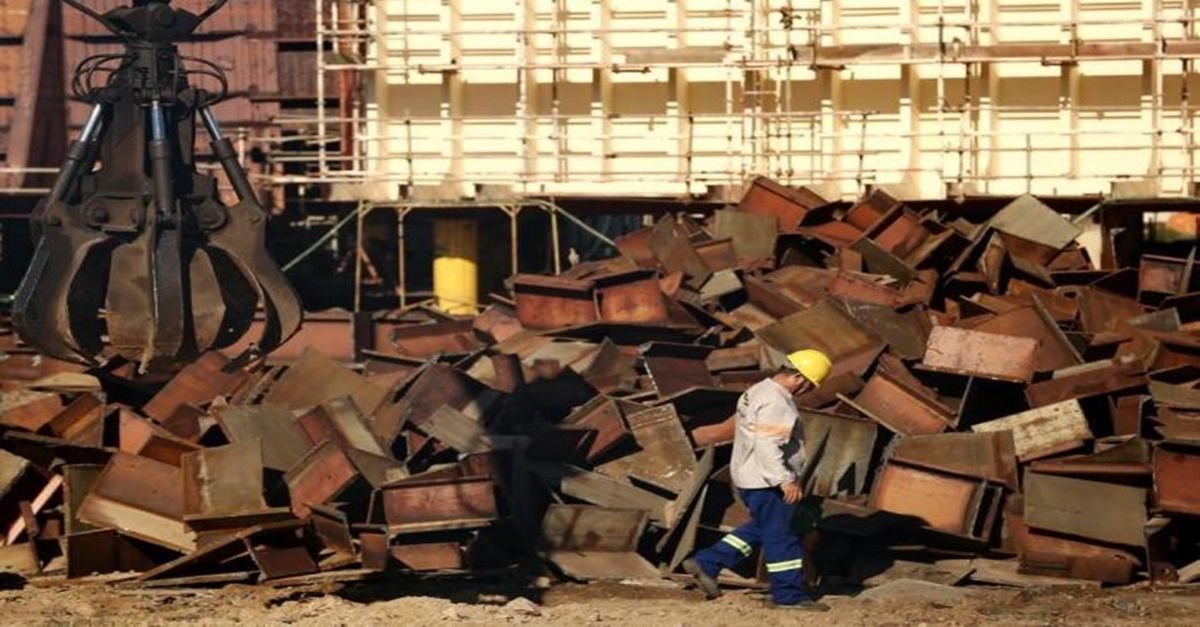

Of the 9,800 Items Sold by Petrobras Since June, 980 Have Purchase Orders Issued and 1,162 Are Under Review to Be Acquired Again
According to the publication made last Tuesday (09/15) by Sindipetro Unificado SP, Petrobras would be selling used parts from its units as if they were scrap. Lula Field – Brazil’s Largest Oil and Natural Gas Producer Was Changed on September 14 to Tupi Following ANP’s Determination
Read Also
- Petrobras Guarantees Employment for Oil Workers Until August 2022
- Congress Action Against Petrobras Refinery Sales Will Be Judged by the STF Starting Friday
- Job Openings to Meet Petrobras Contracts in Macaé for Electricians and Technicians to Work Offshore at UO-Rio and for Engineers in Maintenance Shutdown REFAP – RS
The organization claims that of the 9,800 items sold by the state-owned company since June, 980 have purchase orders issued and 1,162 are under review to be acquired again.
“This proves that Petrobras does not apply the utilization potential criterion and is repurchasing the same materials it sold for symbolic prices at updated prices, which has caused systemic billion-dollar losses for the company,” the source stated indignantly.
-
Brazil’s ANP Opens 86 New Oil Blocks in the Equatorial Margin, Expanding the Amazon River Mouth Frontier

-
OPEC+ Boosts Oil Supply by 188,000 Barrels per Day in July 2026, Leading to Price Drop from $112 to $89 per Barrel in Under Two Months

-
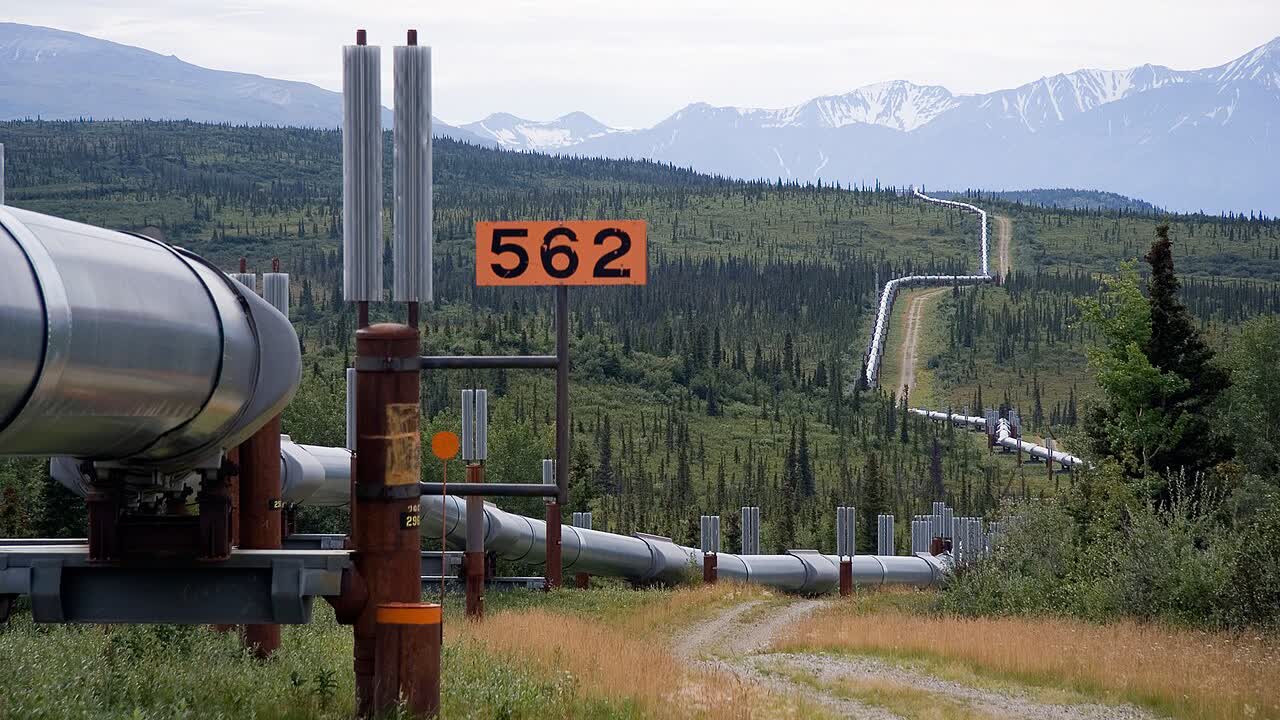
TotalEnergies Signs 20-Year Deal to Purchase 2 Million Tons of LNG from Alaska, Boosting Project Viability
-
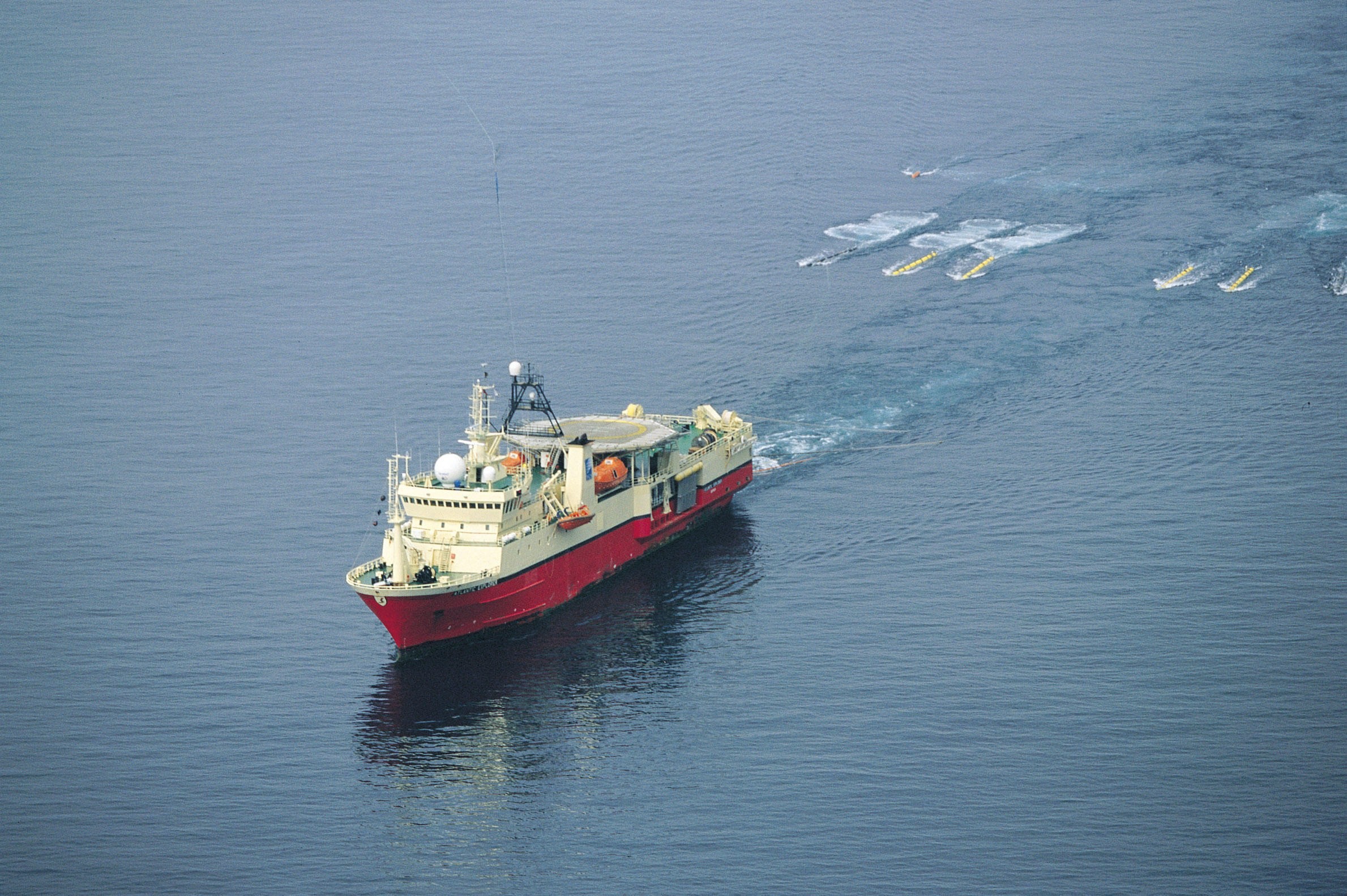
Turkey Deploys Çağrı Bey Drilling Ship to Explore New Oil Frontier Off Somalia’s Coast
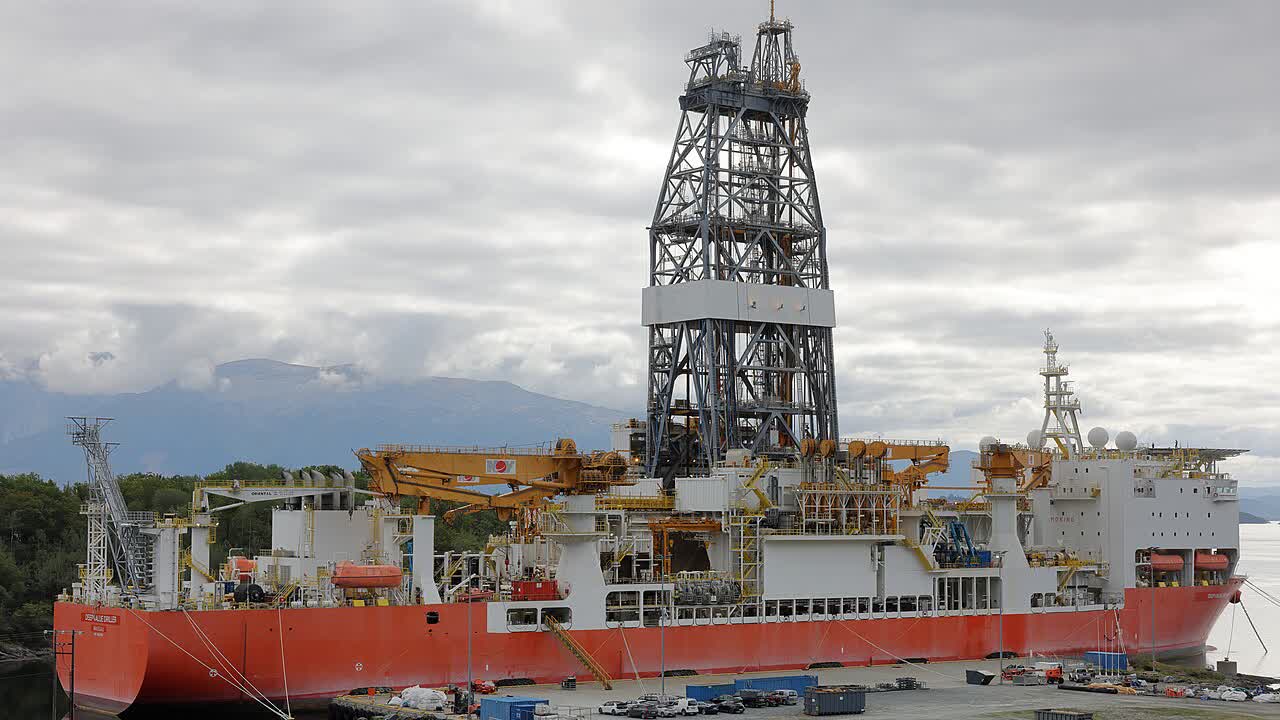
The union claims that the allegation is based on internal data from Petrobras, provided by a source who preferred to remain anonymous.
Sindipetro Unificado SP cites as an example a truck that left the Luiz Carlos Prestes Thermoelectric Plant (UTE) in Três Lagoas (MS) loaded in September.
Materials belonging to Petrobras that until then were part of the plant’s inventory were sold as scrap for nine thousand reais. Among the items was a new pneumatic control valve, packaged in the box, which costs between R$ 12,000 and R$ 15,000.
According to the source from the union, poor planning, slowness, centralized inventory management, and abrupt project changes are some of the factors that increase the company’s inventories.
Changes in Petrobras’ investment policies have led to much larger losses. In 2010, it ordered eight platform hulls from the Rio Grande shipyard, Ecovix, for R$ 10 billion.
In 2016, after the impeachment of President Dilma Rousseff, Petrobras decided to transfer the construction of nine oil platforms, which were already under construction in Brazil, destined for the Lula Field in the pre-salt area, to Asia.
The Rio Grande shipyard was forced to lay off almost all of its 24,000 workers, and about 80,000 tons of steel structures intended for the construction of platforms P-71 and P-72 were sold as scrap.
The abandonment of these projects had severe consequences for Brazil’s shipbuilding industry, leaving thousands of Brazilians without jobs. In Rio de Janeiro alone, over 55,000 workers lost their jobs between 2014 and 2018.
“This policy contradicts the local content policy existing in Brazil since 1999. The mechanism mandates that all equipment intended for oil exploration in the country have a minimum percentage of materials produced by the national industry. It was designed to avoid the so-called “Dutch disease,” which is characterized by the extraction and export of crude oil without the development of the national production chain.”, Sindipetro affirms.
The current president of Petrobras, Roberto Castello Branco, has already made harsh criticisms of local content. In 2019, he stated that this rule was responsible for a “disastrous history, loss of productivity, and corruption,” and, furthermore, “brought enormous losses, not only for Petrobras but for the entire country.”


