






 Portuguese
  Spanish
  3 min of reading
  0 comments


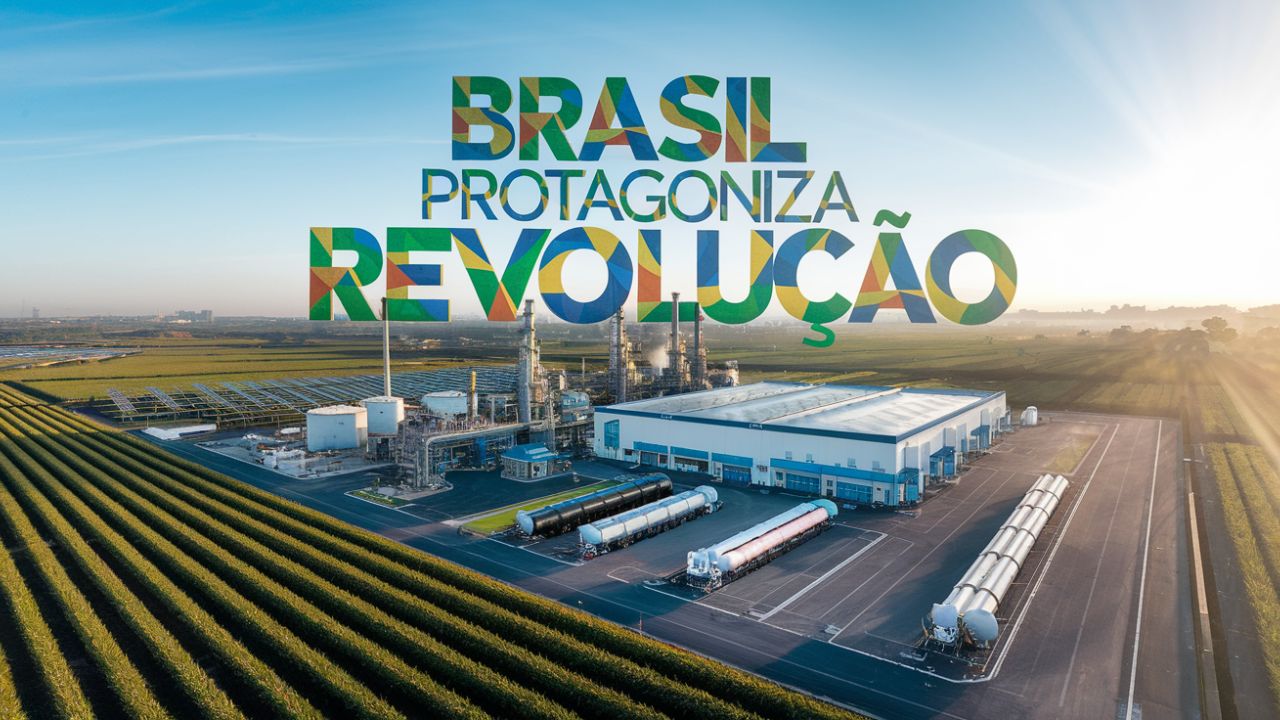
With Four Strategic Refineries and the Largest Sugarcane Biomass Hub in Brazil, Petrobras Bets on São Paulo to Lead Low-Emission Hydrogen Production, Driving Decarbonization and Future Fuels.
Did you know that the state of São Paulo was chosen by Petrobras to host its newest low-emission hydrogen project? That’s right, this decision was not made by chance. The state has the perfect ingredients to lead the energy transition in Brazil and help decarbonize the national industry. But why São Paulo? Let’s find out together!
Why Was São Paulo Chosen?
A sugarcane field that, besides producing ethanol, also generates green hydrogen and synthetic fuels. That’s exactly what São Paulo can offer. As the largest sugarcane producer in the country, with 383.4 million tons in the last harvest, the state has enough biomass to boost the production of biomethane and biogenic CO2, essential inputs for this energy revolution.
São Paulo is also the industrial heart of Brazil. With four Petrobras refineries in the state – Replan, Revap, Recap, and RPBC – and proximity to major ports like Santos, the location is ideal for connecting production and consumption, as well as facilitating exports. This existing infrastructure reduces costs and accelerates the implementation of the hub.
-
Brazilian scientists are simultaneously advancing two research projects on clean hydrogen and driving solutions that could transform the energy matrix, enhance industrial competitiveness, and accelerate large-scale emission reduction targets.

-
Advancement in renewable energy: A R$ 150 million project launched by Petrobras and Finep aims to create state-of-the-art electrolyzers for green hydrogen, strengthening national research and preparing Brazil to compete in a billion-dollar energy market.
-
Illiterate or semi-literate grandmothers were trained to repair solar systems, open rural workshops, and light up homes that still depended on kerosene.
-
The world has bet on green hydrogen as the fuel of the future, but now faces the side effect: producing 1 kilogram requires about 9 liters of ultrapure water, and the largest projects on the planet are precisely in the driest regions of the Earth, where water is already scarce for people.




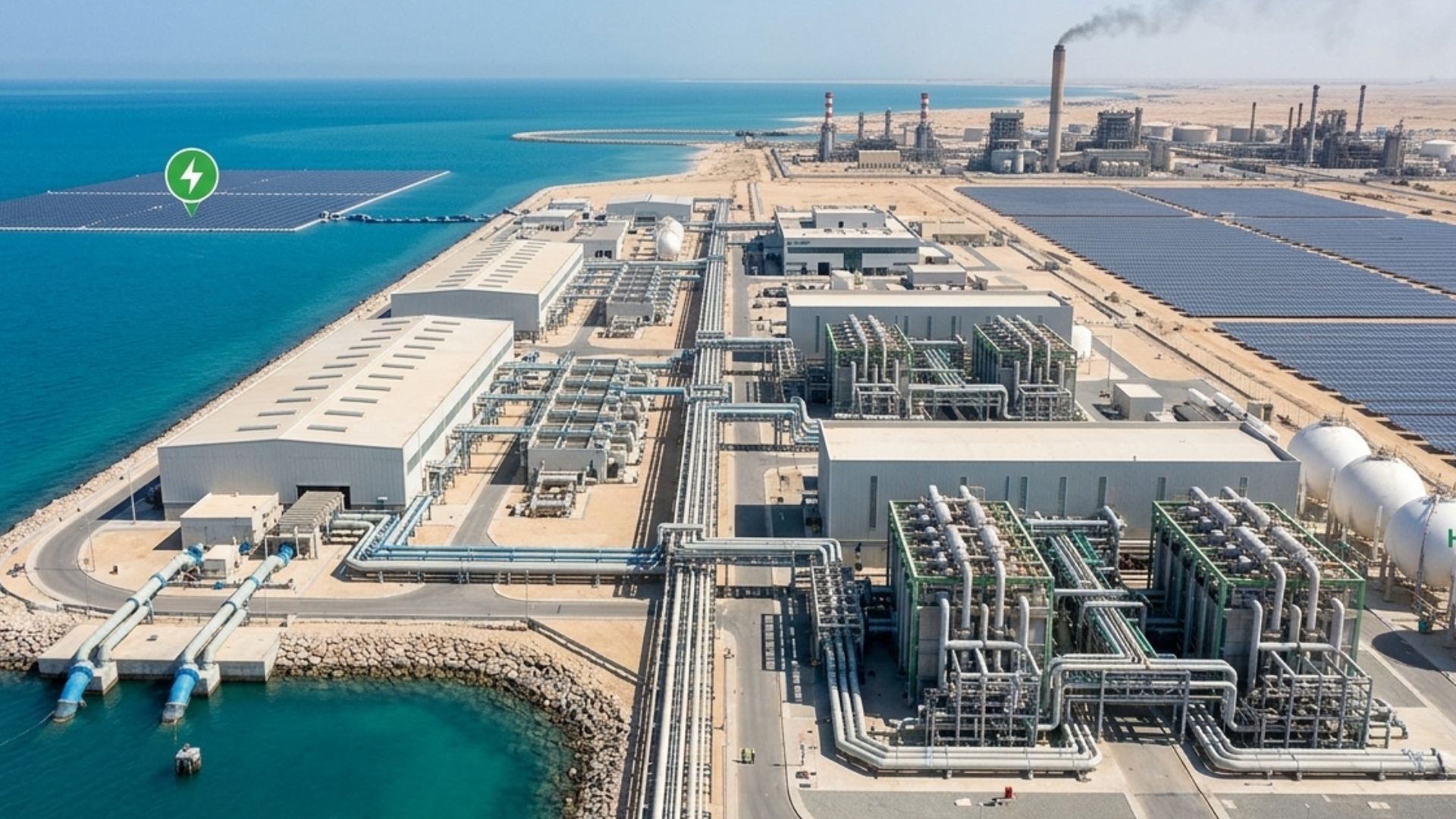
Low-Emission Hydrogen and Decarbonization

The magic of sugarcane biomass goes beyond ethanol. The biomethane generated can be converted into renewable hydrogen, while biogenic CO2 helps create fuels like SAF (Sustainable Aviation Fuel) and e-methanol, essential for green aviation and shipping. It’s like turning the air we breathe into clean energy!
With new global decarbonization rules on the horizon, according to the website Eixos, Petrobras is eyeing 2027 when international air transport will start requiring cleaner fuels. Revap, for example, already supplies 80% of the aviation fuel demand in São Paulo, showcasing the state’s potential to lead this transformation.
Petrobras Bets on Sustainable Economy
This hub is not just about hydrogen; it’s about strengthening the Brazilian economy. From developing renewable energy to producing specialized equipment, the project promises to boost the local industry and create new job and innovation opportunities.
Petrobras is aligned with a sustainable future. The Strategic Plan 2050 proposes US$ 16.3 billion in investments in the energy transition, including biorefining, biomethane, and renewable energies like wind and solar. This hub is a key piece of that green puzzle.
A Sustainable Future for Industry
It’s clear that all of this will only be possible with government support. Incentive policies are essential to attract investments, lower costs, and accelerate the implementation of low-emission technologies.
By 2035, the goal of the National Hydrogen Program is to consolidate sustainable hubs in Brazil. With São Paulo in the lead, the state can become a global reference in green hydrogen, boosting the competitiveness of the Brazilian industry.






-

1 person reacted to this.