Portuguese
  Spanish


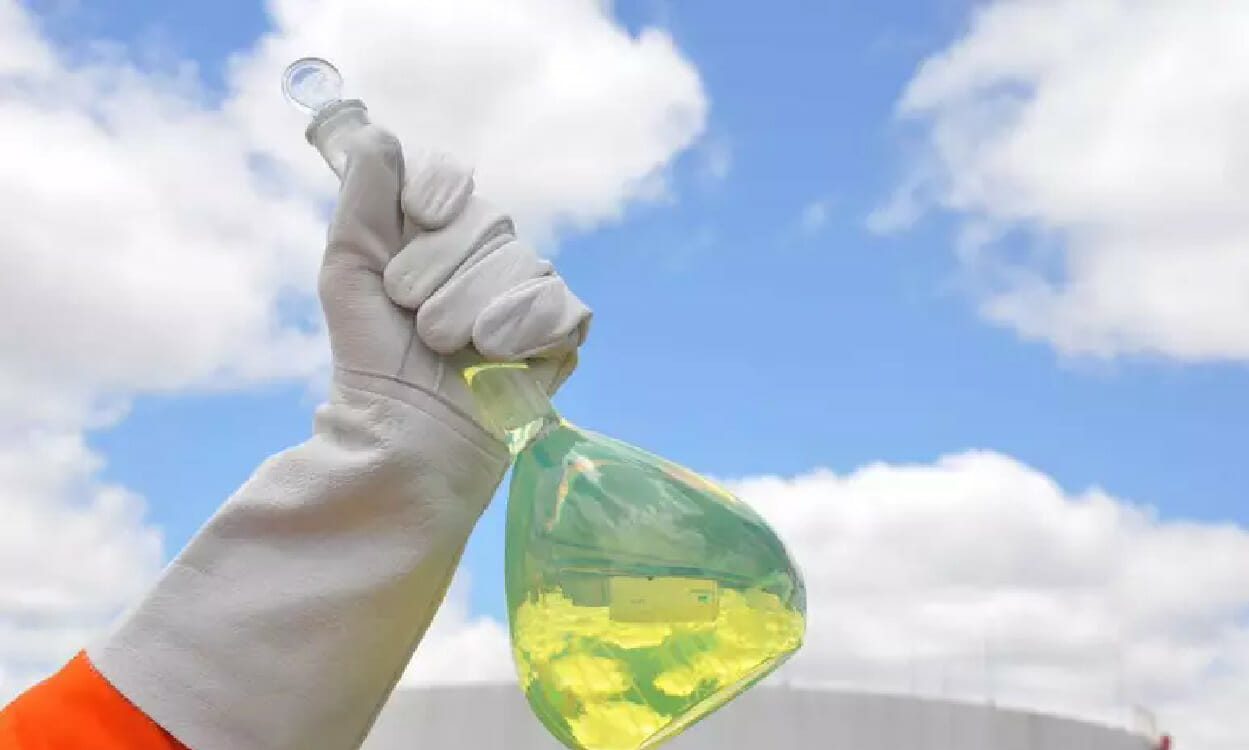

The Expansion of Diesel R by Petrobras Will Generate a Reduction of About 1,300 Tons of Greenhouse Gases Released from Burning Non-Renewable Fuels
Petrobras is prepared to significantly increase its production capacity of Diesel R, the diesel with renewable content, after receiving authorization from ANP to operate another production unit at the Presidente Getúlio Vargas Refinery (Repar) in Araucária (PR). With this expansion, Petrobras projects a 146% increase in production capacity of this fuel, allowing for processing of 12.3 million liters per day later this year.
With the expansion of its Diesel R production capacity, Petrobras will increase from 5 million liters per day to 12.3 million liters per day of the fuel. This significant expansion represents an important milestone for the company and for Petrobras’ BioRefining program. In terms of environmental impact, this additional volume of renewable diesel would be sufficient to supply approximately 41,000 conventional buses, resulting in a reduction of about 1,300 tons of greenhouse gases, according to information provided by Petrobras.
Technology and Versatility Delivered by Renewable Fuel
Diesel R is a fuel produced by Petrobras through the co-processing of mineral diesel with vegetable oil, exhibiting a proportion of up to 10% renewable content. In addition to its environmental benefits, Diesel R can be blended with conventional diesel in varying proportions without the need for modifications to vehicle engines or changes in the logistics chain or storage. This versatility makes it an attractive option for the industry and consumers concerned about the energy transition.
-
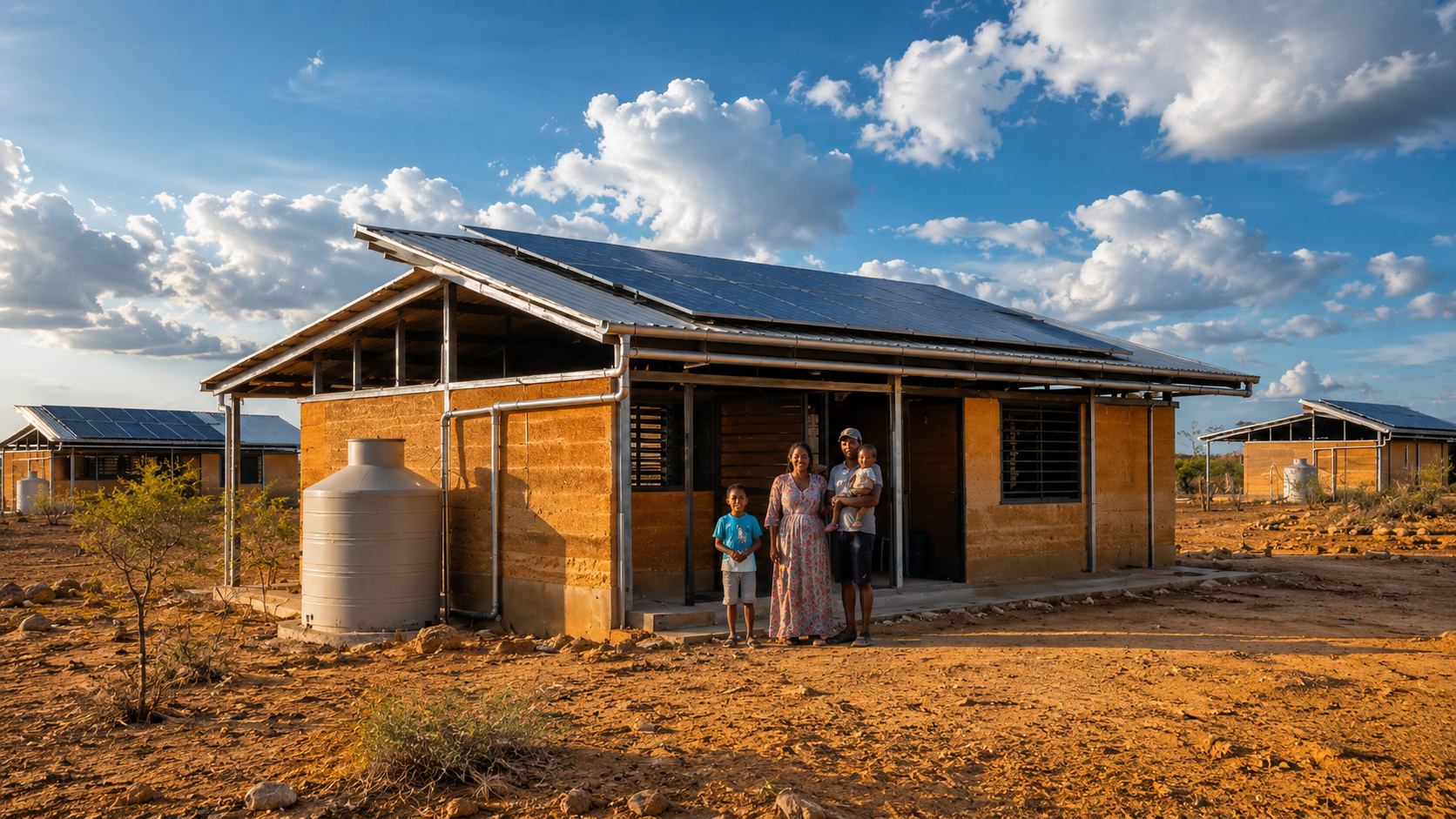
In Colombia’s desert, 30 families receive 80 m² homes with solar panels, waterless toilets, and rainwater collection systems amid water and energy shortages.

-
H2A to Invest $570 Million in 22 Biomethane Plants in Brazil, Converting Agricultural Waste into 700 Tons of Renewable Fuel Daily
-
Engie Secures 10-Year Use of 625 MWh in Batteries to Store Excess Solar and Wind Energy in Spain by 2028
-
Giant Batteries Take Center Stage in Chile Auction as Company Offers 960 GWh of Solar Energy for Nighttime Use, Aiming to Stabilize Solar Power Supply



With the expansion of its Diesel R production capacity, Petrobras establishes itself as a leader in the sustainable fuels market. This expansion represents an important step toward a more sustainable future and strengthens the company’s commitment to innovation and environmental responsibility.
Expansion of the BioRefining Program and Petrobras’ Sustainable Commitment
The increase in Diesel R production capacity is just one of the initiatives of Petrobras’ BioRefining Program. The company plans to invest around US$ 600 million over the next five years in the development of a new generation of sustainable fuels. This investment from Petrobras is crucial to drive the energy transition movement and ensure the availability of more sustainable options for consumers.
Thus, it is clear that the renewable fuel Diesel R, a result of the co-processing of mineral diesel with vegetable oil, offers significant environmental benefits without the need for large adaptations to existing infrastructure. Petrobras is paving the way for a cleaner and more sustainable fuel market, meeting consumer demands and contributing to the reduction of greenhouse gas emissions.