






 Portuguese
  Spanish


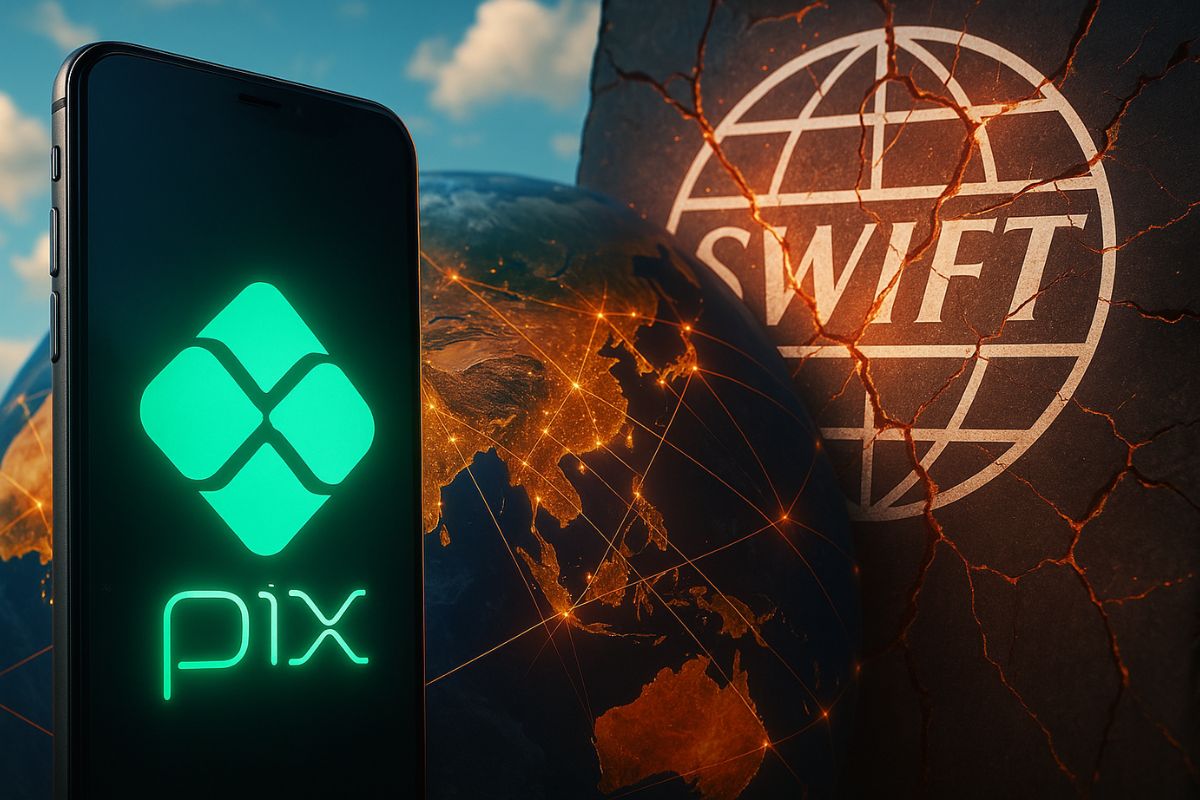


Pix Setting An Example: Countries Adopt Technology to Send Money Abroad. Brazilian Model Inspires Instant Payment Systems Worldwide and Already Serves as a Basis for Faster and Cheaper International Transfers.
The Pix Setting An Example has become a reality. Created by the Central Bank in 2020, the system that revolutionized financial transactions in Brazil is being copied and adapted by several countries. According to experts and ongoing initiatives, Colombia, India, and even blocks of Asian countries are already developing similar projects, targeting not only local operations but also international transfers, which are currently expensive and slow.
The global adoption shows how Pix Setting An Example has become a reference in financial inclusion. In Brazil, it has already placed over 70 million people in the banking system, according to the Central Bank itself. Now, the experience may shape the future of global transactions, gradually replacing dependence on the Swift network.
Why Pix Setting An Example Gained Strength Outside Brazil
One of the central reasons for Pix’s success lies in its near-instant settlement time and free pricing for individuals. This combination has attracted everyone from large companies to small merchants and everyday consumers.
-
Brazil to Issue “Panda Bonds” in China, Aiming to Raise Up to 5 Billion Yuan at Lower Interest Rates Than Dollar Debt
-
NATO Faces Internal Tensions as U.S. Pushes for Increased Defense Spending, Targeting 5% of GDP by 2035, with Warnings for Countries Near 2% Level

-
Brazil to Introduce B16 Diesel with Increased Soybean Oil Content for Trucks by 2026
-
Brazil’s July Bolsa Família Payments May Include Extra $150 and $50 for Families with Children, Pregnant Women, and Updated CadÚnico Registration


In Colombia, for example, the Bank of the Republic is developing the Brevê, directly inspired by the Brazilian model. In India, the UPI (Unified Payments Interface) follows the same principles, integrating digital wallets, banks, and consumers. These cases show that Pix Setting An Example is not a coincidence, but rather a new market standard.
The Challenge of International Transfers
While money arrives in seconds in Brazil, the situation abroad is still different. International payments rely on the Swift network, which involves intermediary banks, high fees, and time frames that can exceed business days.
Because of this, the major discussion now is about the interoperability of instant payment systems. Projects like Nexus, which connects Southeast Asian countries, are already conducting tests to allow a Colombian or Indian Pix to communicate with foreign banks in real-time. This could reduce remittance costs, speed up trade, and minimize financial exclusion on a global scale.
Brazilian Companies Export Technology
In addition to central banks, Brazilian companies are also benefiting from this movement. EBANX, for example, founded in Curitiba, operates in more than 16 countries processing local payments and connecting consumers to international platforms. This expertise shows that Pix Setting An Example has also created opportunities for Brazilian companies to influence the global digital payments ecosystem.
According to industry executives, the key is to adapt technology to each market. In Nigeria, for example, there is a local brand called Verve, which dominates transactions and needs to be integrated into global solutions. The same is true in Egypt, Mexico, and other markets, each with its specificities.
The Pix Setting An Example is more than a Brazilian success story: it has become a model of innovation that the whole world is watching. With the expansion of similar systems and the search for international integration, it could be the foundation of a new era in global payments, marked by speed, inclusion, and lower costs.
And you, do you believe that Pix Setting An Example can really replace Swift and make international remittances as fast as in Brazil? Leave your opinion in the comments — we want to hear your thoughts on the future of payments.







Vai ser ótimo ter o sistema Pix para o mercado global, afinal quem precisa de transferência internacional depende muitas vezes de agilidade mas o sistema atual além de taxas caras é lento …
A utilização do Pix em escala global substituirá outra forma de pagamento no comércio mundia, facilitando e agilizando as transferências de pagamentos como está fazendo no Brasil, beneficiando a sociedade como um todo no mundo.
Mas danificando profundamante a economia dos bancos americanos. Deixando eles putassos kkkkkkkkk
Melhor coisa que inventaram, moro no exterior e uso empresa de remessa para enviar dinheiro ao Brasil que tambem usa o sistema PIX sem burocracia em 10 minutos esta na conta do favorecido.É o Brasil dando lição ao mundo.Parabens meu Brasil que tanto amo.