Portuguese
  Spanish


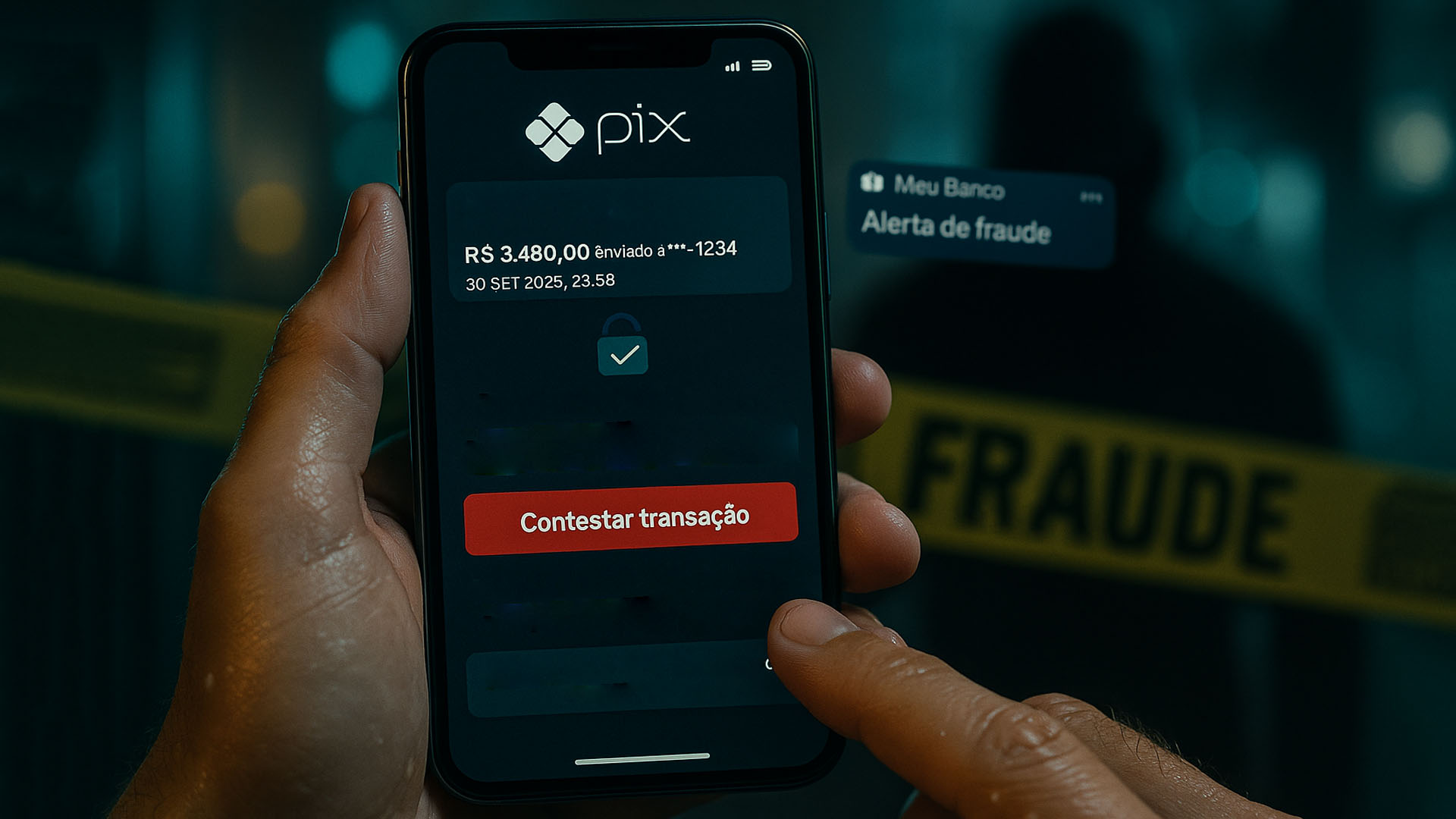


Central Bank Resource Allows Contesting Fraud, Scam, and Coercion Directly in the Bank’s App, with Immediate Blocking and Possible Refunds within 11 Days.
The Central Bank confirmed on Tuesday (Sep 30, 2025) the debut of the “dispute button” for Pix this Wednesday (Oct 1, 2025). This feature, accessible in bank and fintech apps, is the self-service of the MED (Special Refund Mechanism) and was created to respond quickly to fraud, scams, and coercion. It does not apply to typing errors or buyer’s remorse.
When triggering the button, the request proceeds digitally and without human interaction. The receiving institution receives the alert and blocks the available resources, including partial amounts. After that, institutions assess the case for up to 7 days; if fraud is confirmed, the refund occurs within 11 days after the dispute.
This measure aims to close the “window” used by criminals to quickly drain accounts and disperse amounts, making it difficult to return the money to victims.
-
Major Appliance Manufacturer Closes Factory in Argentina, Shifts Production to Brazil, and Restructures in Latin America with Mexico Closure, Investing Up to $165 Million

-
China to Revive $3.6 Billion Mega-Dam Project in Myanmar, Stalled Since 2011, Promising 6 GW Capacity and Completion in Eight Years

-
Foreign Company Wins Auction for Brazil’s First Immersed Tunnel, a $1.3 Billion Project with $14 Million Contract Under Federal Investigation

-
China’s Century Megaproject Wows the World: Massive Water Transfer Network Moves Water from Wet South to Arid North, with Ambitious Plans in the Tibetan Plateau Involving Giant Tunnels at Altitudes up to 4,000 Meters




According to the Central Bank, this new feature complements the recent improvements to the MED, announced in August, to strengthen the security of Pix.
How the Pix Dispute Button Works
The user enters the app of their institution and triggers the dispute button in the Pix section. The occurrence record is instantaneous and activates the MED flow between their bank and the recipient’s bank. No need to speak with a representative.
Upon receiving the alert, the suspected party’s bank must immediately block any balance associated with the transaction. Partial blocks are allowed when the full amount is not available.
Both banks have up to 7 days to investigate. If fraud is confirmed, the refund is made directly to the victim’s account, with a maximum timeframe of 11 days counted from the dispute. Transparency and traceability are required throughout the process.
If the dispute does not prove fraud, the block is released and the amounts return to the recipient.
When the Button Does Not Apply
The BC emphasizes that the tool does not apply to buyer’s remorse, sending errors (for example, incorrectly typed key) or commercial disagreements with a good-faith seller. These cases follow other avenues for assistance and mediation.
It also does not cover situations where there is no indication of crime. The MED was designed for fraud, scams, or coercion. Civil disputes over product/service quality remain outside its scope.
In legitimate transactions, even if there are later misunderstandings, there is no compulsory debit in the recipient’s account without evidence of fraud.
Why the Central Bank Created This Function Now
The BC has been enhancing the MED to increase the effectiveness of refunds. On Aug 28, 2025, it published rules to expedite blocks and adjust operational responsibilities, preparing the ground for the self-service now launched.
In practice, the “dispute button” reduces the time between the victim’s report and the freezing of funds, increasing the chance of recovery. The automated communication between institutions is the differentiator.
Pix remains a critical infrastructure in the country, with mass reach and daily use. Speed with security is the regulatory priority.
Impact on Banks, Fintechs, and Users
Institutions will need to maintain quick response to MED alerts and more refined anti-fraud monitoring to block resources in time. This improves recovery time and discourages wash-out of funds by gangs.
For users, the gain is in usability: less friction, single channel, and clear deadlines. For the market, there is standardization of the dispute flow and reduction of losses due to fraud.
Experts see the measure as an evolution of the MED, part of a package of regulatory enhancements aimed at user protection and competitiveness of the payment system.
Want to share your opinion? Comment below, do you think the button should include buyer’s remorse and typing errors in the future, or remain focused only on crimes? Would the expansion enhance protection or create risk of abuse and insecurity for sellers?