






 Portuguese
  Spanish


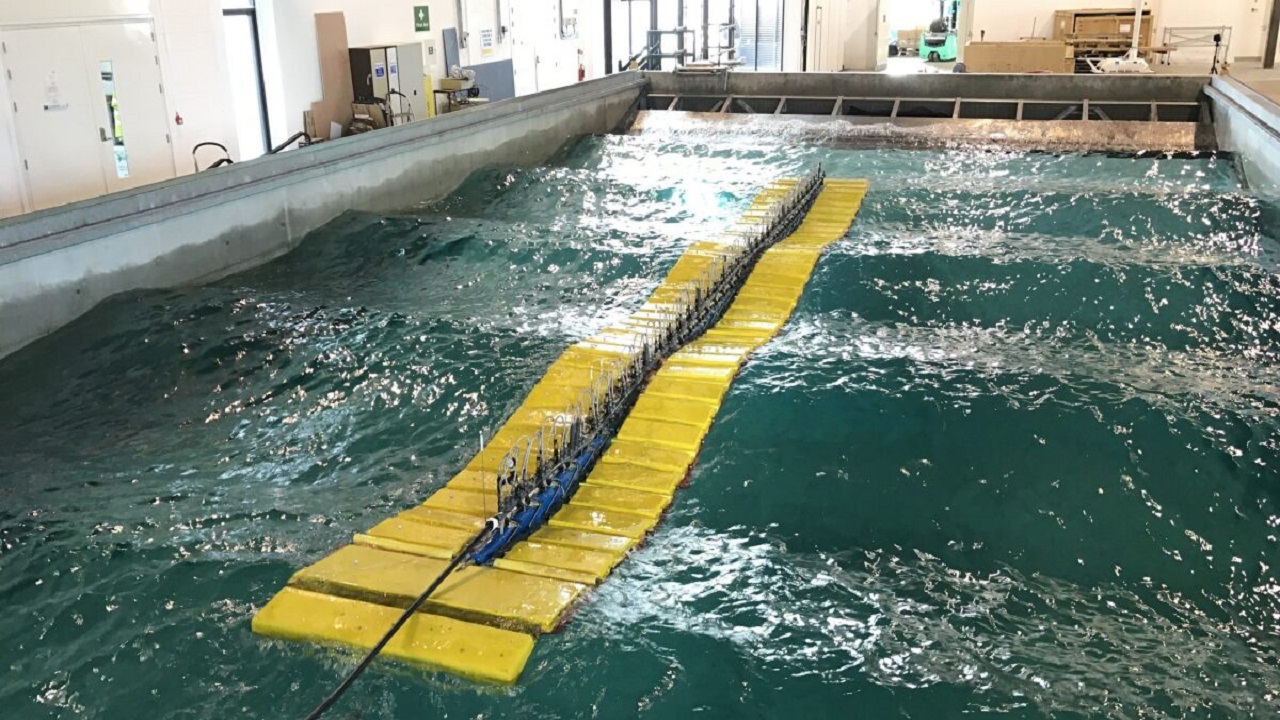

The British Sea Wave Energy Limited Developed a Floating Renewable Energy Platform Capable of Generating Energy Through Waves. The Equipment Features a Simple Design, Easy Installation and Maintenance.
The production of renewable energy is one of the most urgent challenges faced for the development of a sustainable future, with many technologies and research being developed to replace the use of fossil fuels. Solar and wind energy are gaining more and more space, however, in coastal cities, wave energy is also standing out. This is the case of the British company Sea Wave Energy Limited (SWEL), which created a pilot project for a floating platform that converts wave energy into electricity, and the platform was named Waveline Magnet.
Floating Platform Using Wave Energy Undergoes Testing
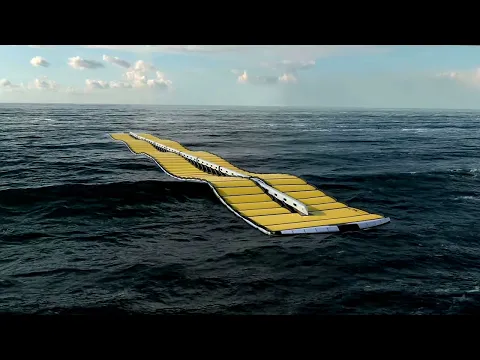

The equipment is a floating platform composed of several parts in a system interconnected by a column. Designed to be lightweight and modular, the structure that generates renewable energy is, at the same time, robust enough to withstand any aquatic environment, even oceans with giant waves.
The design is very simple and also features great ease of maintenance and installation. The design of the floating platform powered by wave energy was developed from recyclable materials such as reinforced plastic, which truly contributes to the sustainability of the device.
-
Brazilian scientists are simultaneously advancing two research projects on clean hydrogen and driving solutions that could transform the energy matrix, enhance industrial competitiveness, and accelerate large-scale emission reduction targets.

-
Advancement in renewable energy: A R$ 150 million project launched by Petrobras and Finep aims to create state-of-the-art electrolyzers for green hydrogen, strengthening national research and preparing Brazil to compete in a billion-dollar energy market.
-
Illiterate or semi-literate grandmothers were trained to repair solar systems, open rural workshops, and light up homes that still depended on kerosene.
-
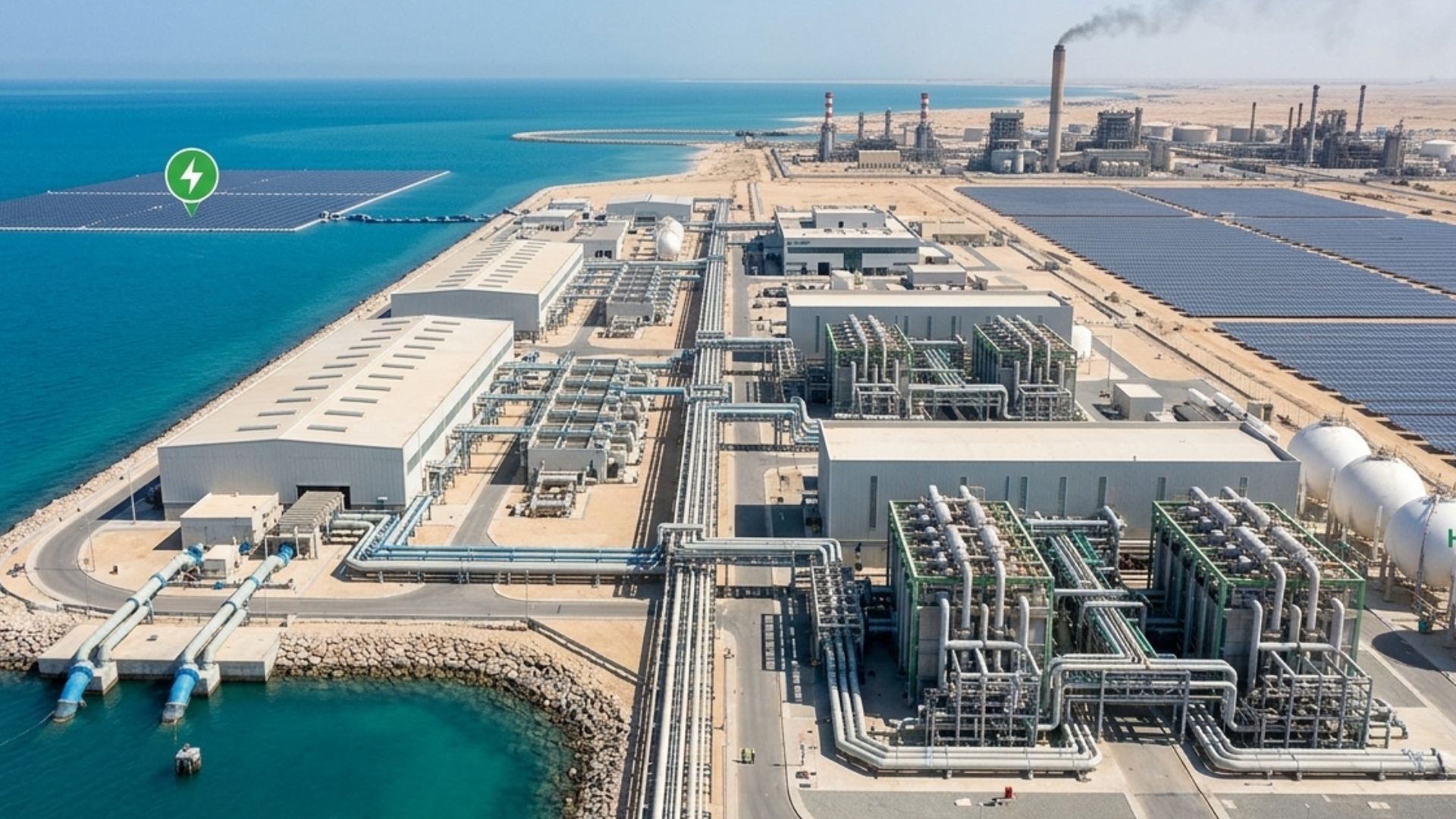
The world has bet on green hydrogen as the fuel of the future, but now faces the side effect: producing 1 kilogram requires about 9 liters of ultrapure water, and the largest projects on the planet are precisely in the driest regions of the Earth, where water is already scarce for people.



A single platform has a capacity to generate 100 MW of energy, according to initial tests. The equipment has already undergone testing in controlled environments and even in open waters and, depending on the tide and wave energy, energy generation can increase.
The waves move buoys installed in the renewable energy generator, creating movement in each of the parts connected to a central column by arms and levers. The movement of the floats triggers these levers that are connected to a relatively fixed column, and the vertical movements activate individual generators connected to each float.
Floating Platform Can Operate with Any Wave Height
When the wave energy reaches the floating platform, the system obtains a reading of the size and speed of the wave, allowing energy extraction in each generator to be adjusted as the wave moves along the line.
Thus, SWEL ensures that the machine operates in any type of wave and that large wave conditions do not negatively impact the performance of the device; on the contrary, they enhance performance without survival complications.
The continuous renewable energy generated by the equipment can be sent back to the shore through a cable or used directly by offshore energy consumers. It took over 10 years of research and testing to reach this floating platform. The result is a product that can generate renewable energy at a very low cost, according to the developer itself.
SWEL states that it is still collecting data, with performance information and scale projections, numerical modeling, technical-financial studies, feasibility studies, and the technology’s performance level yet to be disclosed. For the platforms to be manufactured on a large scale, more rigorous testing will be needed, in addition to companies and consumers willing to experiment with this type of technology.
Floating Solar Mat
The Dutch company Solar Duck developed a solar mat that can generate renewable energy offshore. Generally, floating solar plants are integrated with other modes of energy generation, and this is the case for the company that will test its system in Belgium and also integrated with wind turbines.
The company’s idea is to develop a triangular solar plant designed to float several meters above the water. Thus, the module sways with the waves like a mat, aiding in the installation and maintenance of its electrical components.









