Portuguese
  Spanish



The Senate Approved the Regulatory Framework for Offshore Energy Generation. The Text Aims to Boost Brazil in the Segment, Making It More Competitive.
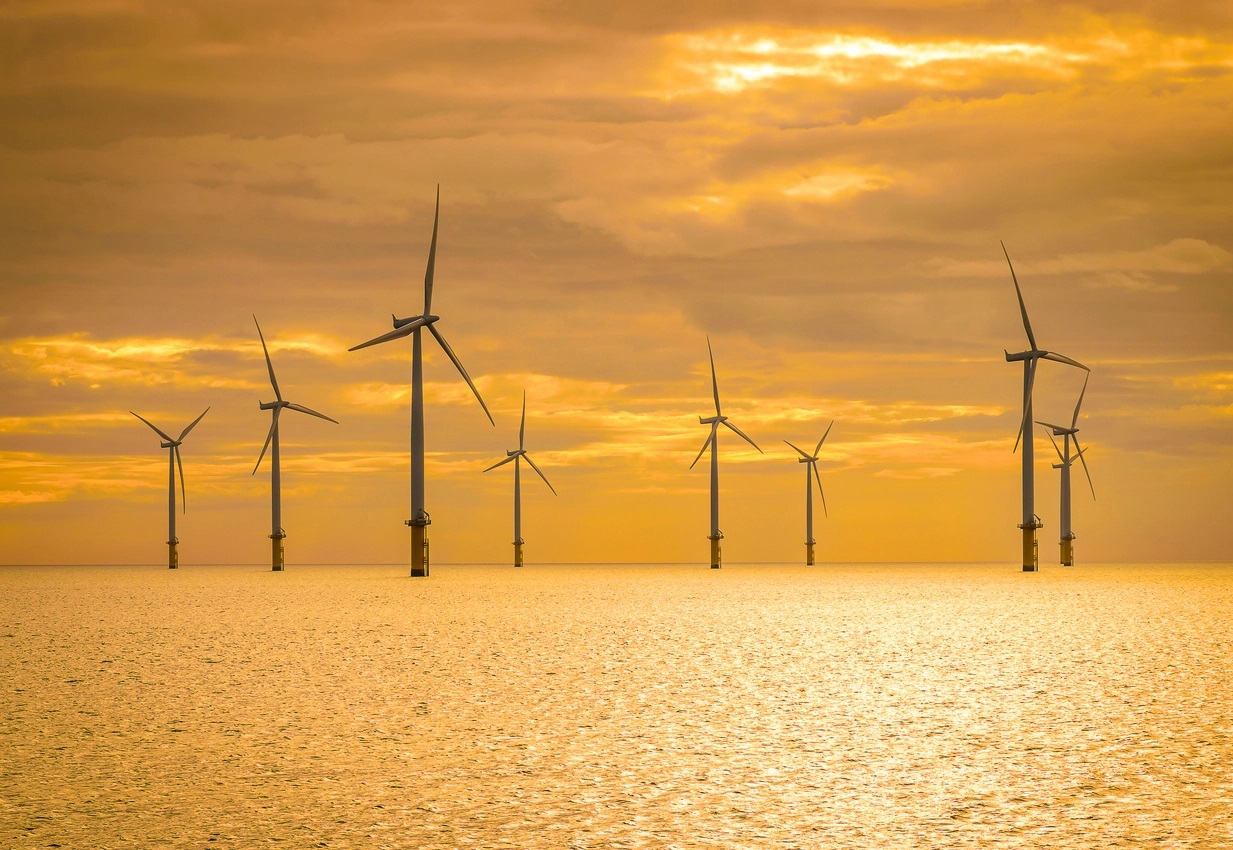
The Federal Senate has just approved the regulatory framework for offshore energy exploration in Brazil. The document was voted on by the Infrastructure Services Commission and presents guidelines for the authorization of offshore wind, solar, or wave energy parks throughout the national coastline. Bill No. 576/2021 is authored by Senator Jean Paul Prates and replaced the text authored by Senator Carlos Portinho in a terminative manner. Thus, the offshore energy document should be forwarded directly for consideration in the Chamber of Deputies, and if approved, it will await the president’s sanction to come into effect as law.
Document Intended for Offshore Energy Ventures Outside the National Coast


The text approved by the Senate addresses the utilization of Union assets for the generation of offshore wind energy. The approved proposal establishes the granting of the right to use these assets for electricity generation or authorization-based concession.
The rule is valid for ventures located outside the country’s coastline, such as the continental shelf, territorial sea, and the Exclusive Economic Zone (EEZ). The document was approved on July 12; however, the rapporteur of the process, Carlos Portinho, presented a vote complement on the 17th of this month.
-
Brazilian scientists are simultaneously advancing two research projects on clean hydrogen and driving solutions that could transform the energy matrix, enhance industrial competitiveness, and accelerate large-scale emission reduction targets.

-
Advancement in renewable energy: A R$ 150 million project launched by Petrobras and Finep aims to create state-of-the-art electrolyzers for green hydrogen, strengthening national research and preparing Brazil to compete in a billion-dollar energy market.
-
Illiterate or semi-literate grandmothers were trained to repair solar systems, open rural workshops, and light up homes that still depended on kerosene.
-
The world has bet on green hydrogen as the fuel of the future, but now faces the side effect: producing 1 kilogram requires about 9 liters of ultrapure water, and the largest projects on the planet are precisely in the driest regions of the Earth, where water is already scarce for people.





The analysis focused on new consultations with public agents, technicians, and private sector representatives to eliminate misinterpretations of the provisions. Portinho believes that it was possible to improve the text, which organizes the offshore energy authorization or concession process in the best possible way. In case of competition, there is no way to avoid bidding.
Brazil Will Be More Competitive with the Arrival of the Offshore Energy Framework Approved by the Senate
Portinho highlights that this way there will be remuneration for the Brazilian State, making it possible to invest in infrastructure.
The author of the text approved in the Senate, Jean-Paul Prates, states that the opening of the wind energy market, solar, and others in the offshore modality in the country presents itself as a significant competitive differential that can serve as an entry point for new investments in the country.
This project is not limited to just one source of energy and concerns the ownership of the territorial sea, exclusive economic zone, continental shelf, and other inland water bodies, including lagoons, water mirrors, and lakes, to be used for energy generation.
New Bill Text Focuses on Offshore Wind Energy Ventures
According to Prates, the project is ready for ‘anything that has yet to be invented’ using the force of the sea. Although it is comprehensive, the text approved by the Senate focuses on offshore wind energy ventures.
Jean emphasizes the need for a legal framework, considering that it involves a whole set of public assets where total legal security is necessary for investors to make their significant investments.
According to information from Ibama, as of January this year, the country had 37 offshore wind energy projects in licensing, totaling around 80 GW of installed capacity in at least 25 areas with some level of area overlap. Currently, there are 66 projects in open environmental licensing with the entity, according to data from August 2. There are 169,441 MW of total capacity.