Portuguese
  Spanish


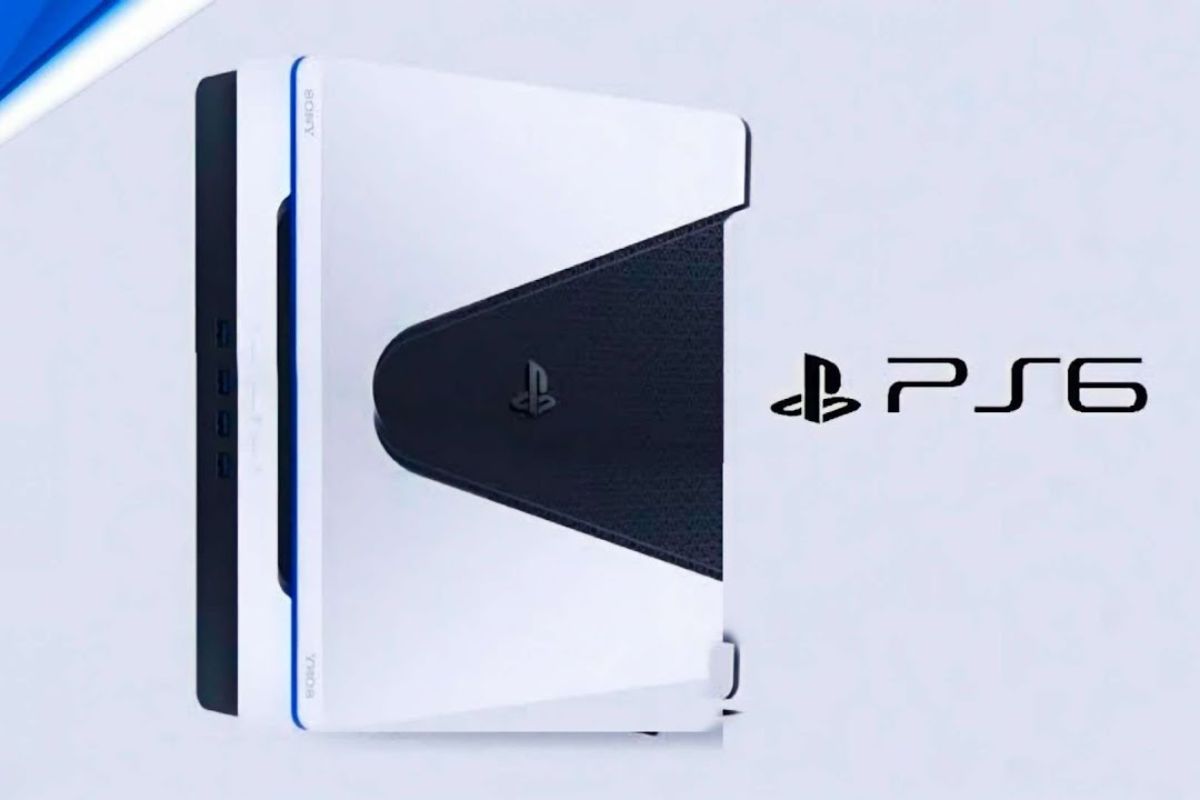


PlayStation 6 Points to 2027, With Window Until 2028, and No Official Announcement of Delay. Leaks Mention Sony’s Behind-the-Scenes, Contract With AMD for the APU, and Flexibility to Define DRAM Later. The RAM Crisis May Increase Price, but the Timeline Remains Under Caution and Economic Pressure
Expectations for the next generation have grown following unofficial new information suggesting that the PlayStation 6 could arrive in 2027, maintaining the timeline even amid the global crisis and fluctuations in the semiconductor market. The absence of an official date has not hindered the window between 2027 and 2028 from gaining traction, reducing fears of significant delays.
The scenario, however, remains conditioned on a sensitive point: the cost of components, especially memory. The industry is observing the impact of the RAM crisis on the final price, while Sony attempts to maintain the balance between performance, cost, and launch timing.
What the Leaks Say About Delay and Internal Decisions

According to the informant Moore’s Law Is Dead, Sony has not made a final decision about delaying the console.
-
World Cup Ball Chip Uses Technology to Detect Invisible Touches, Confirms Offside, Secures Portugal’s Victory Over Croatia

-
36-Meter Hydrogen-Powered Superyacht Arrives in Brazil to Debut German Engines and Showcase Future of Clean Navigation

-
Indian Students from Jaipur Win Top Prize at World’s Largest Science Fair with EcoFog, an Affordable Mesh to Harvest Fog Water Without Energy

-
Italy Sinks Massive 11-Story Concrete Structures in the Ligurian Sea to Create a 6.2 km Barrier, Clearing the Way for 400-Meter Ships in Genoa



In practice, this supports the reading that the original window remains alive, even with internal discussions about risks and priorities.
The described assessment is one of caution: executives are continuing to calculate the next steps before any change in direction.
The premise is to avoid rash decisions and deliver a console experience that justifies the wait, without turning the calendar into an unstable promise.
Why the Memory Crisis Became the Main Risk Factor


The portal Insider Gaming has warned that the high price of components is putting pressure on the industry, with a focus on memory.
The RAM crisis is treated as a problem that could increase the product’s cost to consumers, affecting the commercial viability of the launch.
Behind the scenes, the main concern is to prevent the final cost from becoming prohibitive.
As the semiconductor market fluctuates, the strategy shifts to adjusting technical choices to reduce the risk of a powerful console being too expensive for the audience.
The Role of AMD, the APU, and Flexibility to Define DRAM
The recurring information is the existence of a firm contract with AMD to create the “heart” of the videogame, the APU, by 2027.
A relevant point is that Sony can decide the exact amount of DRAM memory later, when the technology is more mature and prices, potentially, more predictable.
This flexibility works as a control valve: it allows for calibrating performance and cost-effectiveness close to the launch target, without locking specifications too early in a rapidly changing market.
Divided Backstages and What May Determine the Real Calendar
The internal readings described are not unanimous.
There is skepticism about the original date, but there is also an indication that no delay has been officially confirmed, which keeps 2027 as the main target in unofficial discourse.
Three ideas appear as the axis of the debate:
Tom Henderson, from Insider Gaming, maintains skepticism about fully keeping the timeline.
Sources connected to hardware indicate that there is no confirmed delay.
The potential drop in costs by 2027 is treated as the deciding factor for whether the debut occurs without changes.
Price Until 2027: Drop in Components or More Expensive Console
The possibility of the price becoming more competitive by 2027 depends on the stabilization of the technology market.
If the costs of essential components decrease, Sony could sustain the debut without losses and without charging exorbitant amounts.
The technical point turns into a market equation: powerful machine with an acceptable price.
The presented reading is that accessibility weighs as much as graphics and performance, because the next generation needs to sell at scale to establish itself.
When Will the Public Be Sure About the New Generation
Even without an official date, the long-term planning is described as solid and adaptable.
The picture is one of caution, but with preserved expectations as long as there is no announcement of delay.
What is indicated is:
2027 remains the primary target for the start of the new era.
The price of memories could push the window closer to 2028.
Without an official announcement of delay, the timeline remains intact.
In your opinion, what influences the future of PlayStation 6 the most: cost of RAM, definition of DRAM, or Sony’s launch strategy?