






 Portuguese
  Spanish


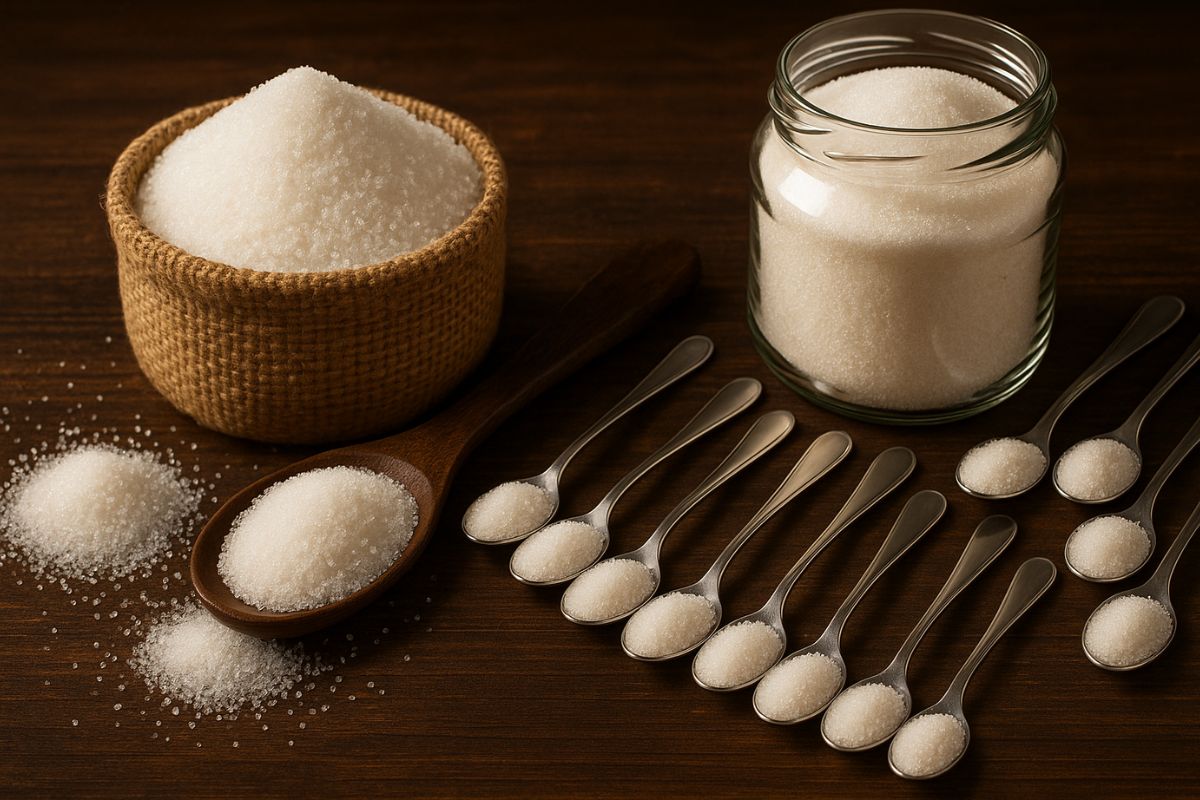

Experts Warn That Sugar Consumption in Brazil Reaches Alarming Levels, Directly Impacting Pain, Inflammation, and Risk of Serious Diseases.
The average Brazilian consumes 30 kilograms of sugar per year, which is equivalent to about 18 teaspoons daily. The World Health Organization (WHO) recommends a maximum of five teaspoons per day. Excessive intake has been pointed out as one of the main drivers of inflammatory processes in the body, joint pain, and chronic diseases.
According to Dr. Fernando Lemos, creator of the Planet Intestine channel, sugar is one of the most inflammatory foods in modern life.
In addition to being present in sweets and beverages, it is hidden in processed products such as savory biscuits, tomato sauces, box juices, ketchup, and even ham. Uncontrolled daily consumption puts health at silent risk.
-
Iowa Teen Turns Farming Simulator Success into Reality, Buys 250-Acre Farm for $1.8 Million with 1.3 Million YouTube Subscribers

-
Santos Transforms Brazil’s Largest Stilt Slum with $5.7 Million Project, Replacing Shacks with Elevated Homes and Infrastructure

-
Motorcycle Accident Inspires World’s First Fully Automated Cassava Biscuit Factory Producing 1,000 Tons Monthly

-
Attention Brazilian Tap-to-Pay Users: Quick Transactions May Conceal Important Details Noticed Only Post-Purchase


How Much Sugar Does the Population Actually Consume
The figure of 30 kilograms per year means that most of the population ingests almost 90 grams of refined sugar every day.
In comparison, the WHO’s maximum recommendation is only 25 grams per day. This difference has serious consequences, according to Dr. Fernando Lemos: “Sugar is fuel for inflammation, chronic pain, and even tumor growth.”
Many believe they consume little sugar, but processed products hide large amounts of the ingredient.
A simple ready-made sauce or cookie can contain several teaspoons. This excess, over the years, overloads the body and increases the risks of diabetes, hypertension, and autoimmune diseases.
Why Sugar Is So Dangerous


Refined sugar causes spikes in blood glucose, forcing the pancreas to release high doses of insulin. This constant process creates an inflammatory environment, encourages weight gain, and harms gut microbiota.
According to Fernando Lemos, excess sugar accelerates cellular aging and is associated with muscle pain, arthritis, cancer, and even neurodegenerative diseases such as Alzheimer’s.
The specialist cites clinical cases: patients who eliminated sugar for 21 days reported a drastic reduction in body aches, confirming the direct relationship between high consumption and inflammatory processes.
Where Sugar Is Hidden in Daily Life
Aside from sweetened coffee and desserts, sugar appears disguised in foods that many consider “harmless”.
Ready-made sauces, industrialized broths, breads, cookies, box juices, processed meats, and sodas contain high amounts.
Dr. Fernando Lemos emphasizes: “Reading labels is essential. Often sugar is present in products you might not even imagine consuming like sweets.” This care is the first step to reducing intake without realizing it.
Is It Worth Reducing Sugar?
According to specialists, it’s very worthwhile to decrease sugar consumption. The benefits go beyond disease prevention: improved energy, reduction of chronic pain, hormonal balance, and strengthening of the immune system.
Substituting with whole foods rich in fiber helps reduce glucose spikes and protects gut health.
The recommendation is to replace sugary drinks with water, include whole fruits instead of industrialized desserts, and seek whole options in breads, pasta, and cookies.
These small changes can significantly reduce sugar intake without the need for radical cuts.
The excessive consumption of sugar in Brazil is alarming: 18 teaspoons per day compared to only five recommended by the WHO.
This reality directly affects the population’s health, causing inflammation, pain, and increasing the risk of serious diseases.
And you, have you ever tried to reduce sugar in your daily life? Did you notice any difference in your body, energy, or even in pain?
Leave your experience in the comments as your story can help others rethink their habits.


