






 Portuguese
  Spanish
  4 min of reading
  0 comments


Discover How History, Technology, and Politics Intertwine, Highlighting the Importance of Those Who Developed the Atomic Bomb and How It Continues to Influence the Modern World
During World War II, the race to develop the first atomic bomb was one of the most critical moments in modern history. While the United States and Nazi Germany competed to achieve this devastating technology, the outcome of this dispute not only decided the fate of the conflict but also shaped global security in the decades that followed.
The victory of the United States in the creation of the atomic bomb, through the Manhattan Project, not only ensured the end of the war but also prevented the most destructive weapon of humanity from falling into the hands of a totalitarian regime, forever changing the balance of global power.


1. The Race for the Atomic Bomb: The Manhattan Project vs. the German Nuclear Program
World War II was marked by the technological race between the involved powers, and the creation of nuclear weapons was one of the greatest challenges. In the United States, the Manhattan Project, initiated in 1942, brought together some of the brightest scientists of the time, such as Robert Oppenheimer, Enrico Fermi, and Niels Bohr. The goal was clear: to develop a weapon that could ensure victory for the Allies.
-
Ukraine launches largest drone attack on Moscow since 2022, Russia claims to have intercepted nearly 200 aircraft near the capital, Kapotnya refinery targeted again, and offensive reignites alert about war reaching the Russian energy heart just a few kilometers from the Kremlin.

-
Truck drivers, freight, and fines from 2022 take center stage in politics: Chamber approves MP with amnesty, mandatory tracking by CIOT, million-dollar penalties, and new minimum wage for those who spend more than 24 hours on the road.

-
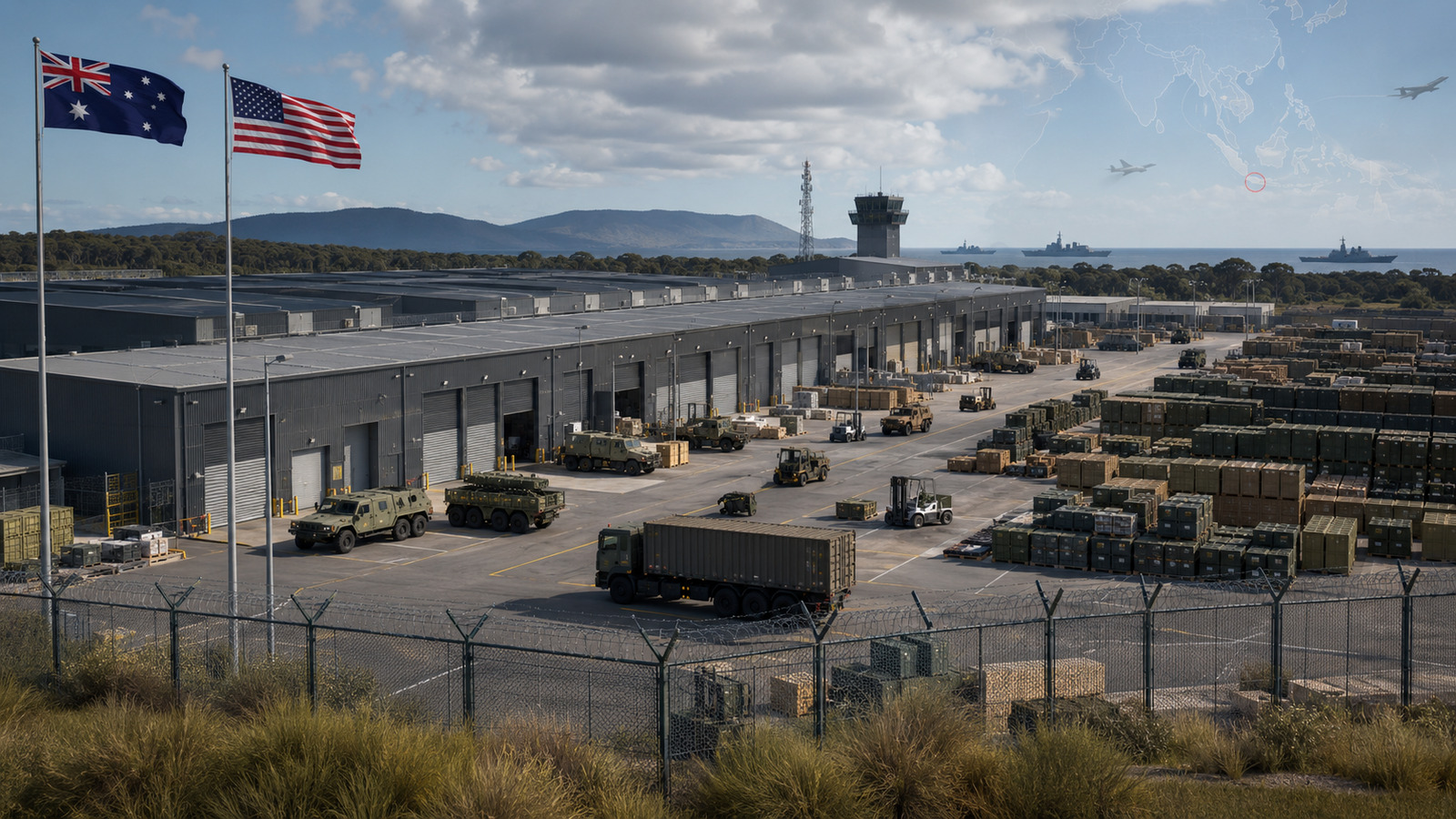
China off the radar: US plans mega $30 million weapons depot in Australia, out of reach of most Chinese missiles, with full capacity expected by 2028

-
Trump’s wall advances at a rapid pace: government promises to complete a barrier of over 3,000 km by 2027 while drones and cartels turn the US border into a new field of technological dispute



Meanwhile, Germany, under Adolf Hitler, was also engaged in developing its own atomic bomb. The German nuclear program began in 1939 but suffered from a lack of resources, internal disputes, and the migration of many Jewish scientists to the West, which significantly weakened German progress.
2. Technical Advances: How the U.S. Surpassed Germany in Nuclear Research
The United States, through the Manhattan Project, invested about 2 billion dollars (equivalent to more than 25 billion dollars today) and employed over 130,000 people in a colossal effort. The use of advanced uranium enrichment techniques and the creation of the first nuclear reactor were crucial steps that led to the construction of the bombs dropped on Hiroshima and Nagasaki in August 1945.
In contrast, Germany faced considerable technical difficulties. The use of heavy water as a moderator in the nuclear reactor, a decision that proved ineffective compared to the graphite used by the Americans, delayed progress. Furthermore, the bombing of strategic facilities, such as the heavy water plant in Vemork, Norway, by the Allies further hindered German efforts.
3. The Global Impact of the American Atomic Bomb
The use of atomic bombs by the U.S. in Hiroshima and Nagasaki resulted in the unconditional surrender of Japan and the end of World War II. The demonstration of the devastating power of nuclear weapons established the United States as the leading global power and initiated the nuclear era.
If Nazi Germany had developed the atomic bomb before the United States, the global scenario could have been drastically different. Hitler, known for his aggression and lack of scruples, could have used the bomb to impose total domination over Europe, and possibly the world. The prospect of a nuclear-armed Germany is frightening, given the totalitarian and genocidal regime of the Third Reich.
4. The Doctrine of Deterrence and Global Security
The doctrine of deterrence, which emerged after World War II, was largely based on the existence of U.S. nuclear weapons. The Cold War between the United States and the Soviet Union was marked by a balance of power that prevented direct conflicts between the superpowers, known as Mutual Assured Destruction (MAD). This balance prevented the use of nuclear weapons and ensured a tense but effective peace that avoided a third world war.

If Nazi Germany had possessed nuclear weapons, it is unlikely that such a balance would have been maintained. Hitler’s regime showed no respect for international norms and could have used the bomb to expand its empire, leading to unprecedented global devastation.
5. Final Reflections: The World Under the Shadow of Nuclear Technology
The creation of the atomic bomb by the United States, rather than Nazi Germany, profoundly shaped the modern world. Although nuclear weapons represent a constant danger, the fact that they are in the hands of a democracy, and not a fascist regime, allowed the world to avoid an even greater catastrophe.
Global security today, despite challenges, is a direct reflection of the decisions made during World War II. The development of the atomic bomb by the U.S., combined with the failure of the German nuclear program, was one of the crucial factors for the world order established in the post-war period.





Be the first to react!