





 Portuguese
  English
  Spanish
  3 min of reading
  0 comments


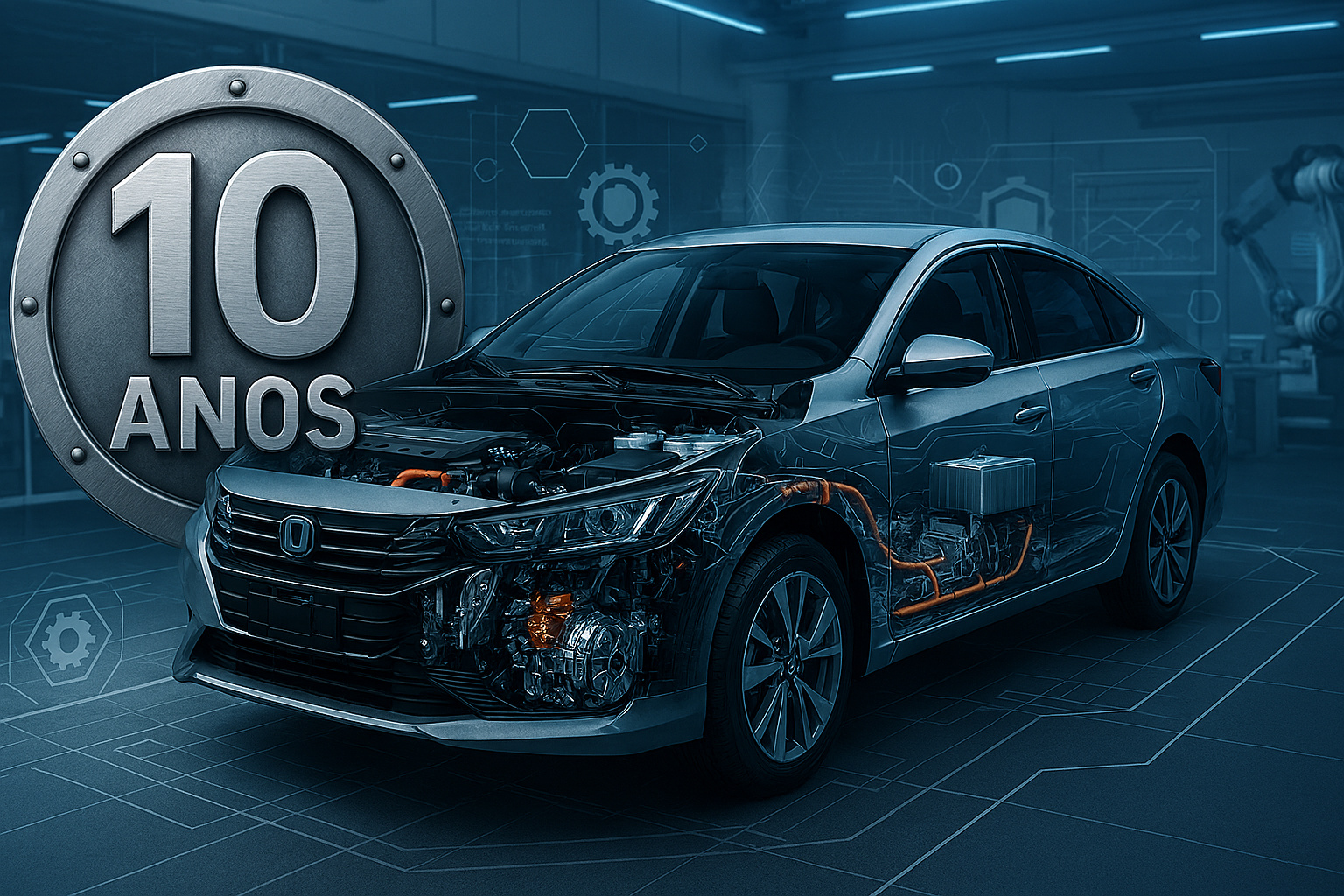
Why Do Asian Automakers Offer Warranties of Up to 10 Years? See How Conservative Engineering, Statistics, and Risk Calculation Support This Strategy.
In recent years, Asian automakers have drawn attention by offering warranties well above the market average, reaching 7, 8, or even 10 years on some models. For the consumer, this seems like audacity or excessive confidence. However, in practice, this decision is neither emotional nor risky. It is the result of conservative engineering, in-depth statistical analysis, and a carefully calculated business strategy.
Long Warranty Is Not Kindness: It Is a Closed Account
No automaker offers extended warranty out of generosity. Before announcing long terms, companies conduct detailed financial simulations, crossing data on failures, repair costs, and customer behavior.
If the numbers don’t add up, the warranty simply does not exist. What the consumer sees as courage is, in fact, statistical predictability.
-
Peugeot publicly acknowledged the errors of the PureTech engine, which caused serious failures in hundreds of thousands of cars, and introduced the new Turbo 100 as a definitive solution, a 1.2 turbo tested for over 3 million kilometers that replaces the faulty belt with a more durable chain.

-
Automatic cars become ‘cheap’ in Brazil, and models from Toyota, Hyundai, Nissan, and Honda appear for R$ 65,000 with up to 120 hp, CVT transmission, 482 liters of trunk space, keyless entry, and six airbags to tackle traffic without a clutch.
-
Honda revives a classic from Brazilian streets with a new name, TFT panel, and reprogrammed engine in the 2027 lineup; see the first impressions of the CB500 Hornet, which arrives with 49.6 hp, 4.5 kgf.m torque, 6-speed gearbox, 175 kg, and Showa suspension on Brazilian streets.
-
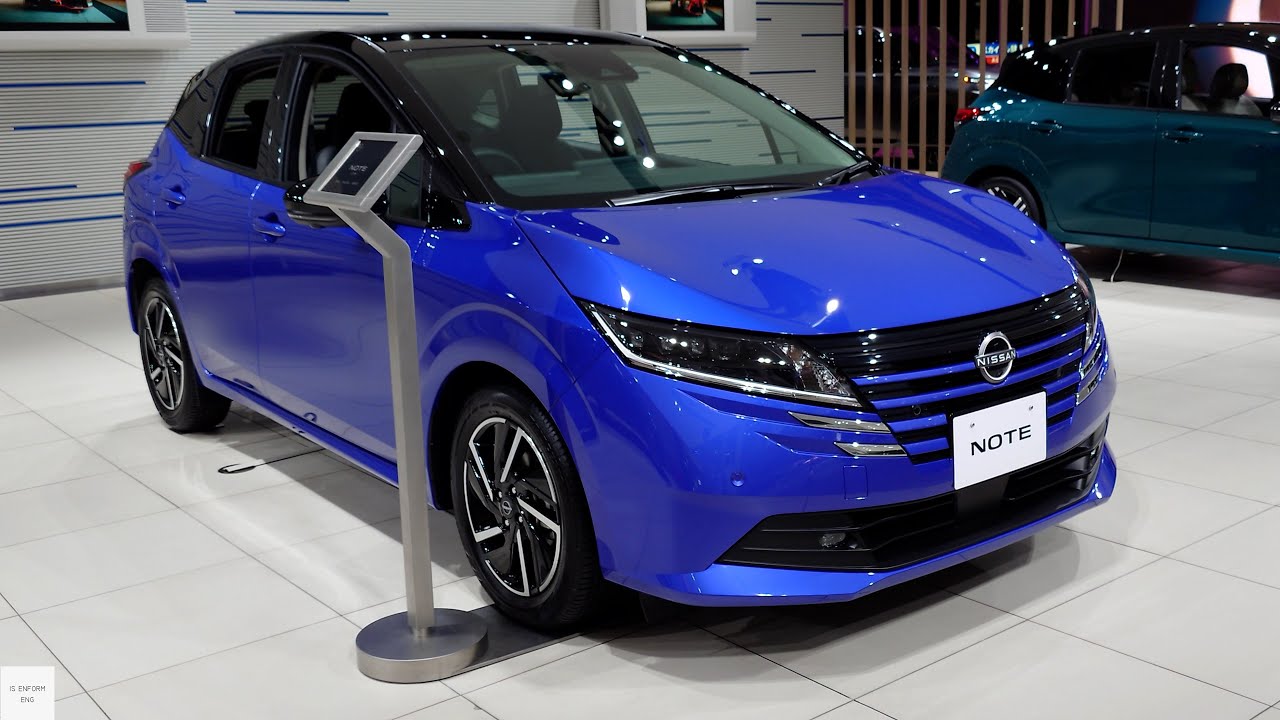
Without relying on an outlet, without a cable, and without the gasoline engine driving the wheels: Nissan created the Note e-POWER, a hatchback that always runs on an electric motor while a combustion engine works only as a generator, delivering to Japan a type of “electric without recharging” that Brazil is almost unfamiliar with.


Conservative Engineering Reduces Risk Before the Sale
The main pillar of long warranties lies in conservative engineering, very common in Asian brands. This means oversized components, lightly stressed engines, and technologies adopted only after years of validation.
While some automakers bet on rapid innovation, the Asian ones prefer designs that age well, even if it costs performance or aggressive marketing.
Component Selection Is More Strict Than It Seems
Another key point lies in the supplier chain. Asian automakers tend to work with fewer suppliers, but they demand extremely strict standards for quality and durability.


Critical parts such as pumps, sensors, electronic modules, and transmissions go through long testing cycles before being approved. This drastically reduces the chance of large-scale failures during the warranty period.
Before launching a long warranty, automakers analyze millions of kilometers driven in tests, in addition to real data from previous fleets. This data allows for precise predictions of when and how a component is likely to fail.
With this, the company can calculate the average cost per vehicle over the warranty period, turning risk into a controllable number.
Long Warranty Is Also a Strategic Marketing Tool
Although technically grounded, the long warranty also fulfills a powerful commercial role. It breaks consumer distrust, especially in markets where the brand is still trying to gain traction.
By offering 7 or 10 years of warranty, the automaker sends the message: “if there’s a problem, the loss is ours”. This lowers the entry barrier and accelerates sales.
Few people realize, but long warranties come with strict maintenance rules. Services must be carried out on time and according to the manual, often at authorized networks.
This ensures that the car receives proper maintenance, reducing failures caused by negligence and protecting the automaker from unnecessary costs.
Why Not All Brands Are Able to Do the Same
Offering a long warranty requires total control over the product, from design to after-sales. Brands with high failure rates, complex electronics, or inconsistent suppliers simply cannot sustain this model.
Therefore, long warranties are more common in automakers that prioritize reliability over fast innovation.
Long Warranty Does Not Mean Indestructible Car
It is important to understand that a long warranty does not eliminate failures; it only indicates that the automaker considers these failures rare and financially manageable.
Wear items remain outside the coverage, and severe use may lead to exclusions. Still, the risk for the consumer is significantly lower.
Long warranties enhance the image of reliability and help maintain resale value, as many cars are still covered even in the used market.
This creates a positive cycle: trust generates sales, sales generate data, and data further refine risk calculation.
Asian automakers do not offer long warranties out of audacity, but due to validated engineering, precise statistics, and cold business strategy. Each extra year of warranty represents a risk already calculated and accepted.
In the end, the long warranty is not just a benefit to the consumer, but a silent proof that the product was designed to last. And in the automotive industry, few decisions are as revealing as this.





Be the first to react!