






 Portuguese
  Spanish


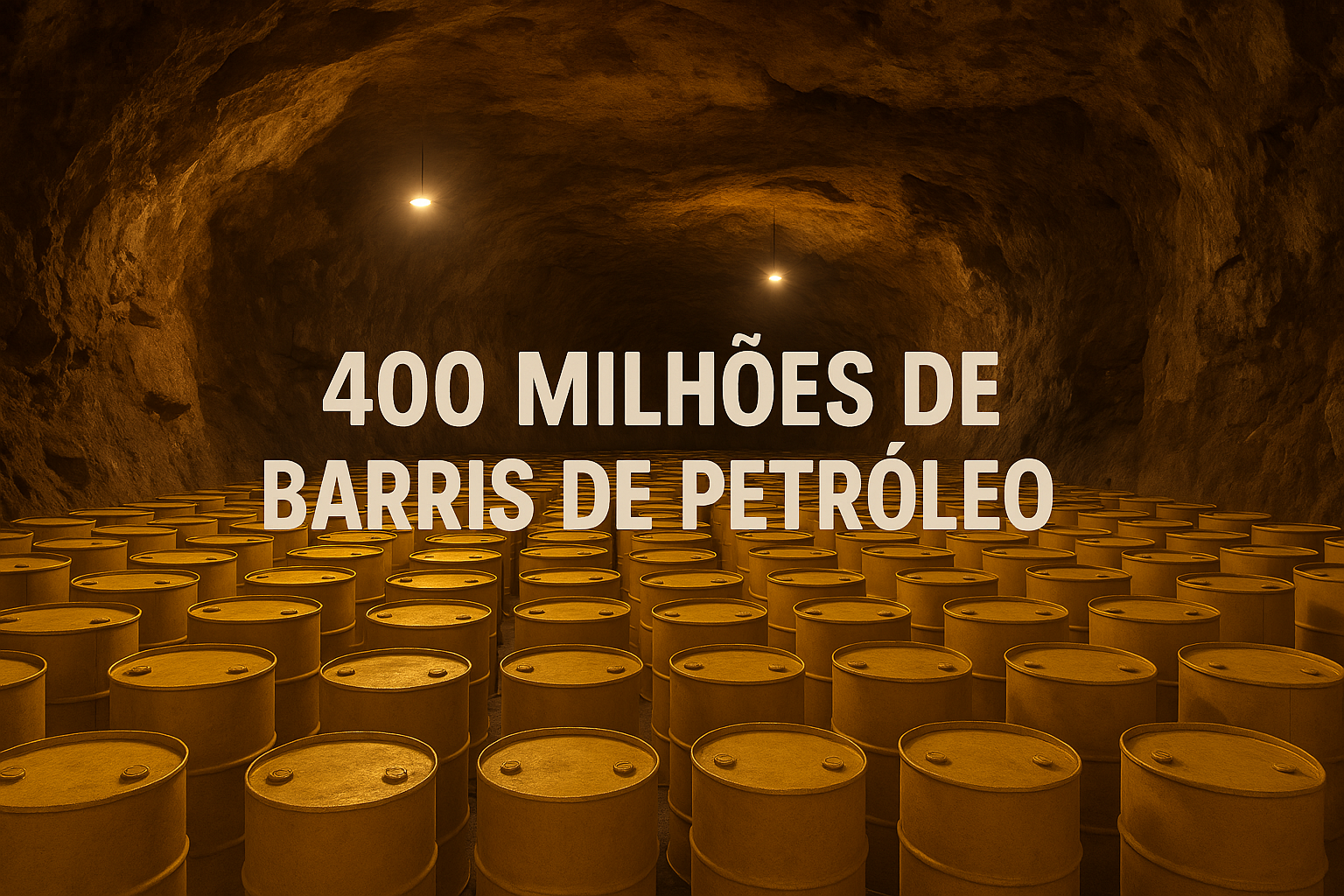

In The United States, Millions Of Barrels Of Crude Oil Are Stored In Underground Caves. This Strategic Reserve Was Created During The 1970s To Protect The Country From Energy Supply Crises. Today, It Continues To Be One Of The Largest Emergency Stockpiles In The World, Acting As A National Insurance In Times Of Global Instability.
Nearly 400 million barrels of oil are stored in caves beneath the soil of Texas and Louisiana. That’s right. Oil, underground. It’s not just any deposit.
It is the Strategic Petroleum Reserve of The United States, known by the acronym SPR. It has existed since the 1970s and is considered an important asset in U.S. energy and geopolitical policy.
A Giant Underground Reserve
The SPR is distributed across 61 caves, all along the Gulf Coast. These are salt domes, natural formations that formed millions of years ago. These structures are located between 600 and 1,200 meters deep.
-
OPEC+ Boosts Oil Supply by 188,000 Barrels per Day in July 2026, Leading to Price Drop from $112 to $89 per Barrel in Under Two Months

-
TotalEnergies Signs 20-Year Deal to Purchase 2 Million Tons of LNG from Alaska, Boosting Project Viability
-
Turkey Deploys Çağrı Bey Drilling Ship to Explore New Oil Frontier Off Somalia’s Coast
-
Golden Pass LNG Ships First Liquefied Gas Cargo from the U.S., Completing $10 Billion QatarEnergy and ExxonMobil Investment



But why use salt caves? Because they are sal? They prevent leaks, do not pollute the environment, and are cheaper than building giant tanks on the surface. This makes them an ideal place to store crude oil.
The total capacity of the SPR is 714 million barrels. Currently, according to data from March 28, 2025, there are 396.4 million stored. There has been more. The record was in December 2009, with 726.6 million barrels.
The Origin: Crisis and Scarcity
The idea for the SPR was born out of a crisis. In 1973, a coalition of Arab countries imposed an oil embargo against the U.S. and other nations that supported Israel during the Yom Kippur War. The result: chaos in the market, soaring prices, and long lines at the gas stations.
The shock was so great that the U.S. government decided to create a strategic reserve. The mission was clear: to protect the country against new interruptions in oil supply, whether due to wars, natural disasters, or international crises.
The control of the SPR is managed by the U.S. Department of Energy. The reserve can release oil to the domestic market, helping to lower prices. It can also sell part of the stock to other countries if it is in the government’s interest.
Oil Comes In and Out
The SPR is not a locked vault. Oil comes in and out frequently. The goal is to keep the reserve functional, ready to be used when necessary. And this has happened several times.
One example was in 2005. After Hurricane Katrina, which caused major destruction in the Gulf Coast region, the SPR released 20.8 million barrels. It was necessary to stabilize supply and prevent price hikes.
Another important episode occurred in March 2022. After Russia invaded Ukraine, the U.S. and 30 other countries together released 60 million barrels.
The Americans contributed half of this total. The idea was to curb the instability in the energy market caused by the conflict.
Criticism of The System
Despite its strategic importance, the SPR also has critics. Some say the system is poorly managed. Others point to flaws in political decisions.
In October 2000, for example, the reserve auctioned large quantities of oil to small companies with little experience in the sector. This raised concerns.
There were also criticisms in 2022 when President Joe Biden ordered releases from the SPR. Many claimed that the goal was political: to lower gasoline prices to help in the midterm elections.
Reform Or Maintain?
With changes in the global energy landscape, new questions arise. Does the SPR still function well? Does it need to be updated?
Some experts say yes, that it is time to review the model. Others argue for maintaining the structure as is. The debate remains open.
But one thing is certain: as long as there is a risk of international crises and dependence on oil, the barrels will continue to be there, stored beneath the soil of Texas and Louisiana.
Currently, the U.S. maintains nearly 400 million barrels ready for use — a guarantee that, in the face of any turbulence, there will be a card to play.


