Portuguese
  Spanish



See Some Changes In Society That Can Transform Traffic Into Green Initiative
The pollutants emitted by automobiles contribute to global warming on a large scale, mainly due to the rampant use of fossil fuels and the release of CO2, carbon monoxide, and hydrocarbons. In short, they cause various negative effects on the atmosphere and the environment as a whole.
Read Also
With all the discussion about ways to make the planet more sustainable, it is now possible to minimize some of these harms and continue driving as a planet-friendly driver.
For this reason, more and more people are starting to worry about using greener means of transportation and adopting what is called sustainable transport, which is the term used to define all those strategies aimed at improving life in cities and ensuring the right to move around more practically and without harming the environment.
-
Fiat Cronos Precision 2018: Affordable Sedan with Spacious Trunk and Reliable Maintenance

-
Volkswagen to Cut Production by 1 Million Cars by 2030, Reducing Jobs and Platforms, Focusing on More Profitable Models

-
Toyota Launches First 100% Electric Car in Brazil: bZ4X with 343 HP, All-Wheel Drive, 361 km Range, Priced at $419,990 BRL, Limited to 99 Units

-
Chinese SUV Achieves 24.4 km/l, Outperforms Toyota Yaris Cross in Real-World Tests with 224 hp Hybrid System, Offers 51-Liter Tank for Greater Range, and Costs Up to R$ 5,000 Less.


Principles of the Movement
Sustainable transport follows some principles that highlight the least harmful means for urban traffic, in addition to involving the planning of dense cities, oriented towards public transport, and with more extensive and optimized road networks.
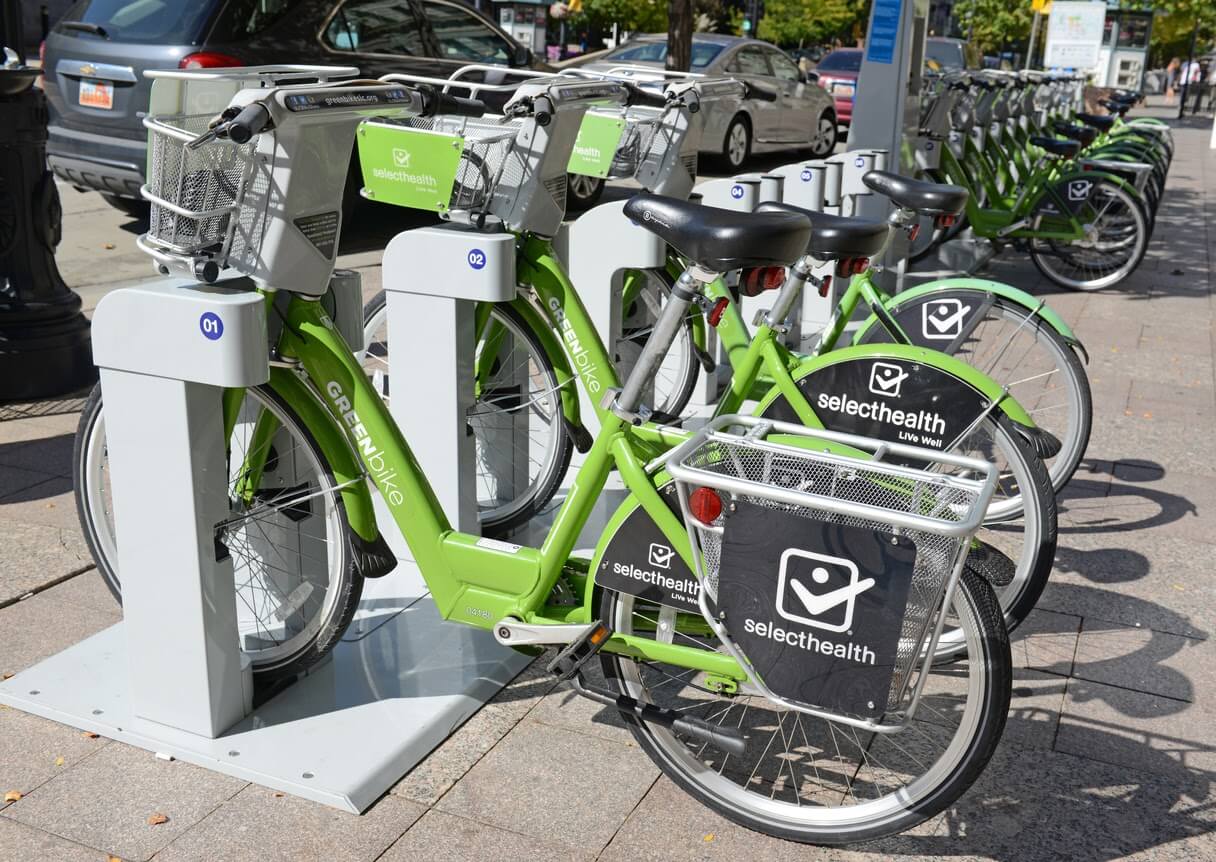
Promoting walking, the use of bicycles, and electric scooters, implementing improvements in the transportation systems available to the population, and controlling vehicle use are some of the strategies to enhance life in these spaces. Cities with the best transportation systems are those that consider both – architecture and technology – to offer practical, intuitive, and economically viable solutions.
What Are the Benefits?
The biggest problem with the types of transportation we currently use is the impact they have on the environment. Diesel, gasoline, and natural gas vehicles emit polluting gases that cause the greenhouse effect and contribute to global warming, in addition to causing a series of respiratory diseases. Thus, the implementation of public transport as an alternative is a more appealing solution, as they carry a large number of people on board and reduce the impact of emissions – especially if they are electric, as is the case with some Brazilian buses.
Bicycles and electric cars, motorcycles, or scooters have stood out as less harmful options for the environment, as they have zero emissions of harmful gases into the atmosphere. Hybrid models are already part of a significant portion of sustainable vehicles in Brazil, and they are also targeted in a range of tax benefits that encourage the purchase of green energy vehicles.
Beyond the visible impact, cars are also major contributors to noise pollution in cities. Even those that emit less noise cause discomfort when added to all the other vehicles on the streets. Horns and traffic sounds can elevate noises to 100 decibels, a level that cannot be heard for more than 15 minutes, as it becomes harmful to hearing. With collective means of transportation, the number of vehicles on the streets decreases and, consequently, the noise as well.
Another way to promote sustainability in traffic is the adoption of policies that facilitate the car rental for Uber. This way, an app driver can transport multiple passengers throughout the day, preventing more cars from circulating on the street.