






 Portuguese
  Spanish


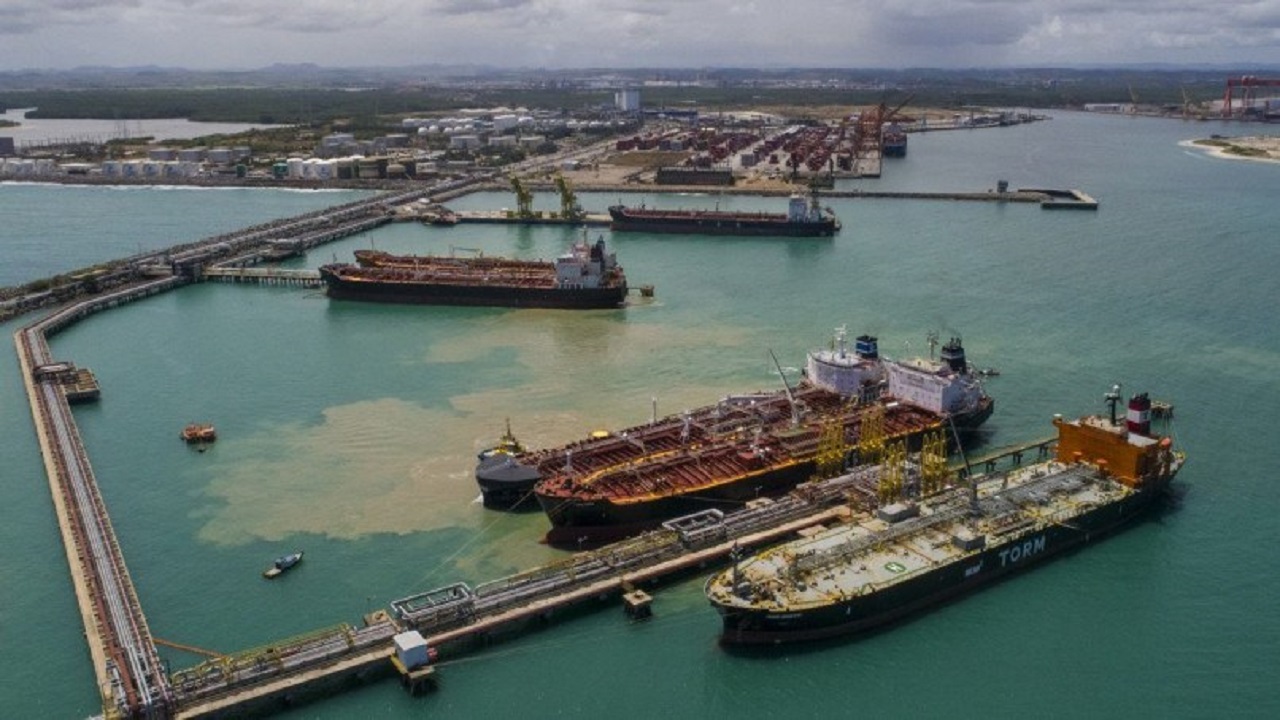

Port of Suape To Use Solar Energy From The Tacaratu Photovoltaic Park In Pernambuco. The Estimated Use Of This Renewable Energy Is That Emissions Of More Than 100 Tons Of CO2 Will Be Avoided.
The Port of Suape region will use renewable energy for the activities of its administrative building and four more areas of the port. The initiative is the result of the PE Sustentável program, managed by the Economic Development Agency of Pernambuco and created by the State Government, which enables the commercialization of solar energy in the Energy Market purchased in an auction in 2013.
Read Also
Port Of Suape To Use Solar Energy From Tacaratu
The renewable energy that will be used by the Port of Suape will come from the solar energy park in Tacaratu, a municipality located 450 km from the capital of Pernambuco, and distributed through the electrical grid. With the use of this source, the Port of Suape will have a 15% reduction in monthly financial costs.
According to Jorge Vieira, director of Administration and Finance of the company, it is a significant saving coming from renewable energy, in line with the sustainability platforms the company is part of in Brazil.
-
Eni Acquires 25% Stake in Chilean Lithium Project, Plans to Invest Up to $225 Million in Eco-Friendly Extraction Method

-
French Brand Transforms 6 Million Brazilian PET Bottles into Sustainable Sneakers for Global Fashion Market
-
Abandoned Factory in Rio’s North Zone Becomes Urban Hazard with Standing Water and Debris

-
The U.S. Navy Conducts Submarine Tests in Idaho Lake to Detect Underwater Noises Hidden by the Ocean



The Tacaratu solar power plant was one of the winners of the first renewable energy auction held by the government of Pernambuco in 2013. The initiative will contribute to the increase of the Environmental Performance Index (IDA), which monitors the performance of the public port sector. Currently, the Port of Suape ranks 8th among 31 monitored docks.
Authorities Speak Up
Roberto Gusmão, president of Suape, celebrates the step taken by the state-owned company and highlights the social and environmental commitments followed by the Industrial Port Complex.
The executive states that the clean energy market is growing worldwide and the trend now is to adopt measures that do not pollute the environment while promoting sustainability for businesses globally. With solar energy, the Port of Suape aims to become an even more competitive and attractive port for investors.
Port Of Suape Will Avoid Emission Of 108 Tons Of CO2
The average consumption of these five units that will use solar energy from Pernambuco is 1,418 MWh per year and, with the use of this renewable source, 108 tons of carbon dioxide will be avoided, equivalent to planting 770 trees.
The state-owned company’s use of solar energy is the first measure announced after the company’s entry into ICLEI, an organization that includes 2,500 local and regional public administrations contributing to sustainable development worldwide.
It is worth noting that, in addition to purchasing energy from Pernambuco, Suape has also been producing photovoltaic energy for about two months, when the company’s Forest Nursery in Engenho Algodoais began to be powered by a set of 22 solar panels on the roof of the building.







