Portuguese
  Spanish


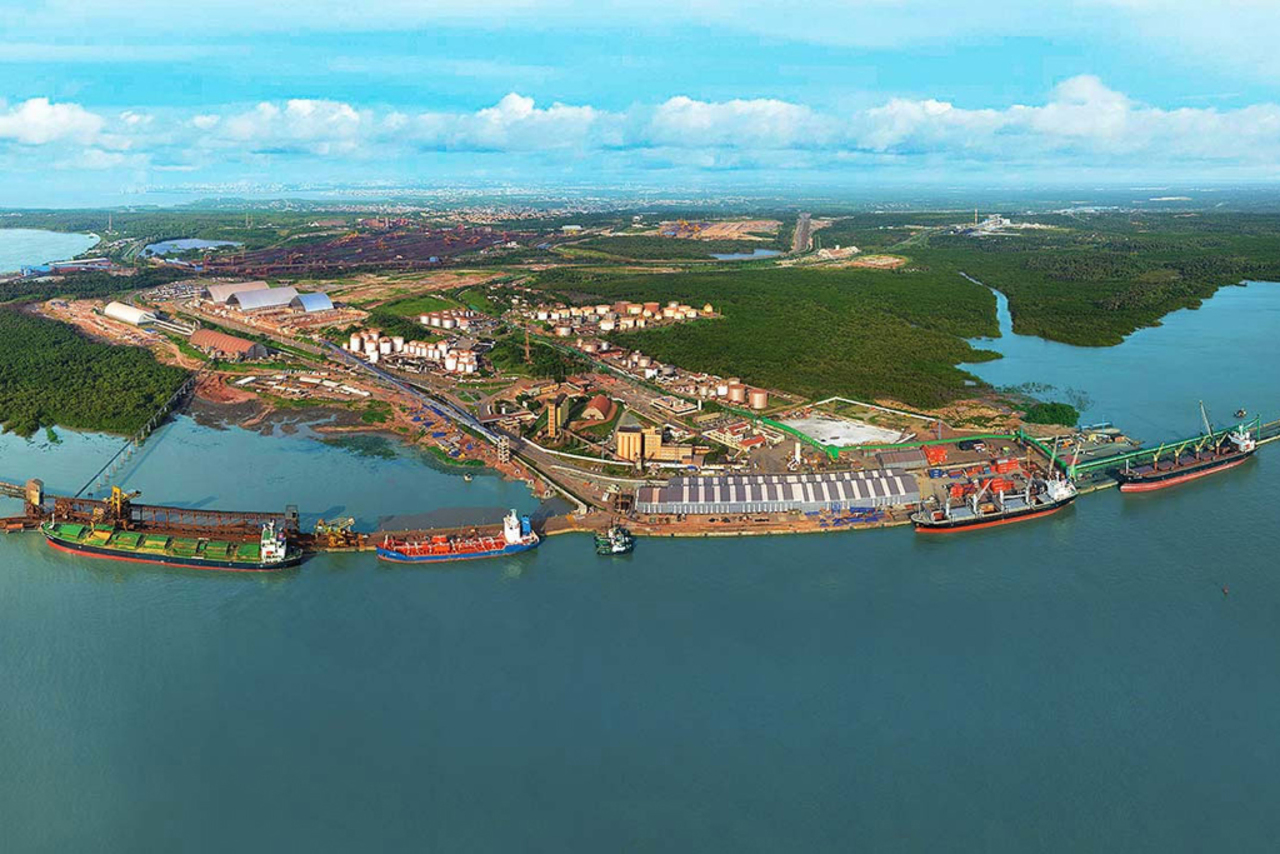

Port of Itaqui in São Luís Breaks Last Year’s Record in Cargo Movement
The Port of Itaqui located in São Luís – MA ends 2020 with cargo movement above the historical mark reached in 2019, closing the year with 25.3 million tons of cargo handled. Grains (soybeans, corn, and soybean meal) reached 12.1 million tons – including operations from Tegram and VLI – an increase of 8.5% over the same period last year. And the volume of fertilizer reached 2.6 million tons handled, recording a rise of 21%.
Read Also
President of the Port of Itaqui in São Luís States He Was Surprised by the Results of Cargo Movement
Also noteworthy is the cellulose, with 1.4 million tons exported and 35% above the cargo limit exported in 2019; in addition to containerized cargo, with the consolidation of weekly scheduling this year. These results were achieved alongside the intense work of prevention and combating COVID-19, defined in a pandemic response plan in São Luís – MA, launched in the early months of the year, focusing on maintaining the health of workers and the safety of operations.
“We had a tough year in São Luís, filled with uncertainties, starting with the first news of COVID-19, when we began to understand the possible impacts of the pandemic on the markets we operate in and to take measures to keep our teams safe and maintain the regularity of operations. But with determination and resilience, we reached this record that confirms the positive trend we have been achieving since 2015,” states the president of the Port of Itaqui, Ted Lago.
-
Eni Acquires 25% Stake in Chilean Lithium Project, Plans to Invest Up to $225 Million in Eco-Friendly Extraction Method

-
French Brand Transforms 6 Million Brazilian PET Bottles into Sustainable Sneakers for Global Fashion Market
-
Abandoned Factory in Rio’s North Zone Becomes Urban Hazard with Standing Water and Debris

-
The U.S. Navy Conducts Submarine Tests in Idaho Lake to Detect Underwater Noises Hidden by the Ocean


“A result that would not have been possible without the partnership and dedication of the teams from EMAP, operators, tenants, shipowners, shipping agencies, regulatory agencies, pilots, OGMO, port workers, and all those who make the Port of Itaqui a reference for Maranhão and for Brazil,” he adds.
Expansion at the Port of Itaqui in São Luís
A landmark of the expansion project being undertaken at the Port of Itaqui since last year, the New Tegram began its activities at the end of the first semester and inaugurated a new stage of growth that further strengthens the importance of the public port of Maranhão as a leader in the flow of grain production from the Northern Arc of the country.
The investments from the Tegram Consortium at Itaqui allow for simultaneous shipments of grains from berths 100 and 103, raising the port’s capacity to handle 20 million tons of grains per year, also considering VLI’s operations at Berth 105. The Consortium invested R$ 260 million in this second phase of the project. Combined with the funding from the first phase (R$ 600 million), the total investment is R$ 860 million. The construction generated around 500 jobs, and post-construction, the terminal is expected to absorb more than 100 new workers.
Logistically significant for Brazilian agribusiness, Tegram is one of the largest infrastructure projects for exporting the Brazilian grain harvest and has directly benefited producers in the MATOPIBA region (Maranhão, Tocantins, Piauí, Bahia) and the Northeast of Mato Grosso. The proximity of Itaqui to Brazil’s new agricultural frontier generates greater agility in the flow of the harvest to strategic markets, such as Europe and Asia.