Portuguese
  Spanish


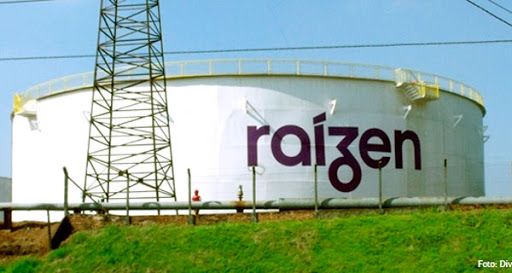

The Terminal Was Inaugurated During The Pandemic About Two Months Ago, At The Port Of Itaqui, In São Luís, Maranhão
Executives from Reuters said on Thursday that Raízen has begun receiving fuel ships and the project will expand diesel imports to the north and northeast of the country. The newest terminal has an investment of around 200 million reais, can handle 1.5 billion liters of fuel annually, and is capable of storing up to 80 million liters of fuel. In addition, it is connected to railways, ensuring that the company can also transport low-cost ethanol and biodiesel from the Midwest.
See Also Other News:
- Job Selection Process Requires Civil Engineering Professionals In A Transport Company In Rio De Janeiro, On This Day 20
- Projects In The Oil And Gas Sector Should Fall By 75% This Year 2020, Due To The Crisis Caused By Covid-19
- Unexperienced Professionals Can Apply For A Position At TechnipFMC In Macaé, Rio De Janeiro
Conceived at the moment Petrobras began implementing market pricing for Brazilian oil products a few years ago, the terminal effectively promised to “challenge,” even after some of those refineries became privately controlled. According to Nilton Gabardo, the Director of Business Development and Infrastructure at Raízen, what prevails in the fuel market is “cost-reduction race,” which is the essence of the terminal.
-
French Brand Transforms 6 Million Brazilian PET Bottles into Sustainable Sneakers for Global Fashion Market

-
Abandoned Factory in Rio’s North Zone Becomes Urban Hazard with Standing Water and Debris

-
The U.S. Navy Conducts Submarine Tests in Idaho Lake to Detect Underwater Noises Hidden by the Ocean
-
British Factory Transitions from Mechanical Parts to Producing 420,000 Electric Power Units Annually, Supplying 70% of Ford’s Electric Cars Sold in Europe


“When working with efficient costs, it ends up challenging refiners more… the first thing is to have capacity, then you can access the options… The Brazilian market, in general, does not have the infrastructure to support high-level competition with refineries, and this capacity of Raízen will allow that…,” said Nilton.
The company told Reuters that, with these assets, Raízen will increase competition with BR Distribuidora, headquartered in São Luís, and should also perform storage at the Tequimar terminal. Petrobras’s subsidiary, Transpetro, also has a terminal at the port.
According to Raízen, in the long term, this group of terminals and distribution bases are the most efficient assets of the company, operating large rail compositions connected by the railway network of Ferrovia Centro-Atlântica, as well as the Norte-Sul Railway.
“This is the materialization of Raízen as a player that believes in high-performance differential, brings resilience to the business, brings options for us, whether they are for import, cabotage, ethanol exit (export), ethanol import, biodiesel; we have said that it is a flexible terminal, this characteristic is quite important,” said Antonio Simões, who is VP of Logistics, Distribution, and Energy at Raízen.
According to Reuters, the port of Itaqui recorded a 7% increase in traffic this year, primarily driven by soybean transportation, which mainly shows the strength of agribusiness, which was less affected during the Covid-19 pandemic. Regarding the pandemic’s impact on the fuel market, Simões pointed out that the company began to resume sales, mainly with diesel.
“Diesel returned even a bit faster than imagined to similar levels…, significantly driven by good harvests, agribusiness had no major impacts, this is reflected in the resumption of diesel volumes,” said Antonio, noting that gasoline and ethanol still depend on the reopening of large cities.