Portuguese
  Spanish


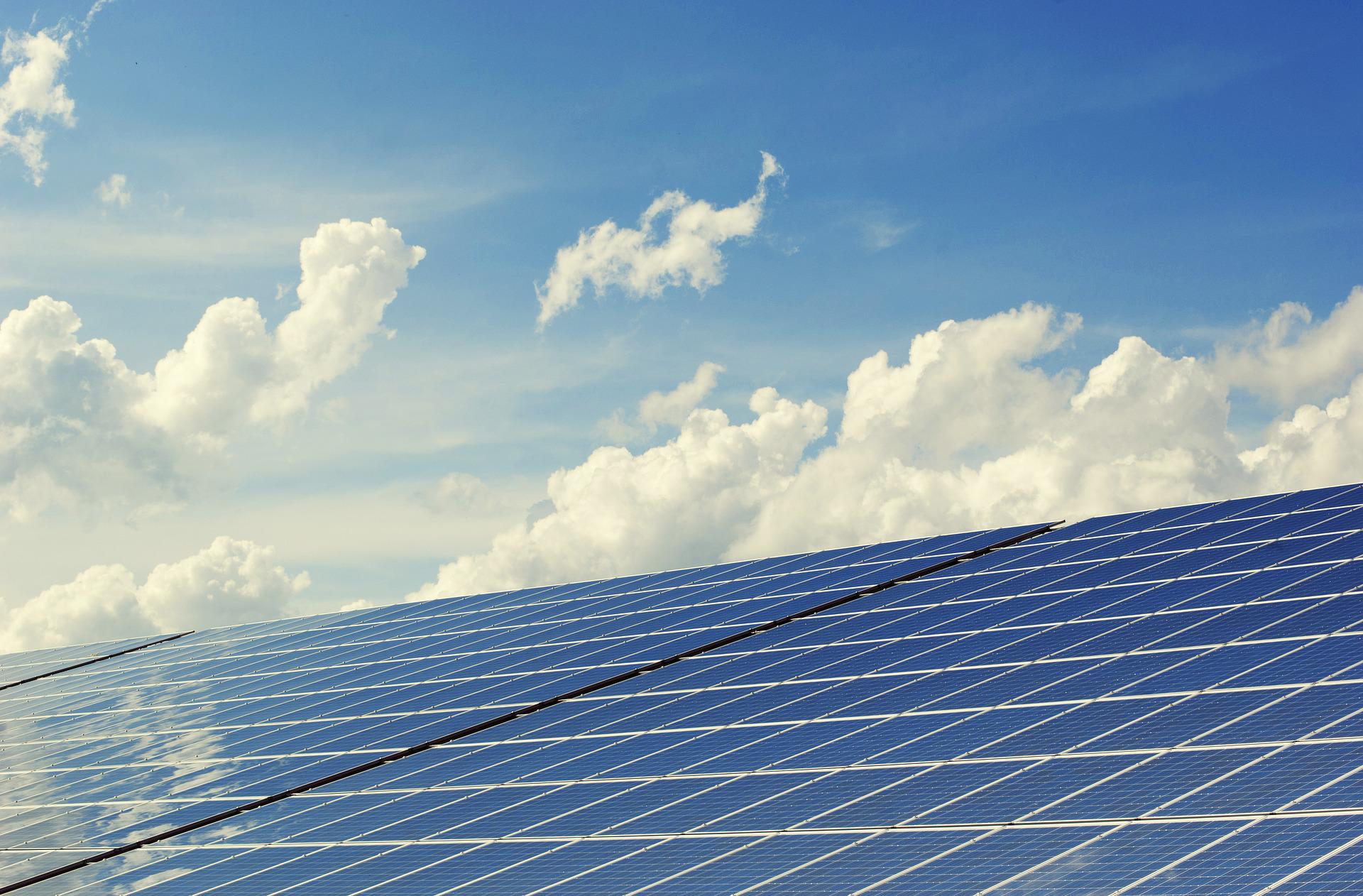

Many people interested in installing photovoltaic panels do not know how they can sell solar energy. Every day that goes by, the number of Brazilians interested in making this installation grows, as until January 2023, there is the end of the legal framework that determines that all who make this investment will not have to pay ICMS taxes on what is produced. And for entrepreneurs, selling photovoltaic panels is an alternative to profit and grow in a thriving market.
How to Sell Solar Energy? Do you need to do something to make this possible? How can I make money? You can sell solar energy by installing panels and producing kWh, either practically or by reselling, offering electrical services.
It is not always possible to make money directly when producing your own energy. That is, the company responsible for the distribution in your city or state will not pay an extra amount every month for what you produce.
In fact, everything produced will be injected into the grid in the form of credits. That is, if you inject about 330 kWh, you will have this credit value to spend in the coming months. Furthermore, if a citizen has more than one energy account in their name and is producing more than is consumed by a particular residence, business, or establishment, they can use this credit to offset the other account that does not have the installation.
-
Brazil Aims to Become a Global Exporter of Green Hydrogen, the Clean Fuel Set to Generate Billions

-
Brazil to Hold First Offshore Wind Energy Auction, Aiming to Become the Country’s New Hydropower
-
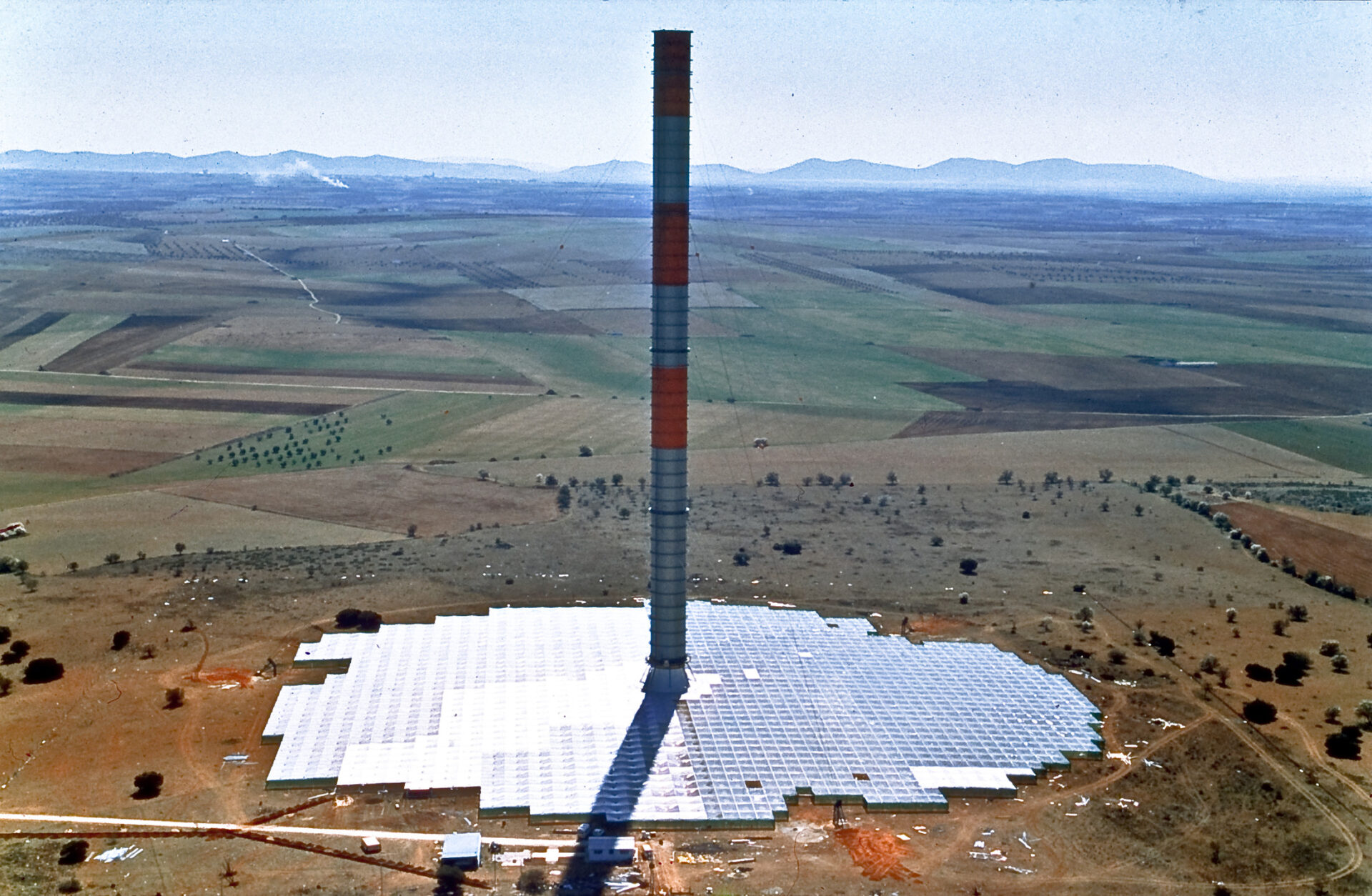
Solar Chimney in Spain Harnessed Sun to Generate Electricity for 7 Years Without Burning Fuel

-
Brazil to Hold First Auction for Batteries to Store Solar and Wind Energy from the Northeast

With this in mind, it is common for some people to negotiate with neighbors or friends so that their electricity bill is in the same name as the one that installed the photovoltaic panel. Thus, the neighbor would not need to pay the electricity bill because the extra credits from the production of the other would offset their expenses. In this way, instead of paying the electricity bill to the utility company, they should pay the panel owner for what was consumed.
Selling Solar Energy as an Individual
Although the method mentioned above is widely used among Brazilians to sell solar energy, since the energy company does not allow for the cashback of what was produced beyond the consumption, putting other people’s accounts in your name is not one of the best alternatives. This practice should only be carried out with trustworthy people to avoid future troubles.
And, of course, leaving this accumulated credit is also an alternative to meet future needs: in the winter, it is common for solar panels to produce much less than in the summer due to the decrease in solar radiation incidence. With this in mind, one can keep accumulated credits to be used during the months when production is lower than usual – this alternative is ideal for businesses, especially in months when tariffs are higher.
I Want to Sell Photovoltaic Panels as an Entrepreneur, How to Do It?
The process to sell photovoltaic panels for solar energy production as a company instead of as an individual is different. To ensure that your customers have quality equipment and long-lasting photovoltaic panels, it will be necessary to affiliate with companies that produce and can provide the material at low cost for resale.
To do this, some initial steps need to be followed, such as opening a company with CNPJ (National Registry of Legal Entities) and hiring specialist employees in electrical work, who are usually technicians, to carry out the assemblies and installations for clients.