






 Portuguese
  Spanish


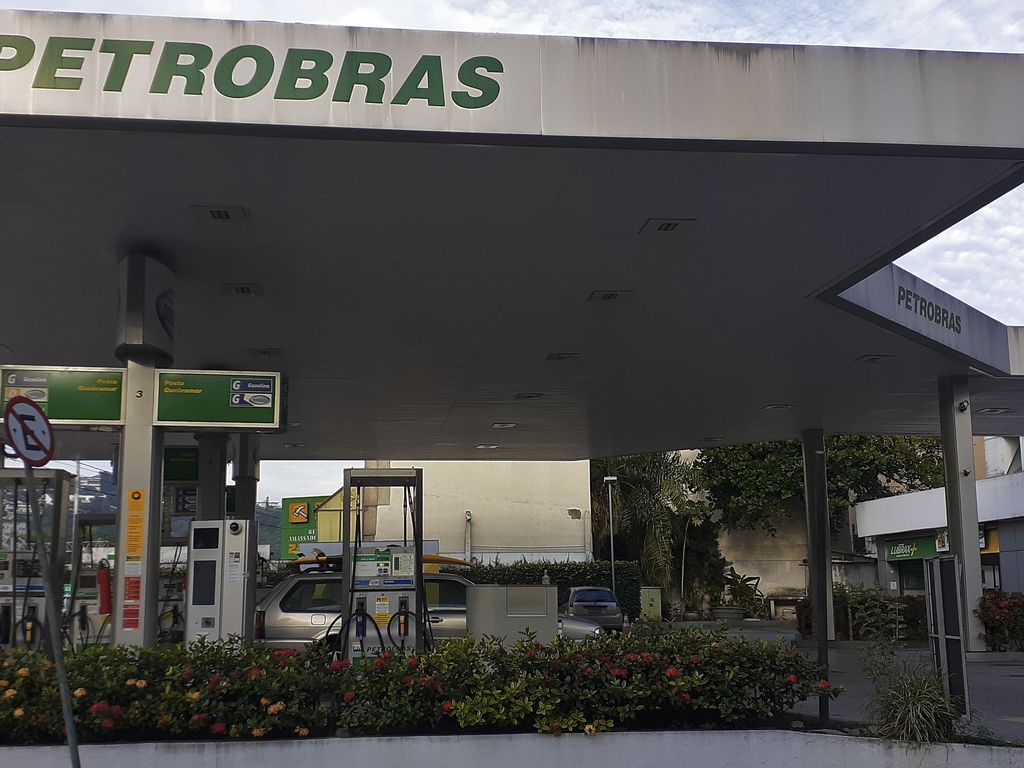

Gasoline Price Hits Average of R$ 7 Per Liter for the First Time
The price of fuels has become a major issue for Brazilians this year. Brazil’s political and economic instability, combined with the rising dollar and the price of oil in the international market, led to consecutive increases in gasoline and diesel prices throughout most of the year.
According to a survey by the National Agency of Petroleum, Natural Gas, and Biofuels (ANP), the average price of a liter of common gasoline has surpassed the R$ 7 mark in four states of the federation. The ANP’s survey considered fuel prices between October 24 and 30.
The data shows that Piauí continues to be the state with the highest average gasoline price per liter, at R$ 7.143. Rio Grande do Norte at R$ 7.109, Rio de Janeiro at R$ 7.041, and Goiás at R$ 7.040 are the other states on the list.
-
Petrobras Begins Drilling Controversial Oil Well in Brazil’s Equatorial Margin Near the Amazon River Mouth

-
Petrobras Sets Record with 2.66 Million Barrels Per Day in Brazil’s Pre-Salt Oil Production
-
Petrobras to Double Natural Gas Supply in Northeastern Brazil with New Investment
-
Petrobras Approves $1.2 Billion Refinery in Brazil to Produce Aviation Fuel and Diesel from Plants


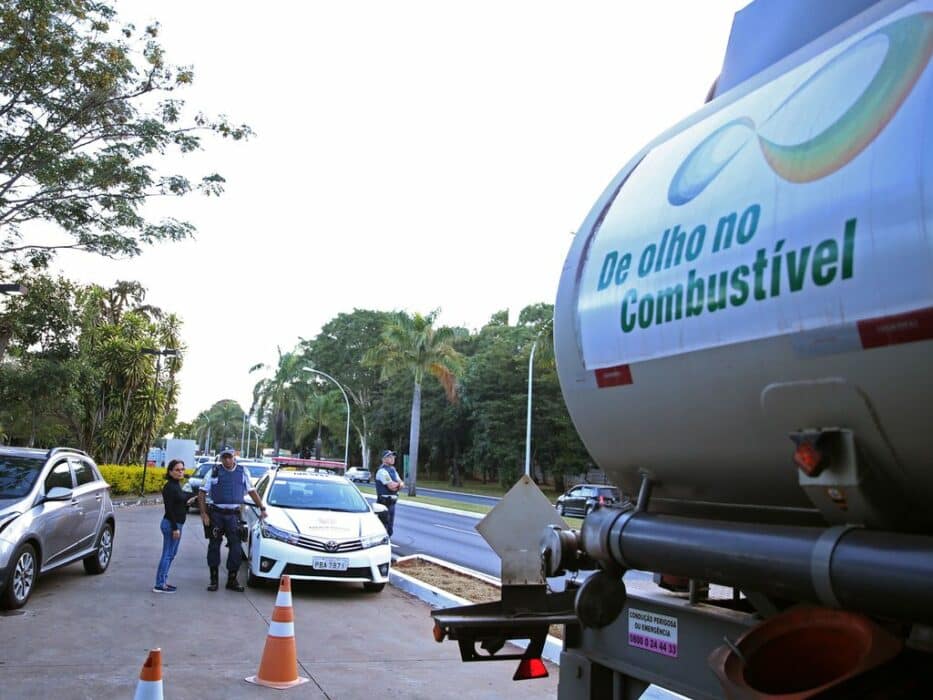
The maximum price of a liter of gasoline has been found to exceed R$ 7 in 15 of the 27 federative units. The highest price per liter of gasoline was found in Rio Grande do Sul, costing no less than R$ 7.889.
The price of gasoline saw two increases last month, reaching an average of R$ 6 per liter across all regions of the country. Today, the Midwest region has the highest price per liter in the country, with an average of R$ 6.786. Last week, Petrobras announced a new increase in gasoline prices at refineries, raising gasoline prices by 7.05%, while diesel prices rose by 9.15%.
Fuel Prices Are One of the Drivers of Rising Inflation
The rise in fuel prices is a problem that generates other significant issues in the Brazilian economy, such as rising inflation. Due to the urgency of the issue, the Federal Government has been seeking alternatives to reduce fuel prices.
Last Friday, the National Council of Tax Policy (Confaz) announced a freeze on the ICMS (Tax on Circulation of Goods and Services) on fuel prices for a period of 90 days.


