






 Portuguese
  Spanish


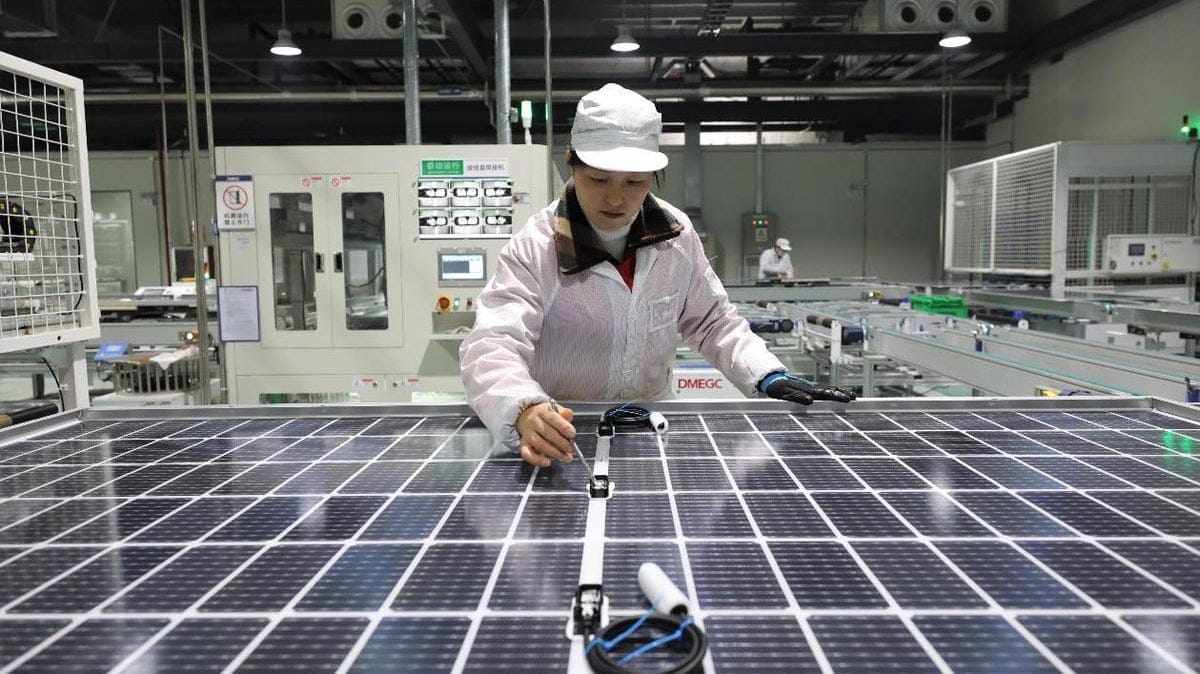

Solar Photovoltaic Systems Saw Price And Production Capacity Drop At The Start Of The Year, Focused On Polysilicon, Mounting Structures, And Photovoltaic Plants.
The 30% reduction in **prices** of residential and small-scale commercial solar photovoltaic systems was driven by excess production capacity from China, according to a survey by the consulting firm Greener. Compared to January 2023, the **prices** of modules saw a significant drop, resulting in an average return on investment that was 25% higher.
Moreover, the average **values** of residential systems also showed a considerable reduction, with a 28% drop compared to January of the previous year and a 14% decrease compared to June 2023. The average **cost** of a 4 kWp residential solar photovoltaic system was R$ 12.7 thousand, in contrast to R$ 17.5 thousand recorded in January 2023, representing a significant savings for consumers.
Prices Of Solar Panels Vary Significantly
The largest drop was observed in panels for commercial installations: a decrease of 34% compared to January 2023 and 13.7% compared to June 2023, with average values of a 50 kWp system estimated at R$ 122.5 thousand compared to R$ 186.5 thousand in January 2023.
-
Solar energy reaches 55 GW, becoming the second largest power source in Brazil’s energy mix

-
Brazilian scientists are simultaneously advancing two research projects on clean hydrogen and driving solutions that could transform the energy matrix, enhance industrial competitiveness, and accelerate large-scale emission reduction targets.
-
Advancement in renewable energy: A R$ 150 million project launched by Petrobras and Finep aims to create state-of-the-art electrolyzers for green hydrogen, strengthening national research and preparing Brazil to compete in a billion-dollar energy market.
-
Solar energy can increase property value by up to 10% and become a selling point.



Meanwhile, industrial systems of 1 MWp reached an average cost of R$ 2.7 million, 27% lower than at the beginning of 2023.
Photovoltaic modules account for about 25% to 40% of the final price of a system. The main input for the module is polysilicon, whose price reached US$ 8.25/kg in January 2024, a decrease of 51% compared to the same period in 2023.
Production Capacity And Market Influence Polysilicon Prices
Greener assesses that the excess supply, resulting from increased production capacity in China, and the consequent rise in stock levels contributed to this price variation.
The trend is for prices to remain at similar levels, at least in the first half of 2024, according to the consulting firm’s report.
The steel used in mounting structures, especially for ground-mounted photovoltaic plants, also saw a drop of 9.9% compared to January 2023, reaching US$ 545/ton in January 2024.
Different Raw Materials Contribute To Price Variation
Two other important raw materials that have become cheaper are copper (input for inverters) and lithium (storage).
Since the beginning of 2023, the price of copper has fluctuated between US$ 8 and 9/kg, ending the year at US$ 8.5/kg. Meanwhile, lithium saw a decrease of 82% when comparing January 2024 to 2023.
Source: EPBR





Muito bom