






 Portuguese
  Spanish
 3 min of reading


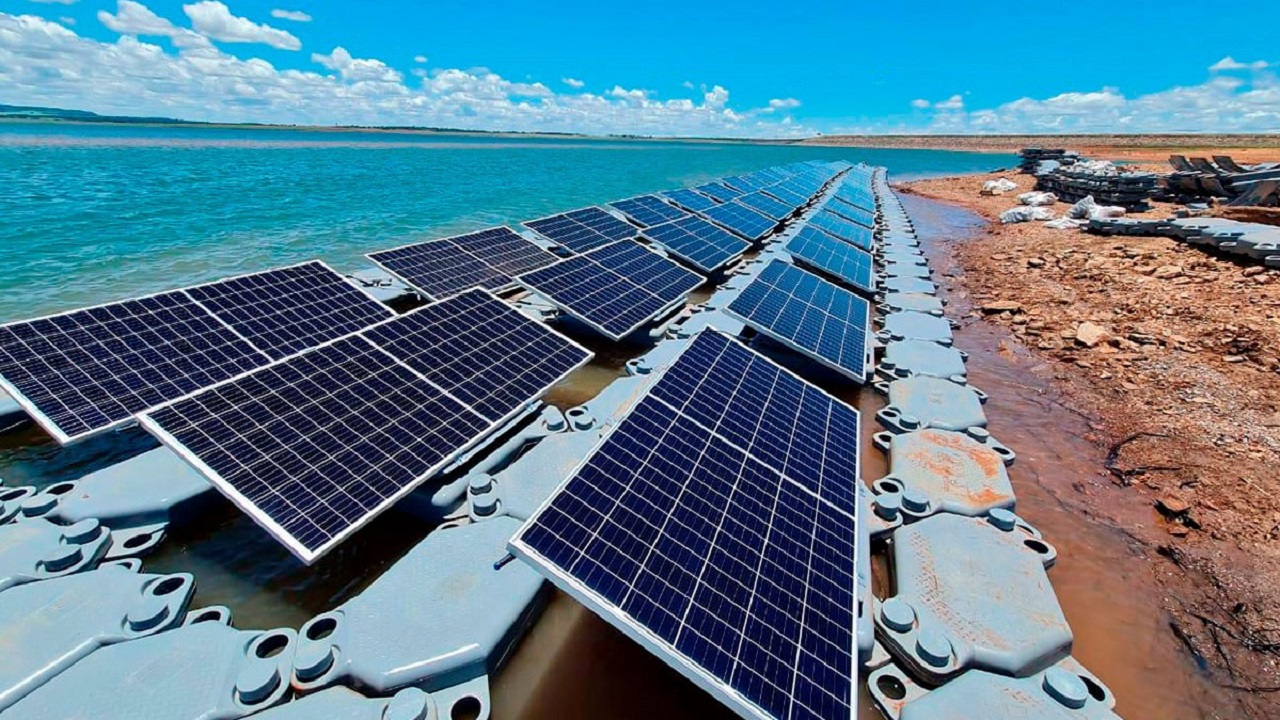
Furnas Is Investing About R$ 45 Million to Advance Green Hydrogen Studies in Goiás. The Company Aims to Insert Energy into the SIN from Renewable Fuel
The Eletrobras subsidiary, Furnas, plans to inaugurate on Wednesday (8th), at the Itumbiara hydroelectric plant in Goiás, its first plant for the production of green hydrogen, which is part of a research and development (R&D) project. The goal, according to Furnas, is to continue studies on energy storage and the insertion of electricity into the National Interconnected System (SIN) through the production of green hydrogen. The estimated investment by the company in the plant in Goiás is approximately R$ 45 million.
Read Also
Understand How the Production of Renewable Fuel at the UHE Itumbiara Will Work
The green hydrogen plant in Goiás is part of a research project with contributions approved by the National Electric Energy Agency (Aneel). According to the company, the mission is to evolve synergy between solar energy sources, hydropower, with the storage of seasonal and intermittent energy in hydrogen and electrochemical systems.
One way to generate green hydrogen is through water electrolysis, where the separation of oxygen and gas molecules for hydrogen takes place. For the renewable fuel to be called “green,” the energy source for electrolysis must come from clean sources such as wind energy or photovoltaic solar energy.
-
Brazilian scientists are simultaneously advancing two research projects on clean hydrogen and driving solutions that could transform the energy matrix, enhance industrial competitiveness, and accelerate large-scale emission reduction targets.

-
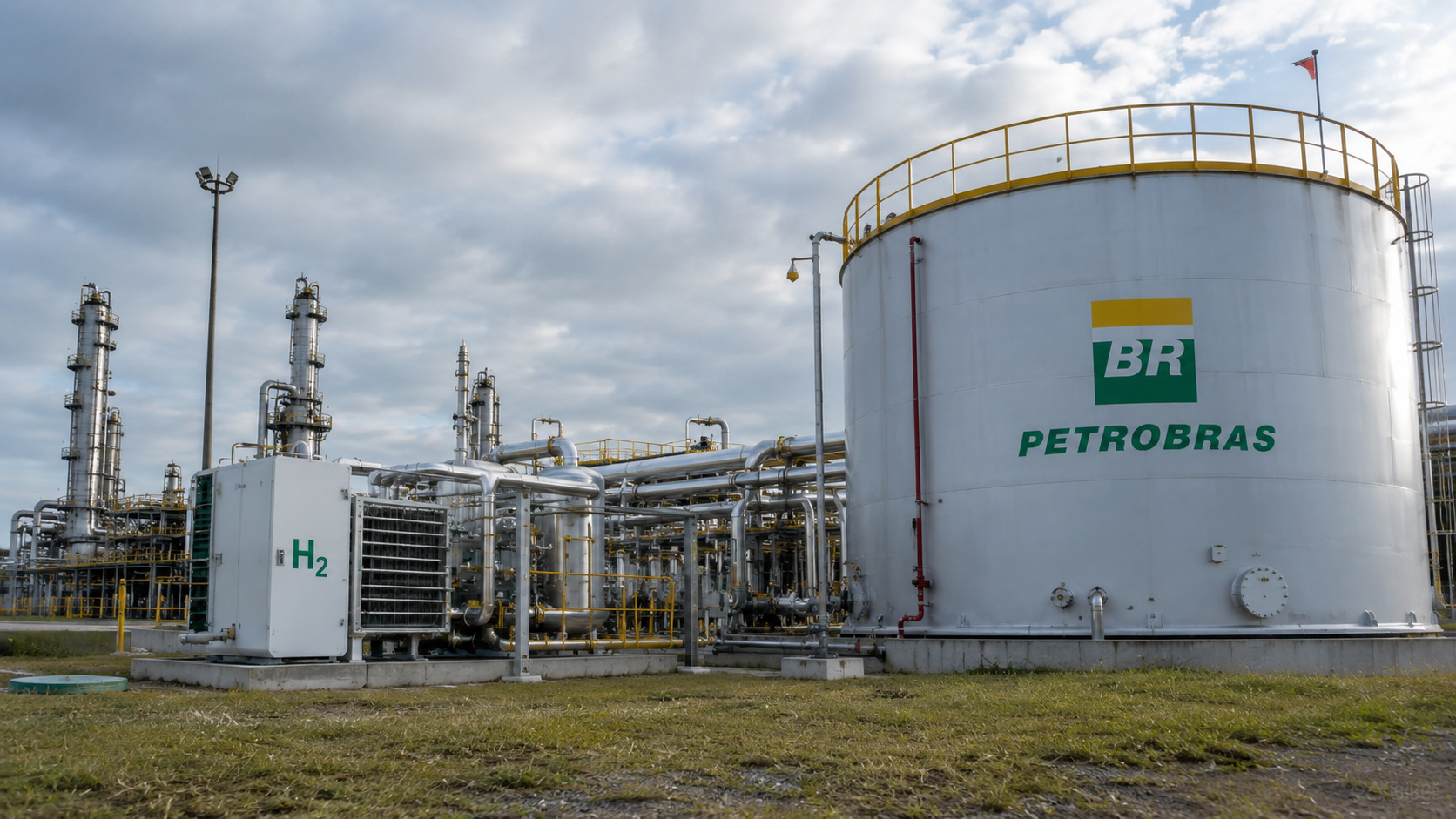
Advancement in renewable energy: A R$ 150 million project launched by Petrobras and Finep aims to create state-of-the-art electrolyzers for green hydrogen, strengthening national research and preparing Brazil to compete in a billion-dollar energy market.
-
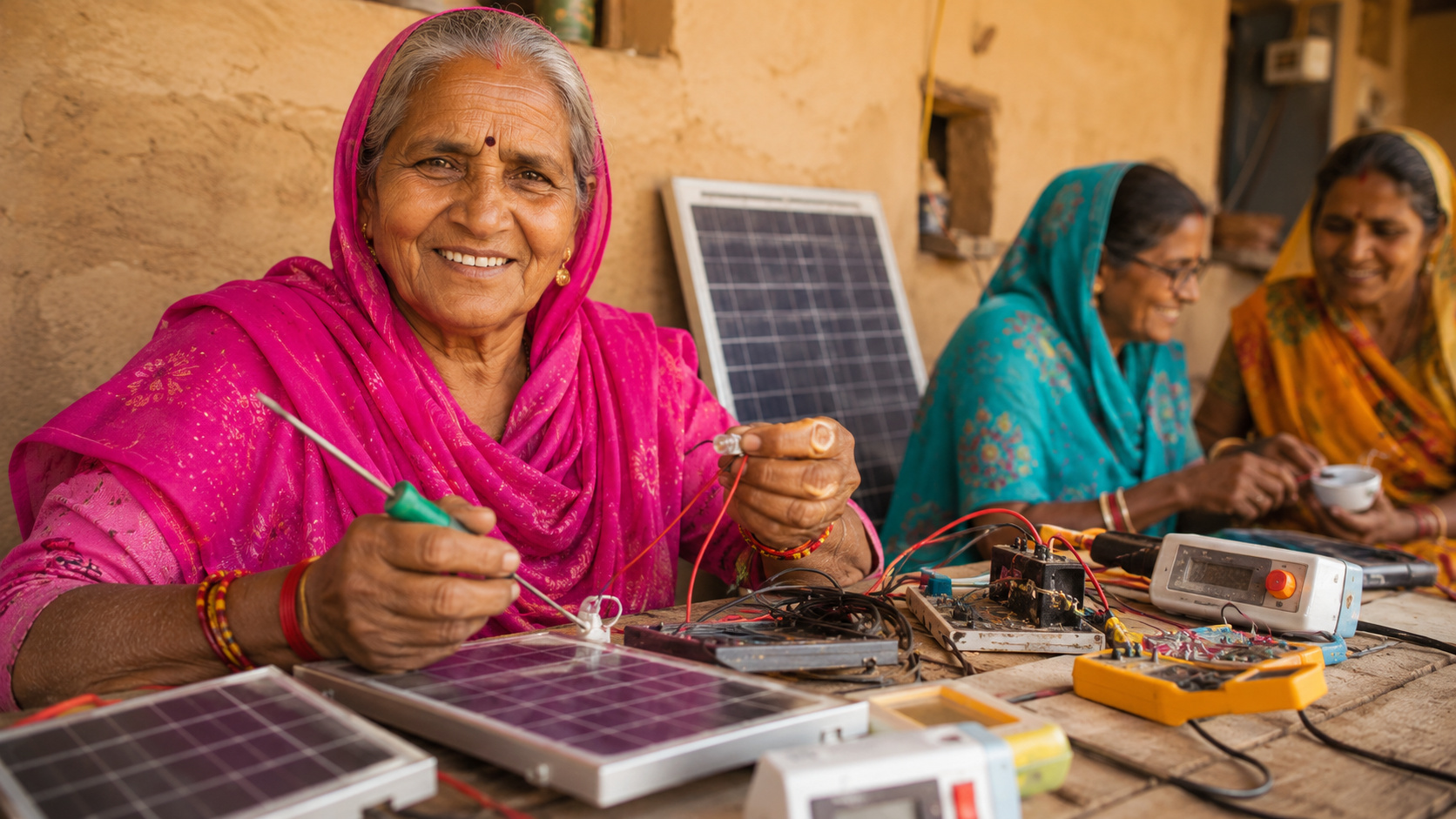
Illiterate or semi-literate grandmothers were trained to repair solar systems, open rural workshops, and light up homes that still depended on kerosene.
-
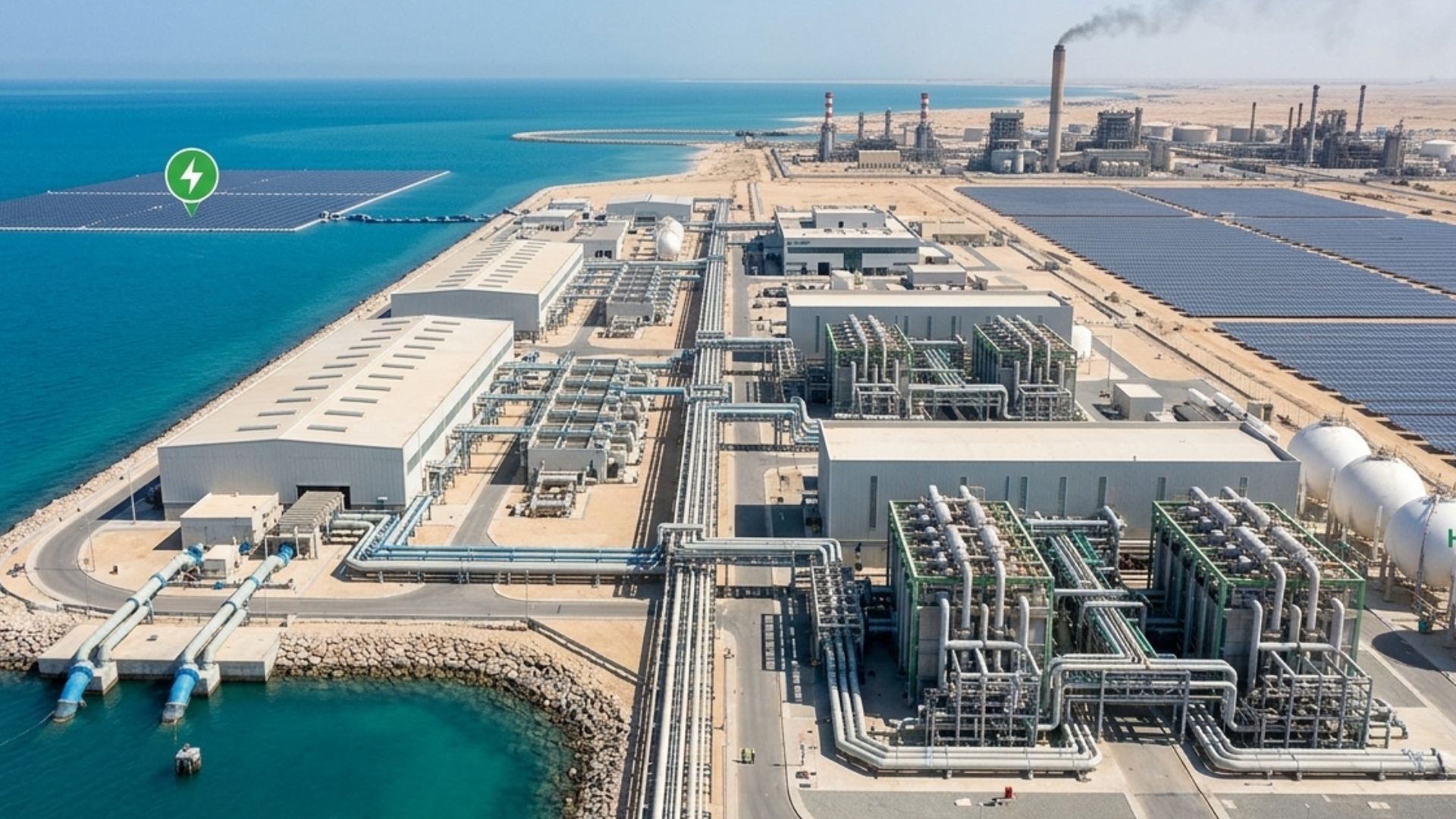
The world has bet on green hydrogen as the fuel of the future, but now faces the side effect: producing 1 kilogram requires about 9 liters of ultrapure water, and the largest projects on the planet are precisely in the driest regions of the Earth, where water is already scarce for people.


In the plant in Goiás, two sets of photovoltaic panels capture solar energy and generate about 1 MW, which is transmitted to a device called an electrolyzer, which through a process generates green hydrogen. The fuel is converted and stored in a special tank, which will supply a fuel cell. Through this fuel cell, the gas produces electricity that will be sent to the substation of the plant in Goiás.
Project Studies Ways to Store and Dispatch Electric Energy
Going beyond the feasibility of generating green hydrogen, which is already a mastered technology, Furnas’ project studies ways to store and dispatch electricity to meet the demand of the electric system, which varies throughout the day.
In general, this dispatchable energy capacity for the SIN is distributed in Brazil, in generation from fossil sources, such as natural gas, coal, and oil, and in large hydroelectric plants with reservoirs.
Both here and in other countries, the electric sector is searching for alternatives for storing clean energy, which depends on sun, rain, and wind. In addition to green hydrogen, alternatives include batteries and even hybrid plants.
About Furnas
Furnas was founded with the aim of preventing the energy collapse that was putting the country’s industrialization process at risk in the mid-1957, implementing Brazil’s first large hydroelectric plant, the Furnas Plant.
Since then, the company has played a fundamental role in the evolution of Brazilian society. The company has facilities in the states of São Paulo, Minas Gerais, Rio de Janeiro, Espírito Santo, Goiás, Paraná, Mato Grosso, Pará, Mato Grosso do Sul, Tocantins, Rio Grande do Sul, Rondônia, Ceará, Santa Catarina, Bahia, and in the Federal District.




Be the first to react!