Portuguese
  Spanish


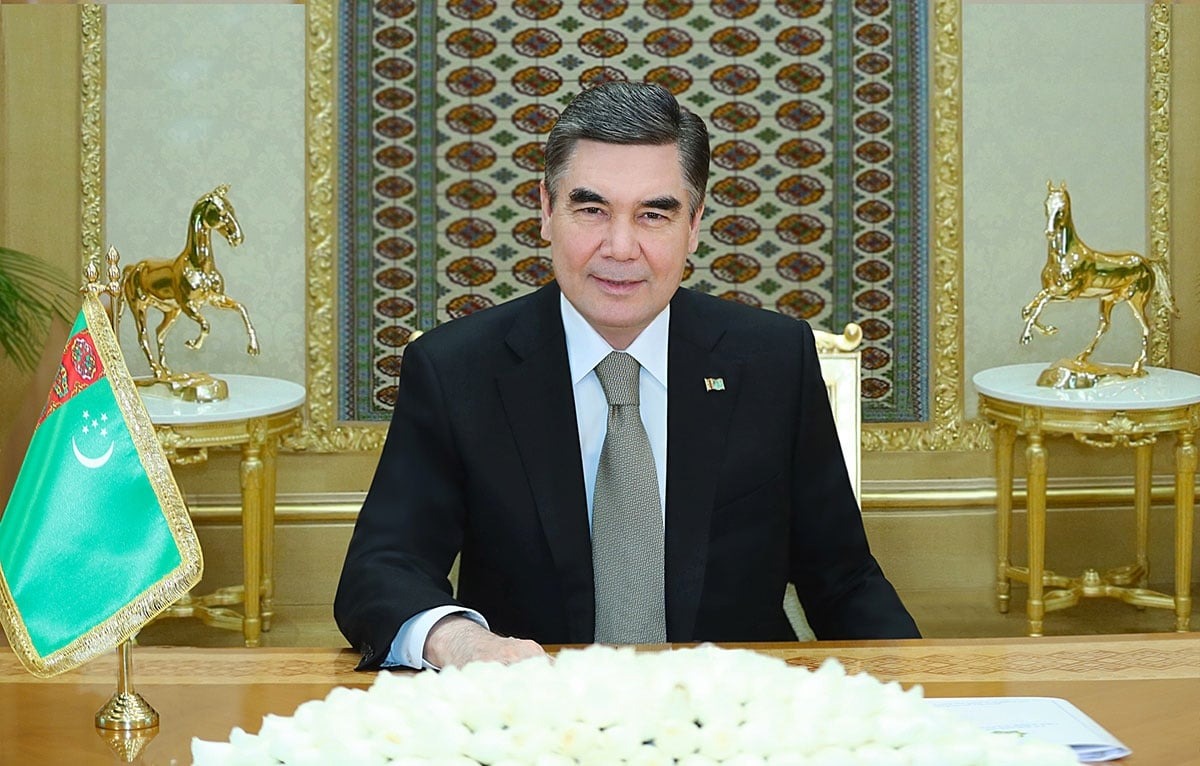


In The Heart Of Central Asia, Turkmenistan Surprises With Eccentric Rules, Total Surveillance, And Golden Monuments That Spin In The Sun, Composing A Scenario Of Extreme Isolation
Located in Central Asia, Turkmenistan draws attention for its peculiarities. With around six million inhabitants in 2025, the country combines vast desert landscapes, monumental architecture, and strict customs that spark curiosity in those seeking to understand unconventional destinations. Despite its exotic beauty, tourism remains almost nonexistent due to severe restrictions imposed by the government.
The capital, Ashgabat, impresses with the number of buildings clad in white marble, creating a futuristic yet silent atmosphere. Much of the territory is dominated by the Karakum Desert, responsible for a large part of the low population density and the isolation that reinforces the country’s mysterious air.
Why Is Turkmenistan Considered So Exotic?
Turkmenistan has become globally known for its unusual rules and curious records recognized by the Guinness Book. One of the most peculiar laws prohibits dirty vehicles from circulating on the streets. For years, black cars were also banned from the capital, considered symbols of bad luck — a measure that forced many drivers to repaint their vehicles.
-
How to Prevent Brown Recluse Spider Bites: Common Hiding Spots and Free Tips to Reduce Risks

-
Natto: The Unusual Japanese Superfood Gaining Popularity on Social Media and Driving Record Exports
-
Brazilian Mayor Goes Undercover as Homeless for 24 Hours to Assess Public Services

-
15-Year-Old Entrepreneur Malu Lira Publishes 20 Children’s Books on Financial Education, Earns $500,000, and Expands Her Project to the Amazon Rainforest




Ashgabat, in turn, boasts the highest concentration of white marble buildings on the planet. The city also features extravagant monuments, illuminated fountains, and the largest indoor Ferris wheel. These elements reinforce the image of a place where the extraordinary blends with routine.
The Strictest Rules And Restrictions In The Country
Since independence, Turkmenistan has lived under authoritarian regimes that impose strong control over the population’s life. The norms affect everything from appearance to freedom of expression. Young people are banned from wearing beards or mustaches; dogs are restricted in the capital for being considered impure; dark vehicles are rejected in favor of lighter shades. Playback is banned in artistic performances, and even the months and days of the week have been renamed with references to the family of former president Saparmurat Niyazov.
Internet access is also tightly controlled. Social media and messaging apps are blocked, and foreign visitors need a special visa obtained only through an official invitation. During their stay, tourists must follow approved itineraries and be accompanied by authorized guides.
The Experience Of Visiting One Of The Most Closed Countries In The World
Traveling to Turkmenistan in 2025 is still a privilege for a few. The country receives fewer than 10,000 visitors per year. The process for obtaining a visa is long and bureaucratic, and constant monitoring creates a sense of isolation. In the wide and sparsely populated streets, silence and constant surveillance reinforce the impression of being in a film set.
During the visit, official guides accompany every step, and internet access is virtually nonexistent — even the use of VPNs is prohibited. Communication with the outside becomes a challenge, turning the journey into a rare experience disconnected from the modern world.
A Country Of Eccentric Monuments And Secrets In The Desert
Among the greatest curiosities stands the 15-meter golden statue of former president Niyazov, designed to rotate with the sun. His successor, Gurbanguly Berdimuhamedow, maintained a taste for eccentricities and starred in unusual scenes in videos and public events, driving vehicles and showcasing sports skills.
Another striking symbol is the “Gate of Hell,” a burning gas crater in the Karakum Desert that has been ablaze for decades and fascinates scientists and adventurers. These contrasts — between urban luxury and natural isolation — reinforce the image of Turkmenistan as one of the most mysterious, strict, and yet fascinating places in Central Asia.