






 Portuguese
  Spanish
 3 min of reading


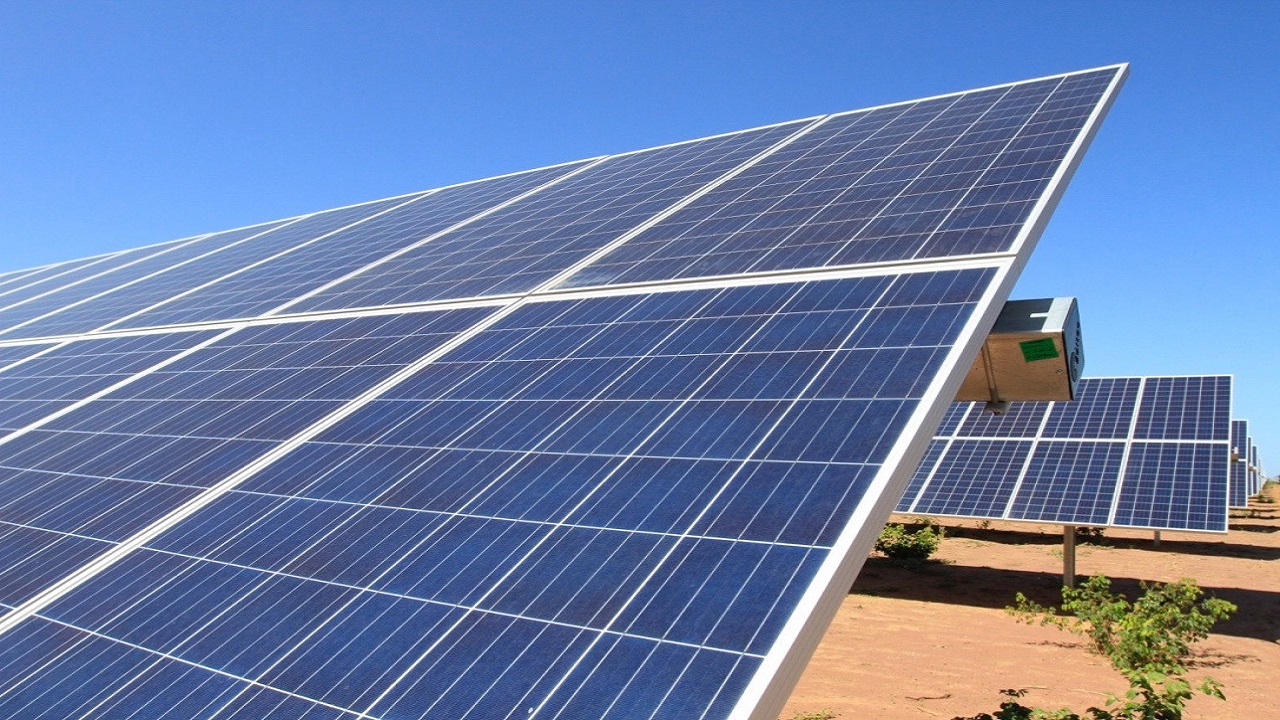
Taking a Big Step Toward the Advancement of the Economy and Sustainability of the State, the Government of Piauí Will Implement a Project That Includes 8 Mini Solar Power Plants, Secured by Aneel, Generating Jobs and Impacting the Lives of About 90 Thousand People
The Government of Piauí is one of the states that has invested the most in renewable energy supply and environmental responsibility in Brazil, and the trend is to continue growing in this sector, according to a report released last month by the National Electric Energy Agency (Aneel). Through a Public-Private Partnership (PPP), the government of Piauí plans to build 8 mini solar power plants, each with a production capacity of 5 MW. The expectation is that the mini solar power plants will be operational by the end of this year (2021), generating new job vacancies.
Read Also
Mini Solar Power Plants in Piauí
According to Viviane Moura, superintendent of the PPP Program in Piauí, many families will be directly impacted by the mini power plants established in partnership with the government of Piauí and confirmed by Aneel, with more than 90 thousand people benefiting in total. It is estimated that the investments will generate jobs before and after the completion of the works. The mini solar power plants, referred to as solar parks, involve a system that uses solar energy designed to produce high tension electricity for distribution.
An innovative aspect of the mini power plants installed by the government of Piauí and secured by Aneel is that they will possess tracker technology, which positions the panels “following” the sun’s light throughout the day, resulting in approximately 30% greater production from the mini solar power plants. With an investment of R$ 150 million, the power plants can create not only job opportunities but also a 23% reduction in state expenses and will provide an annual savings of more than R$ 10 million in electricity costs.
-
Brazilian scientists are simultaneously advancing two research projects on clean hydrogen and driving solutions that could transform the energy matrix, enhance industrial competitiveness, and accelerate large-scale emission reduction targets.

-
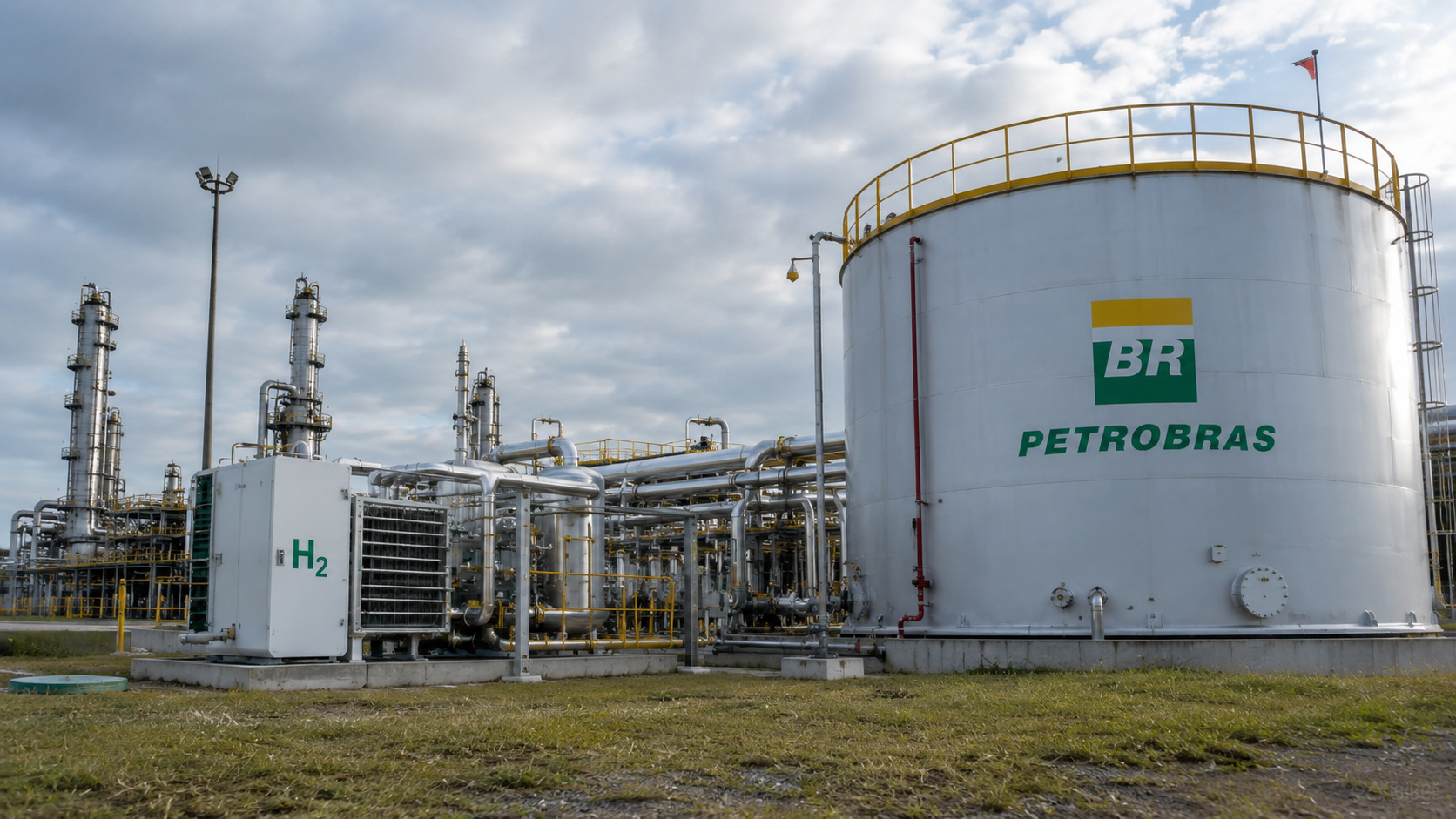
Advancement in renewable energy: A R$ 150 million project launched by Petrobras and Finep aims to create state-of-the-art electrolyzers for green hydrogen, strengthening national research and preparing Brazil to compete in a billion-dollar energy market.
-
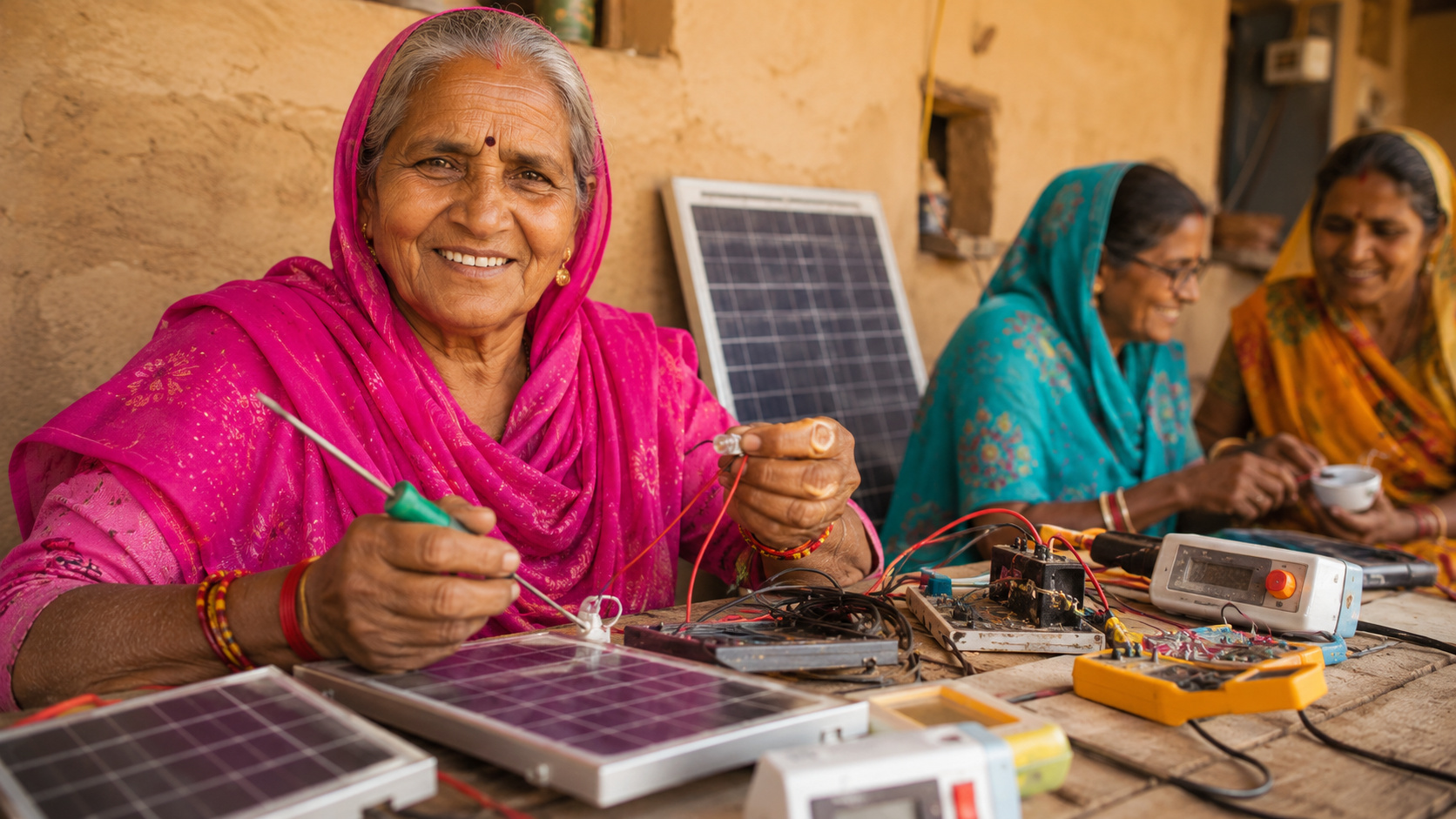
Illiterate or semi-literate grandmothers were trained to repair solar systems, open rural workshops, and light up homes that still depended on kerosene.
-
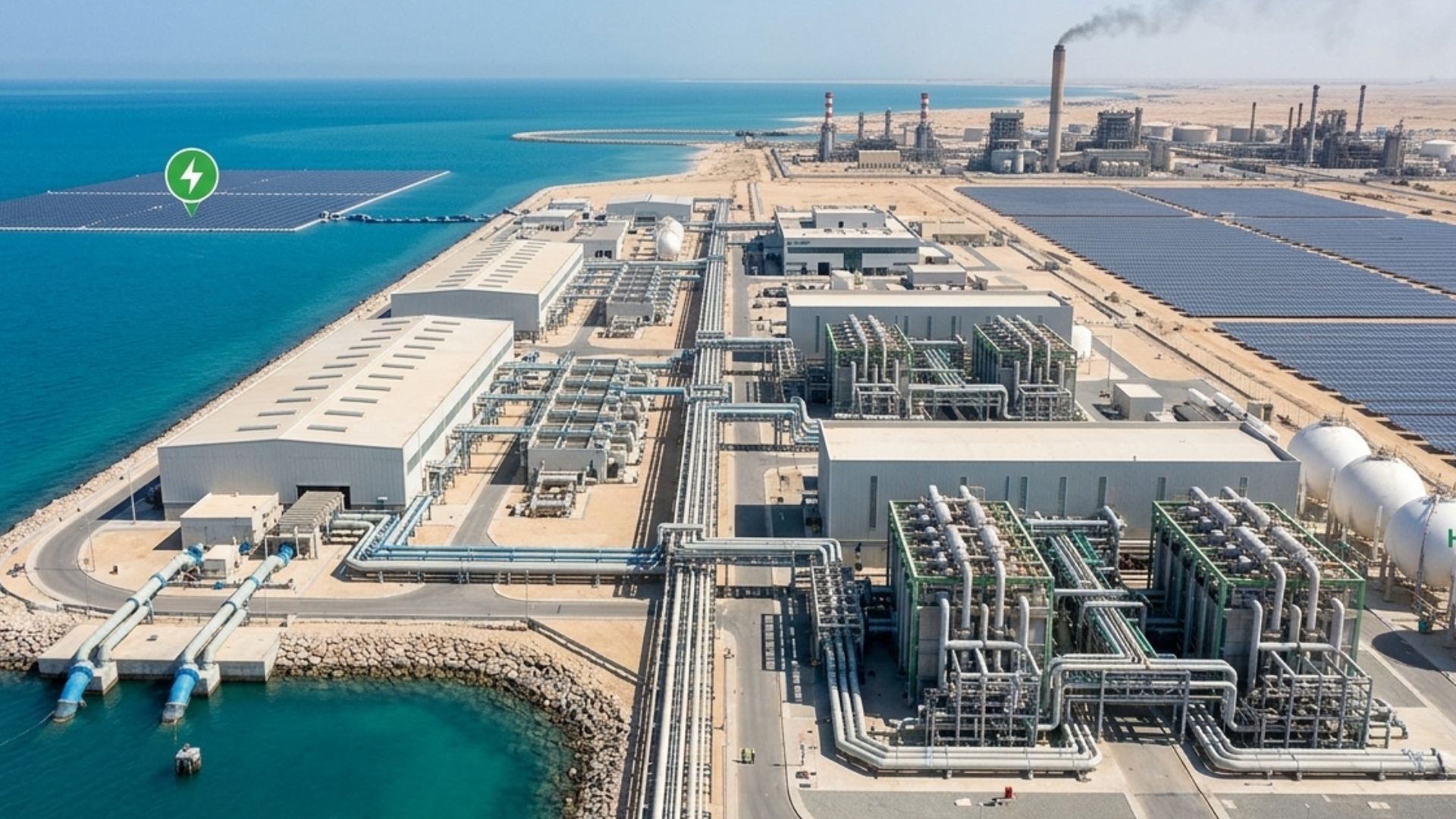
The world has bet on green hydrogen as the fuel of the future, but now faces the side effect: producing 1 kilogram requires about 9 liters of ultrapure water, and the largest projects on the planet are precisely in the driest regions of the Earth, where water is already scarce for people.


Responsible for the construction, operation, maintenance, and management of the mini solar power plants that will be installed by the government of Piauí are the companies: Consórcio Energia Sustentável, Consórcio Gm-Energia, and the Goian company Brenge Par Engenharia e Participação.
Piauí, a Leading State in Renewable Energy
Piauí is one of the Brazilian states that stands out significantly when it comes to clean energy, particularly wind and solar energy. According to Aneel, the state will account for the highest percentage of all states this year (2021), with an expansion of 190.35 MW in its energy matrix. Following Piauí are the states of Bahia with 155 MW and Rio Grande do Norte with 151 MW in their energy matrices.
Job Creation Through Solar Energy
The expectation for 2021 is that the photovoltaic solar source will bring around 147 thousand new jobs to Brazilians, according to data from the Brazilian Association of Photovoltaic Solar Energy (ABSOLAR). The data also indicates that the minimum investments in the sector this year will be R$ 22.6 billion, combining distributed and centralized generation segments.
A large part of the jobs created will come from distributed generation, which is primarily responsible for over 118 thousand jobs in Brazil. For distributed generation, the estimate is a growth of 90% compared to the total already installed by 2020, transitioning from 4.4GW to nearly double, 8.3GW.





Be the first to react!