Portuguese
  Spanish


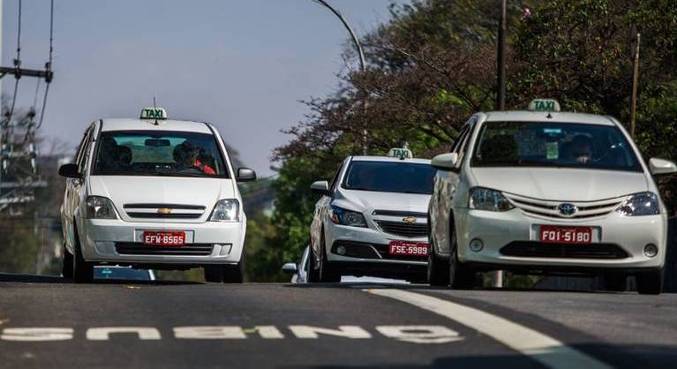

State Deputy Dionísio Lins (Progressista), president of the Transport Commission of the Legislative Assembly of Rio de Janeiro, presented a Bill (PL) aimed at encouraging the transition to electric and hybrid cars among taxi drivers, through discounts on ICMS. This initiative aims to promote the adoption of sustainable vehicles by this category.
Encouraging Sustainability in Taxis
The bill’s main goal is to encourage the modernization of the taxi fleet, reducing the emission of polluting gases and providing taxi drivers access to more economical and environmentally friendly vehicles. To benefit from this proposal, taxi drivers must be legalized, registered with the competent municipal agency, and have not purchased vehicles with exemption or non-incidence of ICMS in the last two years.
Restrictions and Awaiting Approval of the Bill
The PL also establishes that cars acquired with the discount can only be used as taxis, and the purchase will be limited to one vehicle per person. At the moment, the project awaits voting by the other legislators and its subsequent sanction.
-
Brazilian Factory Restores Truck Engines and Parts, Reducing Raw Material Use by Up to 85% After 80 Years in Business

-
British Marines Set Record by Changing Ford Escort Engine in 42 Seconds, Unbroken for 40 Years

-
BYD Owners in Brazil Raise Concerns Over Warranty After 87,000 km, Two Repairs in Three Days, and Over $500 in Costs

-
Classic Volkswagen Beetles of Brazilian Presidents to Swap Museums in Historic Partnership



Electric and hybrid cars represent a sustainable and economically viable alternative compared to vehicles powered by fossil fuels. They operate with rechargeable batteries, which can be charged at special stations or residential outlets. In addition to contributing to the reduction of polluting emissions, these vehicles provide numerous benefits to both drivers and society in general.
One of the main attractions of electric cars is the significant savings in energy consumption. According to the Brazilian Electric Vehicle Association, an electric car can travel up to 100 km with only R$ 8.00 in electricity, while a gasoline vehicle would need approximately R$ 50.00 to cover the same distance. This difference represents a reduction of more than 80% in fueling costs.
With this bill, it is hoped to not only promote sustainability in passenger transport but also considerable savings for taxi drivers, in addition to contributing to a cleaner and healthier environment in our cities.