





 Portuguese
  English
  Spanish
 3 min of reading
  0 comments


A Wind Farm Project in Rio Grande do Norte Was Negotiated for R$ 67.5 Million Between a Company Linked to the Owner of Banco Master and Former Minister Fabio Faria, in an Agreement Involving Real Estate, Investigated Companies, and Obstacles in the Electric Grid.
A winding farm project of large scale, planned for the coast of Rio Grande do Norte, became the center of a negotiation that mixes renewable energy, luxury real estate, investigated bankers, and a former minister of the Bolsonaro government.
The deal, finalized in February 2024, moved R$ 67.5 million, but to this day the venture has not materialized.
In the middle of this story are Fabio Faria, former Minister of Communications, and a company linked to banker Daniel Vorcaro, owner of Banco Master.
-
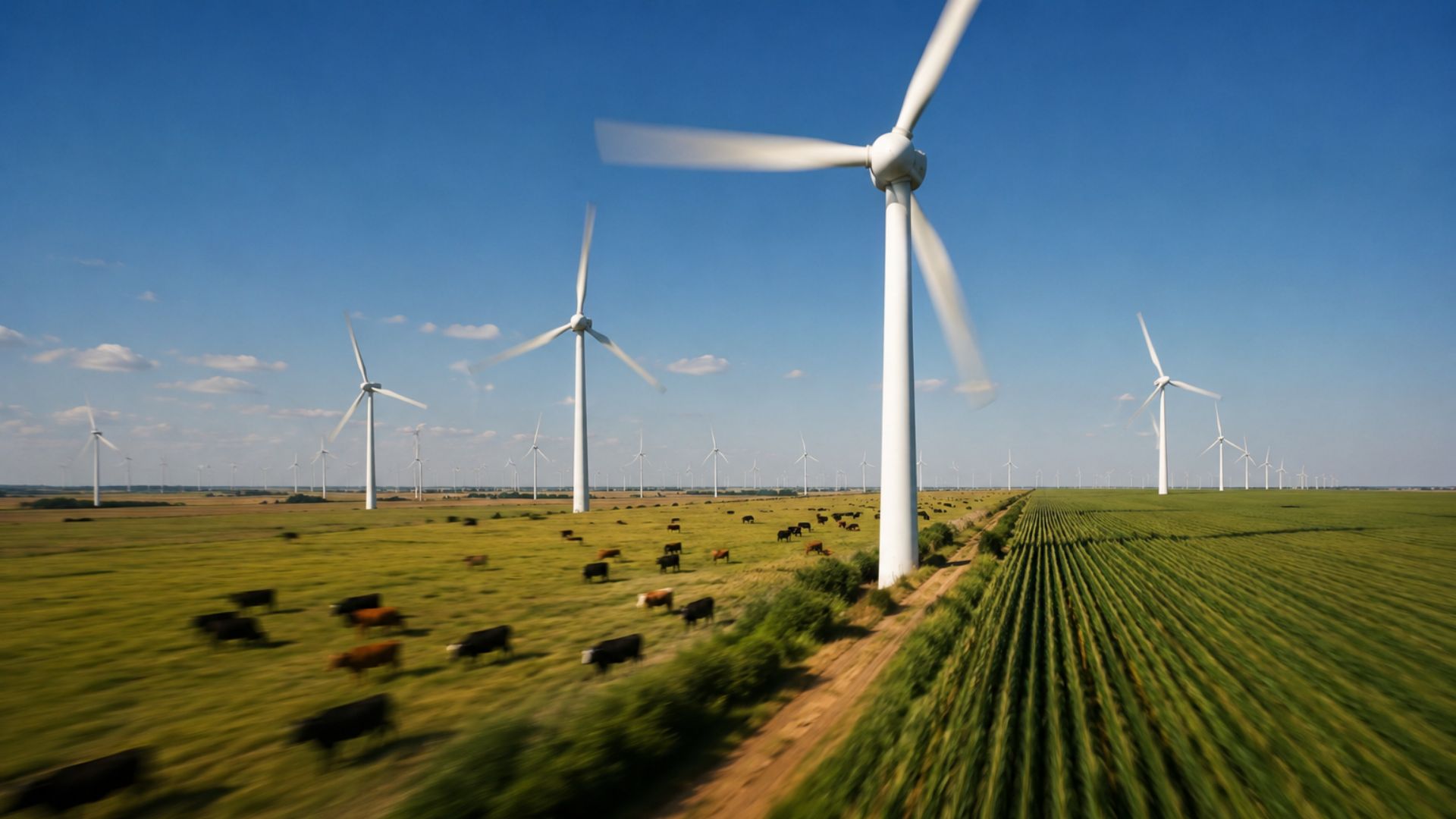
Taller than the Statue of Liberty, thousands of wind turbines are being planted in the middle of U.S. fields, creating two-story farms where corn and soybeans grow below while the wind turns into electricity above.

-
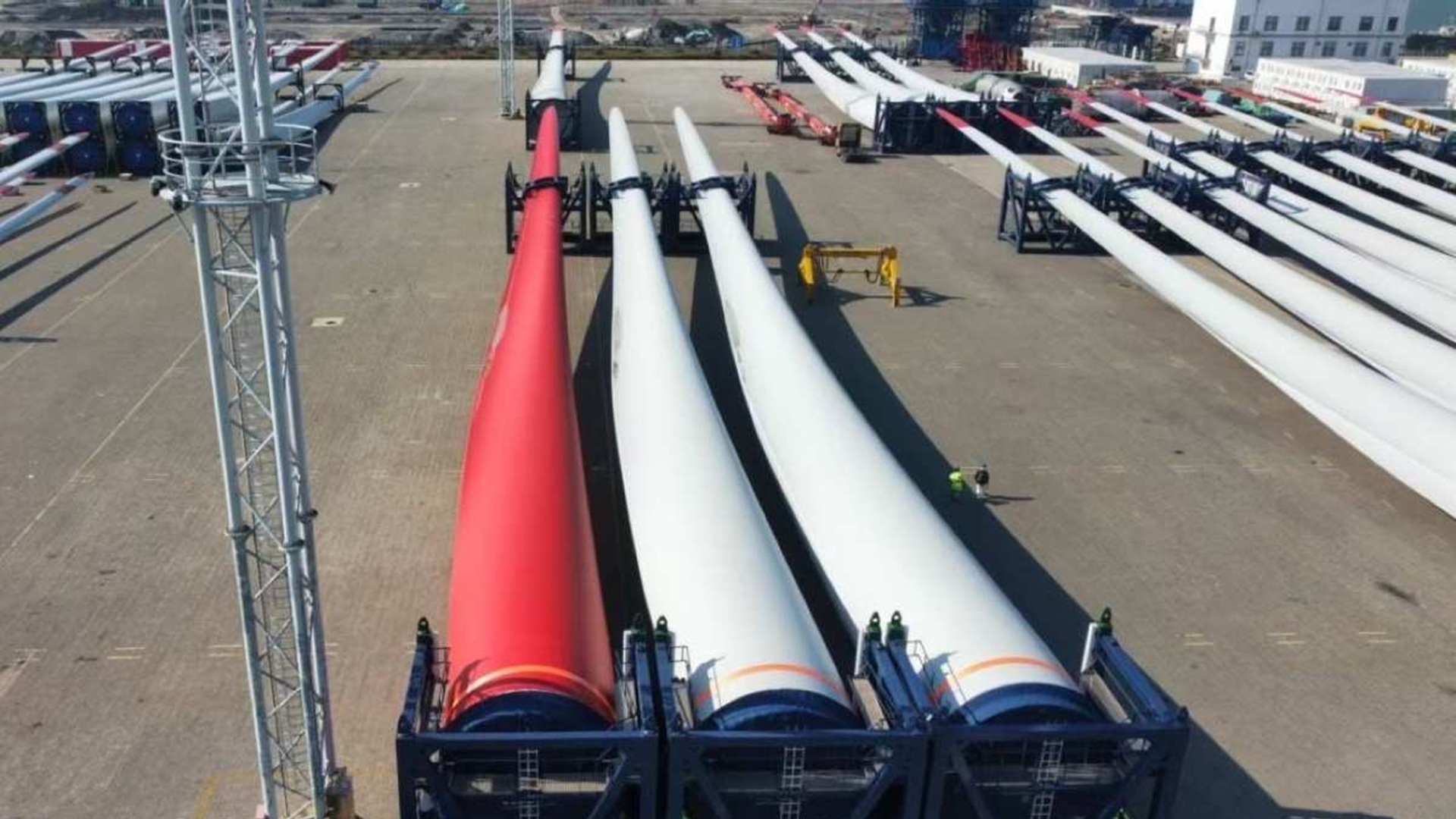
Dongfang breaks world record and manufactures 26 MW wind turbine in China with 137-meter blades that spin so slowly they appear stationary on the horizon.

-
Dutch wind farms attempt to innovate with red blade on turbines
-
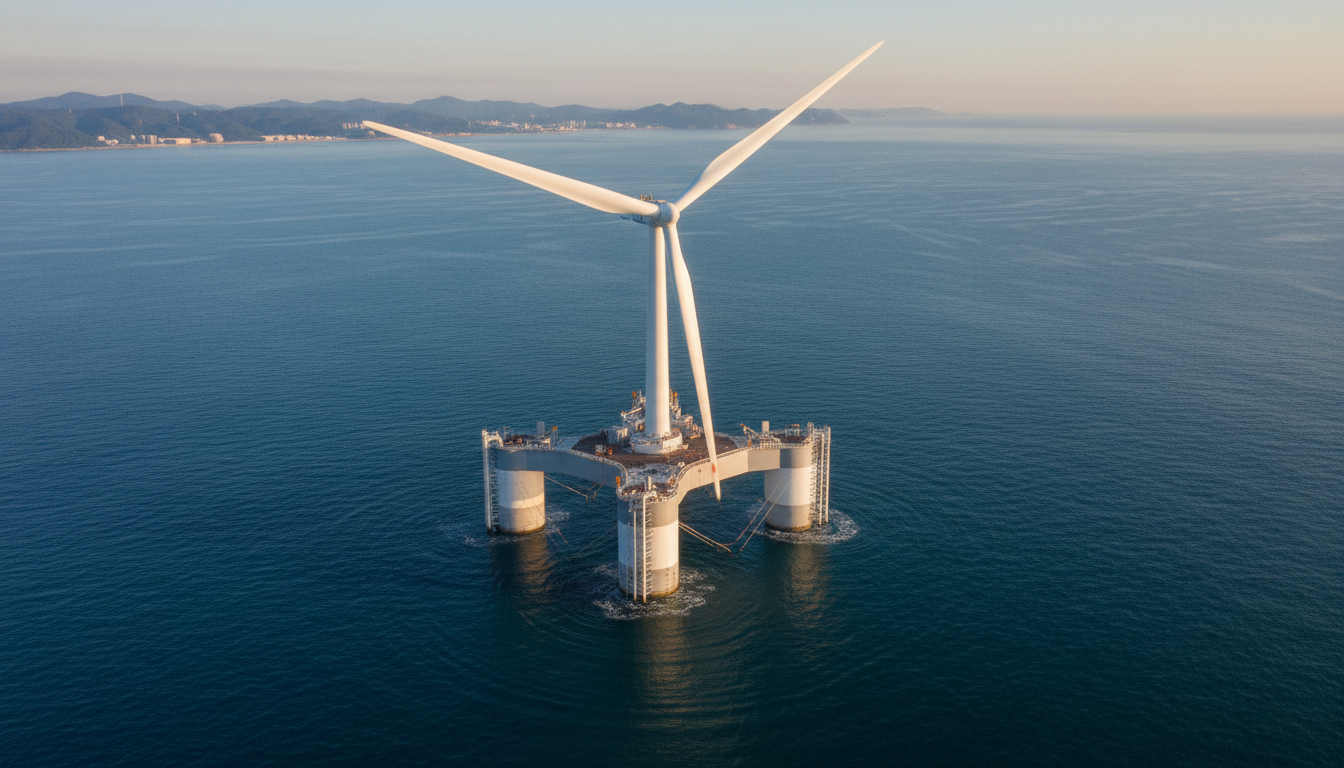
China installs the world’s largest floating wind turbine offshore with a 252-meter rotor and a swept area equivalent to 7 football fields.

Sale of Wind Farm Project Involved Property in Faria Lima
The company Super Empreendimentos e Participações, linked to Daniel Vorcaro, acquired 90% of a wind farm project owned by Fabio Faria. As part of the payment, Super delivered to the former minister an apartment valued at R$ 50 million, located in the Faria Lima Avenue area, in São Paulo.
The property spans 818 square meters, features five suites, seven bathrooms, and eleven parking spaces, in a high-standard building near the Pinheiros Club and Iguatemi Shopping.
Just a few months later, in September, Faria resold the apartment for R$ 54 million to a company from the Esfera Group, owned by businessman João Camargo. Of the total, R$ 24 million was paid upfront, while the remaining R$ 30 million was divided into 12 installments of R$ 2.5 million.
Total Operation Reached R$ 67.5 Million
Combining the value of the property and cash payments, the business involving the wind farm project amounted to R$ 67.5 million.

Despite this, two years after the contract was signed, Vorcaro’s company does not appear as a partner in the venture, neither in the Commercial Registry nor in the Federal Revenue.
The SPE, called Fazenda São Pedro Geradora de Energia, remains registered solely in the name of Fabio Faria, with a social capital of just R$ 1,000, even after the transfer of 90% of the quotas.
Company Used in the Business Is Under Investigation
Super Empreendimentos, which participated in the purchase of the wind farm project, is under investigation by the Attorney General’s Office. According to the investigation, the company was allegedly used to divert assets from Banco Master to Daniel Vorcaro.
At the time of the negotiation, the company was run by Fabiano Zettel, Vorcaro’s brother-in-law, who was arrested and released in January during the second phase of Operation Compliance Zero.
In a statement, Vorcaro said:
“The defense of Daniel Vorcaro clarifies that his client’s relationship with Super is commercial, involving operations for buying and selling assets and lease contracts. It also emphasizes that one of the partners in the company is Vorcaro’s brother-in-law, a publicly known fact.”
Area Has Belonged to Fabio Faria’s Family Since 1977
The land of the wind farm project has belonged to Fabio Faria’s family for three generations. The area of 9,661 hectares, located on the coast of Rio Grande do Norte, was acquired in 1977 by businessman Osmundo Faria.

From this, the heirs created an SPE to develop renewable energy projects, obtaining permits, wind studies, and authorizations.
In a statement, the former minister said:
“Fabio Faria did not know or have any interaction with the buyer of the project quotas during his political activities. The parties came to know each other about a year after the end of his public service.”
He also stated that all taxes were paid and that there is no personal partnership with individuals outside the shareholding structure of the purchasing company.
Do you think it makes sense to pay tens of millions for a wind farm project that today cannot even send energy to the grid?






Be the first to react!