






 Portuguese
  Spanish
  3 min of reading


What Are The Most Advanced Technologies Being Used In The Oil And Gas Industry Today?
The oil and gas industry has been a crucial sector for the global economy, providing fuel and energy for various areas of society. With advancements in technology, the oil and gas industry has undergone many changes in its processes and equipment. In this article, we will discuss the most advanced technologies being used in the oil and gas industry today.
The oil and gas industry is one of the most important in the world, providing a valuable source of energy for many applications, from electricity generation to transportation. To maintain its position in the market, the oil and gas industry has been forced to adopt more advanced technologies to increase efficiency, reduce costs, and minimize environmental impact.
Controlled Drilling Systems
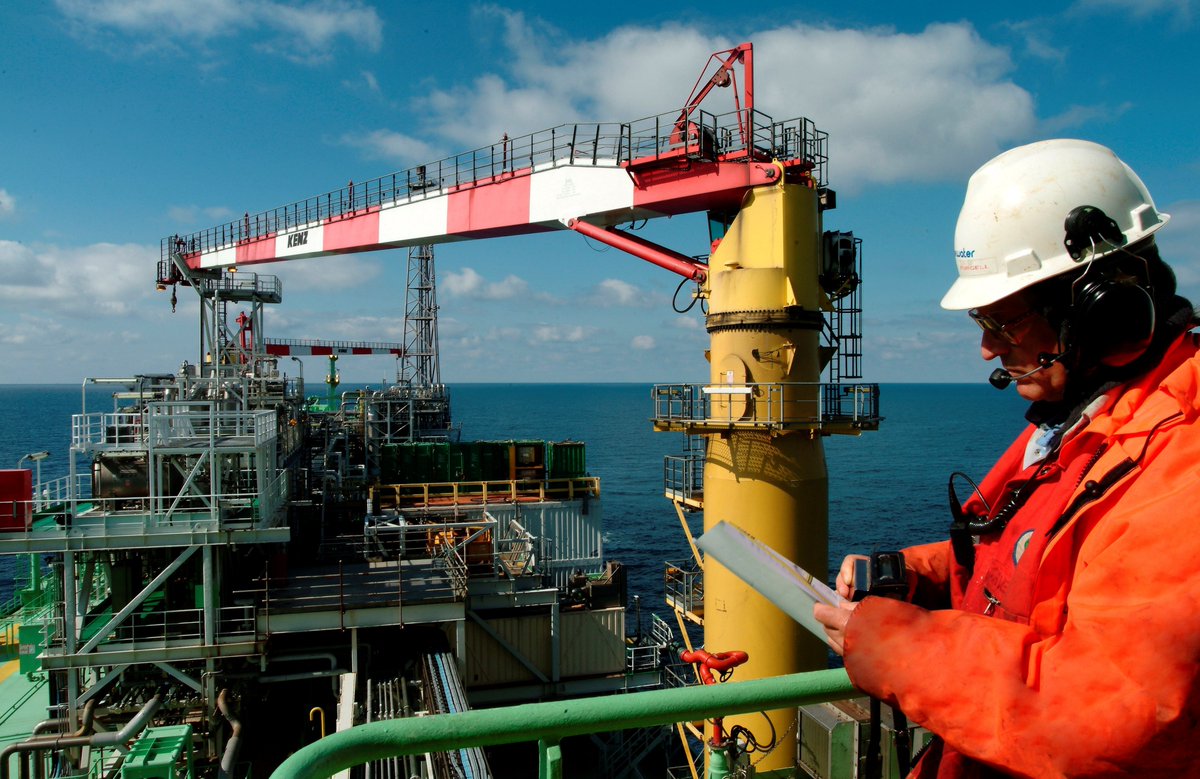
Drilling is one of the most essential operations in the oil and gas industry. Offshore drilling platforms are highly coordinated and organized operations. With controlled drilling systems, the operation is executed with greater safety, speed, and precision.
-
Petrobras is expected to complete the drilling of the Morpho well in the Foz do Amazonas in August 2026, the first well in the Equatorial Margin, an oil frontier that the ANP estimates at more than 30 billion barrels and could redraw the map of Brazil.

-
Oil returns to the center of concerns with tension between the US and Iran

-
IEA reduces forecast for global oil demand in 2026 after impacts of the Middle East crisis

-
Bank of Japan raises interest rates to 1%, reaching the highest level in over three decades



Underwater Robotics
Underwater robotics is a crucial component of the oil and gas industry, as it helps execute complex and dangerous tasks in deep waters. With the aid of underwater robots, it is possible to carry out inspections, repairs, and maintenance of underwater equipment.
Data Analytics and Artificial Intelligence Technologies
Data analytics and artificial intelligence (AI) technologies are becoming increasingly important in the oil and gas sector. With the amount of data generated during exploration and production, companies need tools to analyze this data quickly and efficiently. Data analytics allows companies to identify trends and patterns, which can lead to firmer decisions and thus more efficient production.
The AI system can be used to predict equipment failures, which can help reduce downtime and associated costs. It can also be used to help optimize production by finding an ideal combination of pressure, temperature, and other factors to maximize output. AI can enhance safety in hazardous workplaces by analyzing data to identify potential risks and prevent accidents.
Drones
Drones are becoming increasingly popular in the oil and gas industry, especially for inspections in remote or dangerous locations. They can be equipped with cameras, sensors, and other equipment that can be used to inspect pipelines, platforms, and other hard-to-reach equipment. Drones can also be used to monitor oil spills and identify potential leak areas.
Virtual And Augmented Reality
Virtual reality (VR) and augmented reality (AR) are becoming increasingly common in the oil and gas industry. These technologies can be used for employee training, allowing workers to learn how to operate complex equipment in a simulated and safe environment. Furthermore, VR and AR can be used for real-time data visualization, enabling workers to see important information about production and equipment performance in an easily understandable visual format.


Be the first to react!