






 Portuguese
  Spanish
  4 min of reading
  0 comments



Even With Impeccable Appearance and Low Mileage on the Odometer, Some Subtle Signs May Indicate That the Mileage of a Used Car Has Been Manipulated.
Buying a used car requires attention to many details. One of the most important is to check if the mileage is genuine. With simple techniques, it is possible to identify signs of real use and avoid cars with tampered history.
See several practical tips for those who want to buy a vehicle with up to 100,000 km on the clock and ensure the information is reliable.
Pedals, Steering Wheel, and Leather Can Reveal the True Wear
One of the first points to observe should be the condition of the pedals. Very worn pedals, with metal showing, can indicate intense use, even if the odometer shows low mileage.
-
The YouTuber Mark McCann bought a Bugatti Veyron for almost $1.2 million, but discovered that the supercar’s gearbox is so damaged that even Bugatti itself won’t accept to repair it, and the repair could cost a fortune.

-
Thinking about buying a used HB20? See why the 2015 model is still a crowd favorite, with cheap parts, easy-to-fix mechanics, a strong engine, and quick sales.

-
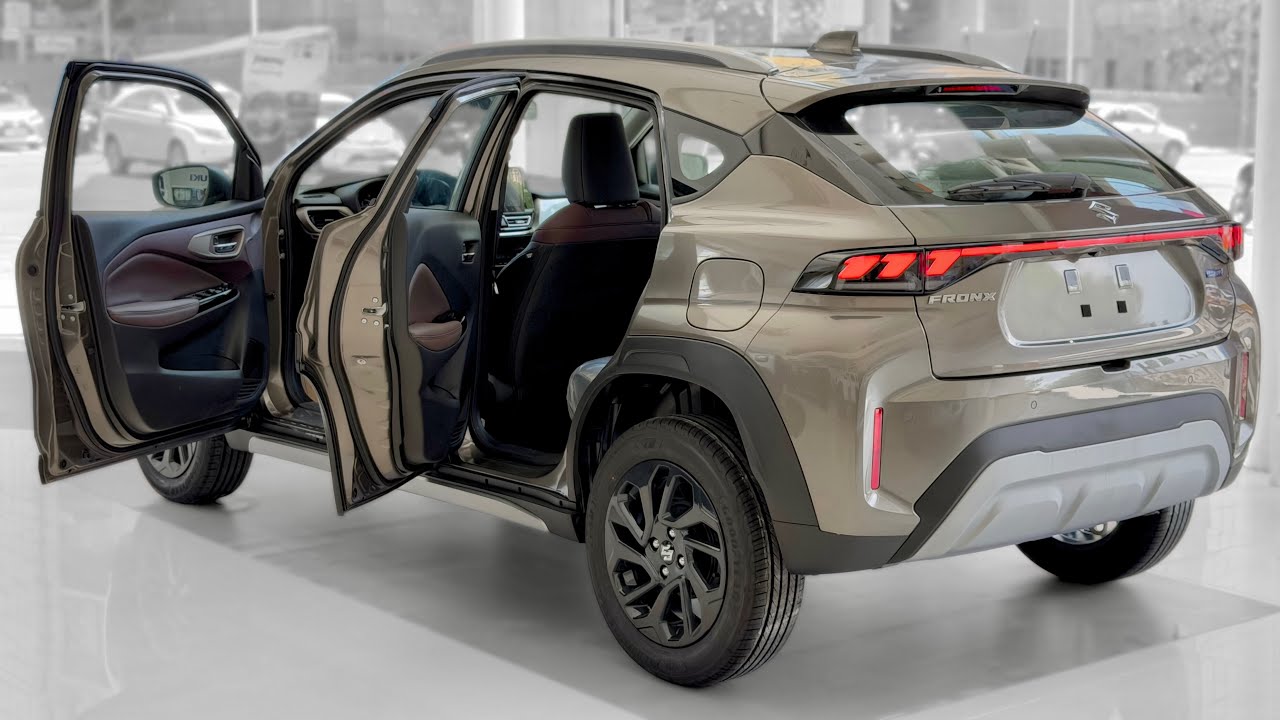
Suzuki Fronx emerges as the “compact coupe SUV” that Brazil doesn’t have: priced around R$ 37,000 in a tax-free conversion, the model has a hybrid version, 1.0 turbo engine, bold design, and the price of a popular car in India.

-
Not every car with a battery is truly electric; some hybrids never run solely on electric power, and since 2025, ABVE stopped counting mild hybrids as electrified, and these differences change everything when buying.



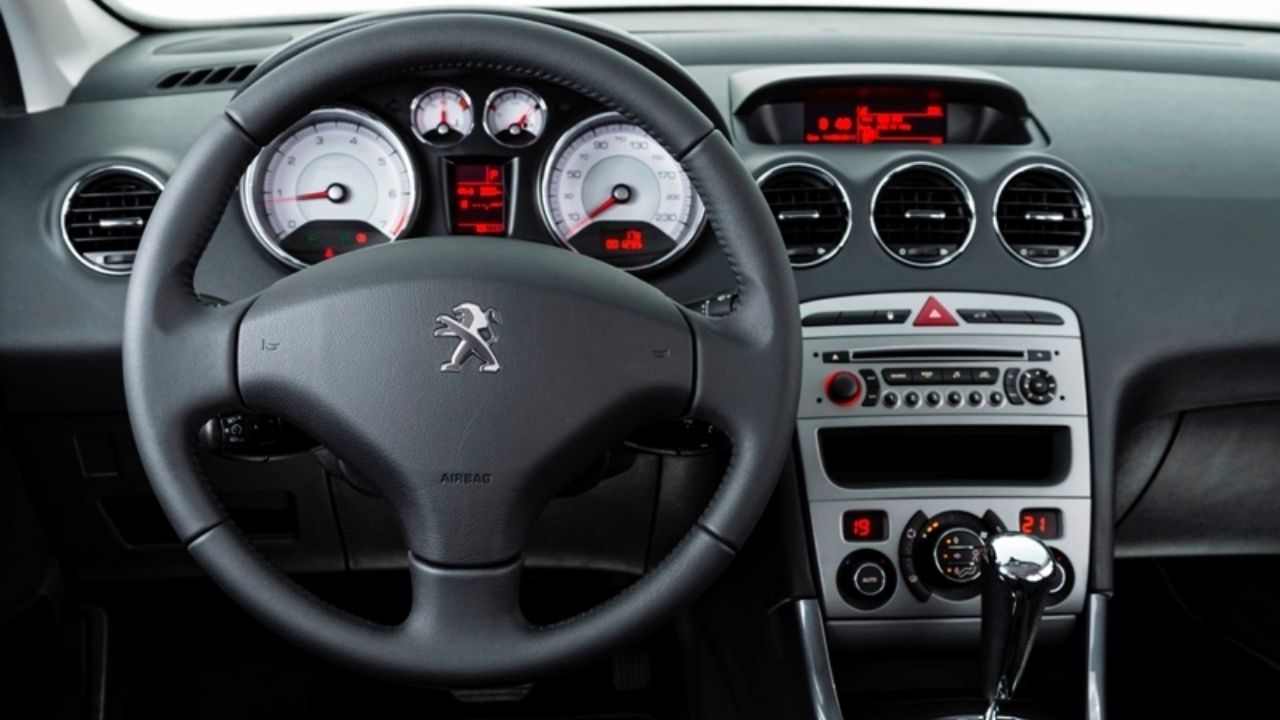
This is common when the driver uses heavy boots, which accelerate wear. In automatic cars, the brake pedal is the one that most reflects the use.
The steering wheel is another critical point. Steering wheels that look too new in cars with many years of use may indicate that the part was replaced, raising doubts about the true mileage.
The leather on the seats also provides clues. Excessive wear, cracks, or color differences between the front and rear seats indicate use beyond what is declared.
Stitching that looks very new, even in cars with several years, is another warning sign.
Seats, Upholstery, and Carpet: Pay Attention to the Details
People with overweight tend to cause greater wear on the seats, especially on the driver’s side.
Sunken seats, with deformed foam, indicate intensive use. In cars with 100,000 km, some level of wear is expected, but not in all areas at the same time.
The rear seat should also be analyzed. If it has a color and texture very different from the front seats, it may be a sign of replacement or partial restoration, which does not match a low-mileage car.
The line of stitching reveals the true age: very white threads are uncommon in older vehicles.
The carpet on the floor needs to be checked by hand. Some cars with 100,000 km still maintain the carpet fibers intact.
Others, with tampered mileage, are already “stripped,” with no trace of the original fabric.
Buttons, Handles, and Trim Also Reveal Use
Dashboard buttons, multimedia center controls, handles, and chrome parts of the interior should be in good condition.
In cars with over 100,000 km, it is common for some of these buttons to be worn. If they are too new, it’s good to be suspicious. In particular, the handbrake button and gear shift head are parts that suffer over time and use.
Another point to observe is the fuel tank and trunk controls. If these pieces are very smooth or have worn paint, it is a sign of high use.
General Appearance and Sensation of Use Matter a Lot
The overall aspect of the car also matters. When a car has genuinely low mileage, it “draws the buyer in.”
The impression is that it is a well-maintained and low-mileage car. Vehicles with signs of excessive use and little visual coherence among components should be avoided.
Furthermore, cars with low mileage but with steering wheels, seats, and pedals showing many signs of use should raise suspicions.
A car with 70,000 km and completely worn leather, for example, probably had its odometer tampered with.
Real Cases and Professional Evaluation
In a real car with 100,000 km on the clock, the car may be in the following conditions. The leather stitching is naturally aged, with small color differences that do not compromise originality.
The pedals, steering wheel, buttons, and trim details are consistent with the declared use.
The armrest, air conditioning buttons, and gear shift paddles are slightly marked, which is expected for this mileage.
Moreover, the expert reminds us that dirt does not mean that the car has been poorly maintained. A dirty vehicle is not synonymous with a finished car. The important thing is to check the original condition of the materials.
The conclusion is clear: it is indeed possible to identify cars with genuine mileage based on the appearance and wear of the components.
For those who are not experts, just follow the steps and observe calmly. If many points are out of the standard, the chance of the car being tampered with is high.







-

-

2 people reacted to this.