Portuguese
  Spanish



Investments in the Biogas Sector Are Expected to Be Launched During 2023.
Volkswagen do Brasil is one of the first companies in the automotive sector that is using biogas in car production. In short, according to them, they intend, within a year, to use biomethane and renewable natural gas in their factories located in São Bernardo do Campo and Taubaté, both located in the state of São Paulo. Investments in the sector are expected to be inaugurated starting in 2023. The partnership was closed with Raízen.
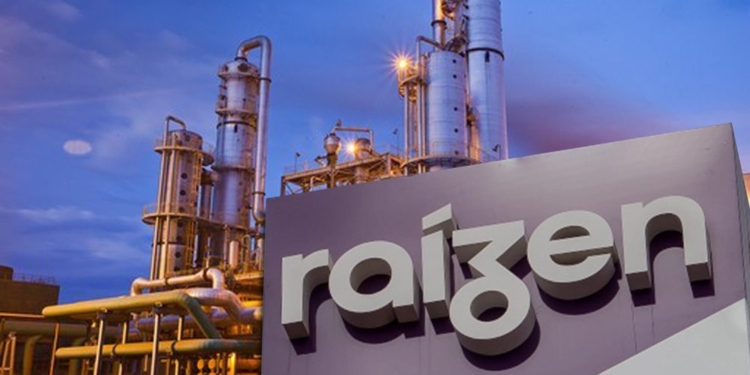
Raízen is the company that signed the contract with the institution for the supply of at least 50,000 meters of biomethane starting next year. In short, the material is expected to automate the painting process of car bodies. Data revealed by both brands shows that the use of natural gas will help reduce carbon dioxide emissions by more than 19,000 tons per year! This means that the institution is about to reduce at least 90% of all its emissions in order to achieve sustainable goals in the short term. Some countries are also committed to the Paris Agreement to reduce emissions and make production clean by 2030.
Volkswagen Is a Pioneer When It Comes to Sustainability
The YouTube channel called Coisas de Agora shows more about the pioneering work in engine production and sustainability at the institution’s factory, most of which are located in the state of São Paulo:
-
Looking for a Car for Dirt Roads? Fiat Uno, Strada, and Volkswagen Gol Offer Durability and Affordability

-
MG Motor to Produce Two Electric Cars in Brazil with $75 Million Investment, Creating 600 Jobs
-
Nissan Kicks S Direct 2018: Affordable Used SUV with Over 13 km/l Fuel Efficiency, 432-Liter Trunk, and CVT Automatic Transmission
-
Iconic Orange Double-Decker Bus, a Dutch Fan Favorite for Over 20 Years, Arrives in Texas for the World Cup After Touring Brazil, England, Qatar, and More


‘Way To Zero’
Pablo Di Si, Executive Chairman of Volkswagen Latin America, stated that the institution aims to promote the ‘Way To Zero’, which involves carrying out all processes of automobile manufacturing without any carbon dioxide emissions that can alter the pH of water and land.
The Chairman asserts that Brazil is in the process of decarbonization and that Volkswagen intends to accelerate by reducing a significant portion of its emissions by 2024. Thus, it is estimated that sugar and metal will be major allies for productivity in the near future – which will increase the demand for these raw materials within the Brazilian agribusiness sector.
Raízen, through Raízen Geo Bio Gás S.A., states that it intends to build its second plant in Brazil for biogas production by next year. This new plant will be exclusively dedicated to biomethane production. The approved investment between the two brands is around R$ 300 billion, and the plant is located in Bioparque Costa Pinto, Piracicaba – SP with over 26,000 cubic meters of gas. In other words, this would be equivalent to 200,000 clients.
In addition to Volkswagen becoming synonymous with sustainability in its car production, the institution has dozens of job openings on its LinkedIn and intends to generate even more opportunities with its shift, which is set to happen next year.