






 Portuguese
  Spanish
 3 min of reading
  0 comments


Understand How the Expansion of Renewable Sources in Bahia Affects Chapada Diamantina, Generating Conflicts and Social Transformations
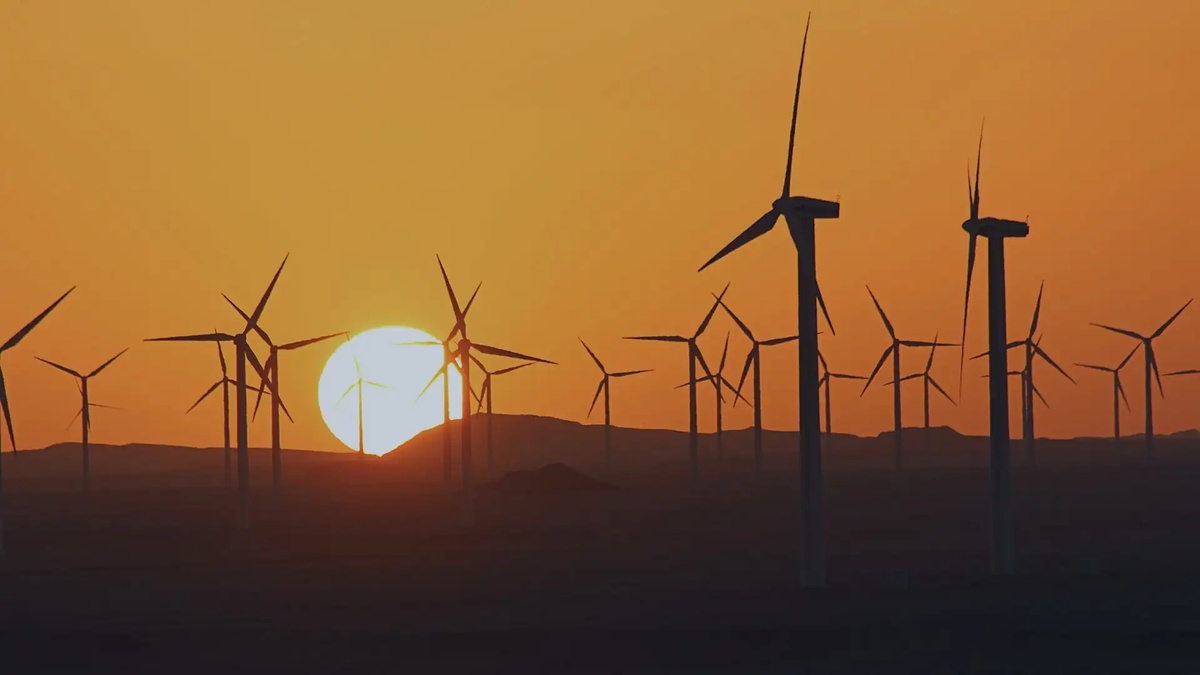
The Chapada Diamantina, located in the state of Bahia, stands out as one of Brazil’s main hubs for renewable energy generation.
According to data from the National Electric Energy Agency (Aneel), by June 2025, the region will concentrate 43% of the wind and solar projects in Bahia. Currently, there are 238 projects in operation and a total of 529 approved.
This expansion aims to meet the growing demand for clean energy sources. This is due to the need to reduce carbon emissions and adapt to the electric vehicle market.
-
Brazilian scientists are simultaneously advancing two research projects on clean hydrogen and driving solutions that could transform the energy matrix, enhance industrial competitiveness, and accelerate large-scale emission reduction targets.

-
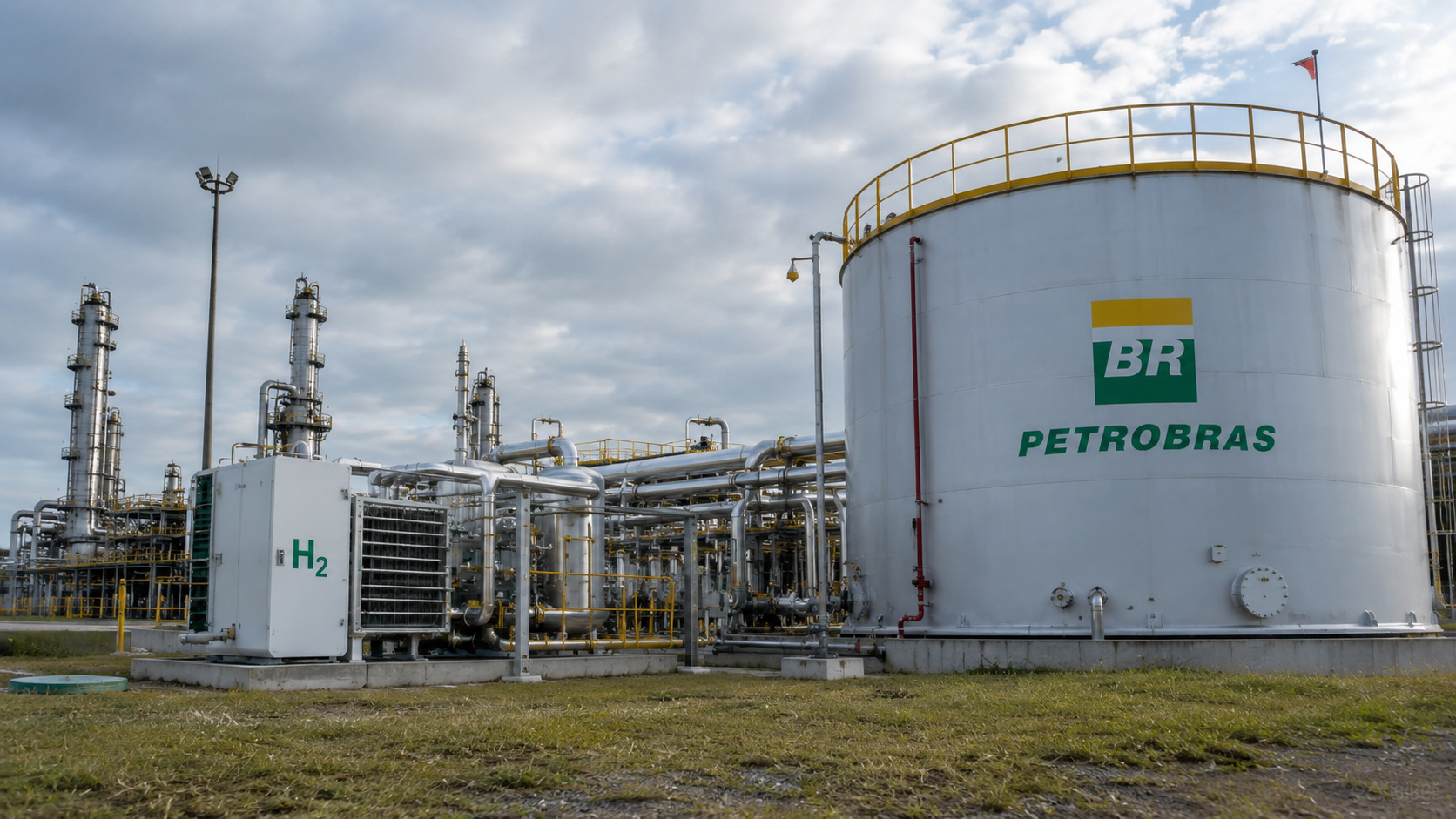
Advancement in renewable energy: A R$ 150 million project launched by Petrobras and Finep aims to create state-of-the-art electrolyzers for green hydrogen, strengthening national research and preparing Brazil to compete in a billion-dollar energy market.
-
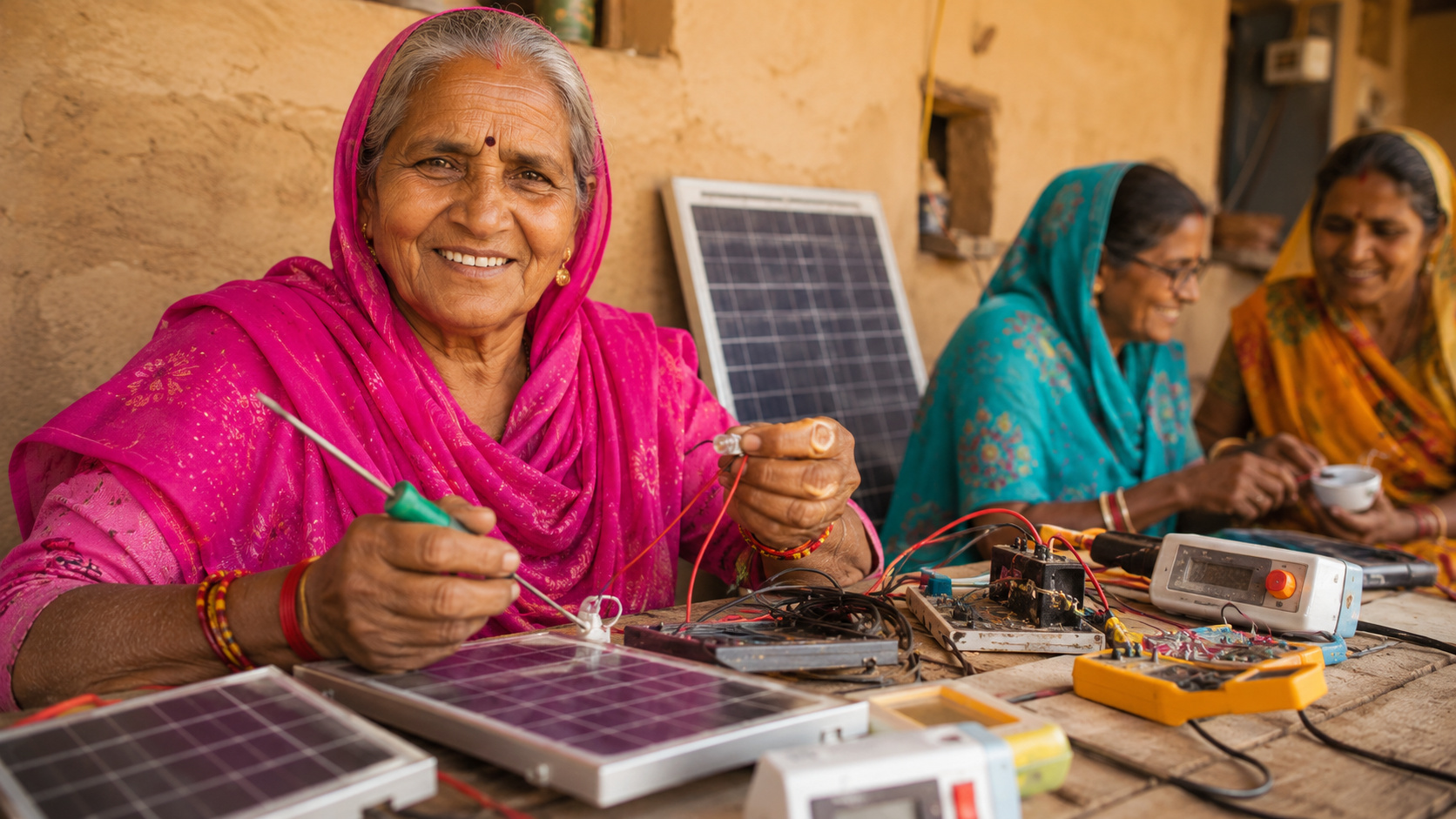
Illiterate or semi-literate grandmothers were trained to repair solar systems, open rural workshops, and light up homes that still depended on kerosene.
-
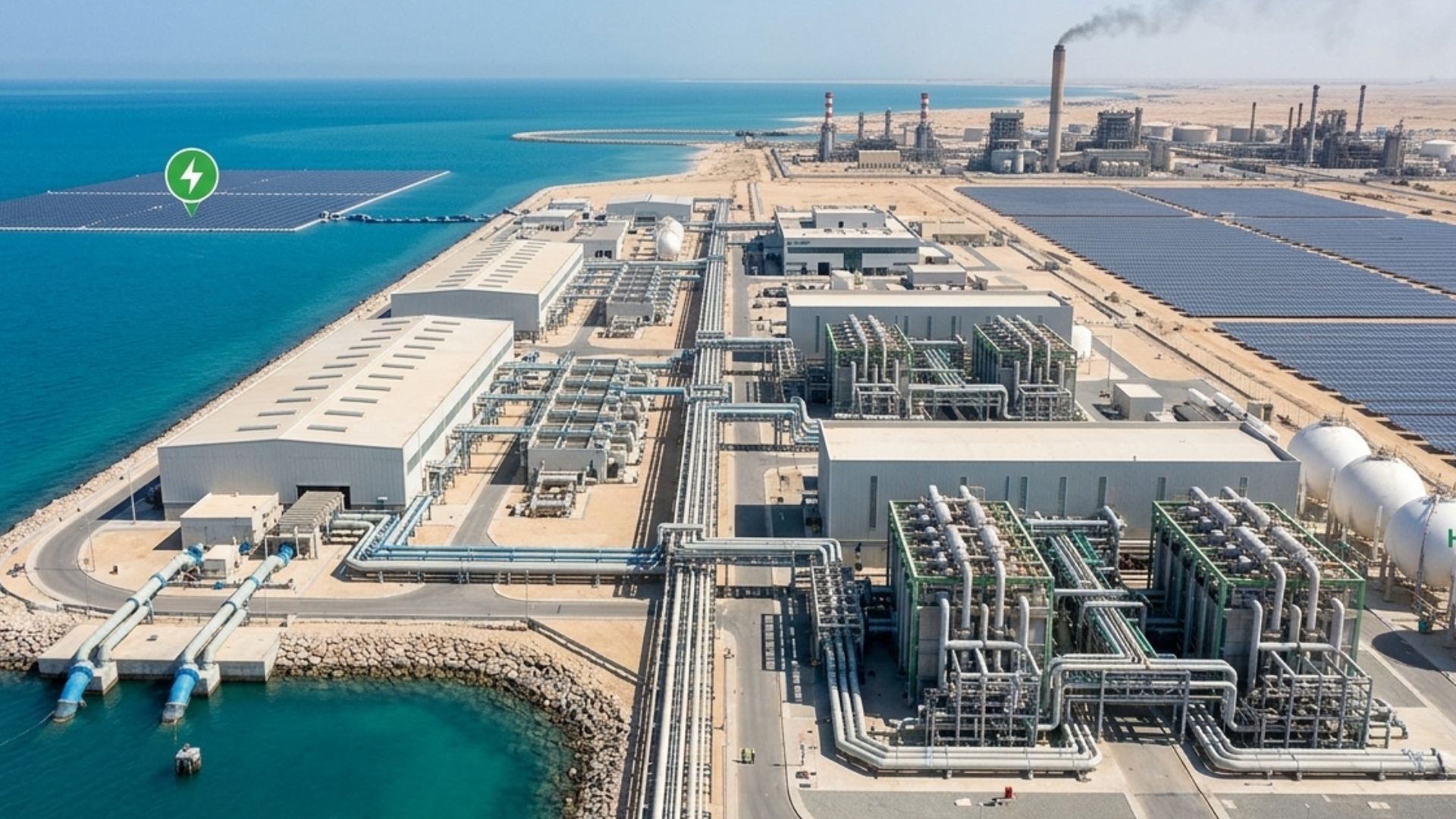
The world has bet on green hydrogen as the fuel of the future, but now faces the side effect: producing 1 kilogram requires about 9 liters of ultrapure water, and the largest projects on the planet are precisely in the driest regions of the Earth, where water is already scarce for people.


It is estimated that by 2050, Brazil will need to more than double its energy generation capacity. This need is a fundamental part of the country’s energy transition goals.
Conflicts with Traditional Communities and Social Impacts
Despite the environmental benefits associated with renewable energies, the implementation of these projects in Chapada Diamantina has generated conflicts with traditional communities.
These communities include Indigenous groups, quilombolas, and residents of areas known as fundo and fecho de pasto. All report the abrupt arrival of companies, without prior consultations or clear information.
The physical impacts are also felt. Among them are cracks in houses caused by infrastructure works related to the installation of wind and solar parks.
Increased Mining and Its Environmental Effects
The demand for essential minerals for the production of renewable energy equipment has driven mining in Chapada Diamantina. These minerals include tin, germanium, silver, selenium, silicon, cobalt, copper, rare earths, iron, manganese, and nickel.
According to research from the Geografar Institute at the Federal University of Bahia (Ufba), there has been a 35% increase in mineral research requests in Bahia over the past five years.
This growth revives the historical mineral exploitation in the region that began in the 16th and 17th centuries and now reignites conflicts with local communities.
These populations face serious environmental impacts and changes to their ways of life. In addition, they report a lack of oversight and the unchecked expansion of mining.
Mobilization of Women in Defense of Territories
In response to these challenges, women from Chapada Diamantina have been mobilizing to defend their territories. They seek to preserve their ways of life in the face of pressure from large projects.
On March 7 and 8, 2025, about 60 women gathered in Piatã and the Bocaina Quilombola Community. The event, called Meeting of Women in Movement: The Energy of Chapada, brought together various leaders.
During the meeting, the impacts of the energy transition were discussed from a gender perspective. The proposal also strengthened local resistance networks.
Need for Dialogue and Inclusive Public Policies
The expansion of the renewable energy matrix in Chapada Diamantina, therefore, highlights the urgency of more inclusive public policies. Additionally, it is necessary to reconcile development with the protection of traditional community rights.
To achieve this, it is essential, first and foremost, to establish mechanisms for prior consultation and social participation. Only then, with transparency and ongoing dialogue, will it be possible to ensure that the projects respect local interests.
With this, it is necessary to monitor the social and environmental impacts of mining and energy generation. This will allow for the creation of effective policies that promote socio-environmental justice.
Preserving local ecosystems is as important as ensuring access to energy. This way, the energy transition can occur in a fair, sustainable, and truly democratic manner.




Be the first to react!