Portuguese
  Spanish


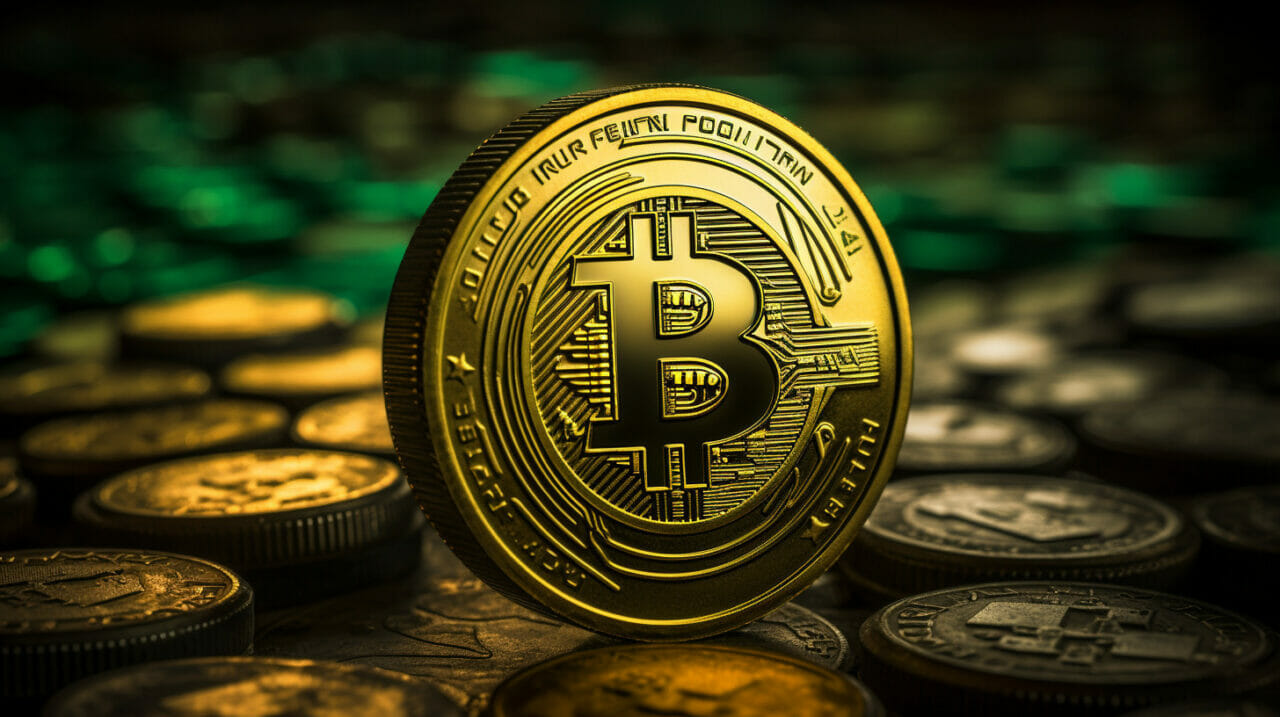

Testing Phase of the Tokenized Currency Is Controlled by the Central Bank and Can Revolutionize the Financial System.
Now it is official: Caixa Econômica Federal and Banco do Brasil (BB) have just put the Digital Real into practice, making history with the first transfer via Drex between public banks. Drex, not just a mere technological experiment, has been seen as a key piece in the much-talked-about tokenization of the Brazilian economy.
What Is Drex and Why Does It Matter?
Drex is more than just a simple digital transfer system; it is viewed as the future of the tokenized economy. In simpler terms, we are talking about a mechanism that creates digital representations of real assets.
For those who are still out of the loop, this is an innovative way to speed up transactions and enhance security, thanks to blockchain technology, which offers complete traceability of operations. It is somewhat like giving a “boost” to the financial system we already know.
-
Brazilian Startup Turns Coffee Grounds into Plant-Based Leather, Cutting Water Use by Over 50 Times for High-Impact Sustainable Fashion

-
Eco Invest Auction Aims to Unlock $10 Billion in Investments, Focusing on Green Fertilizers, Critical Minerals, Batteries, and AI for Clean Industry in Brazil

-
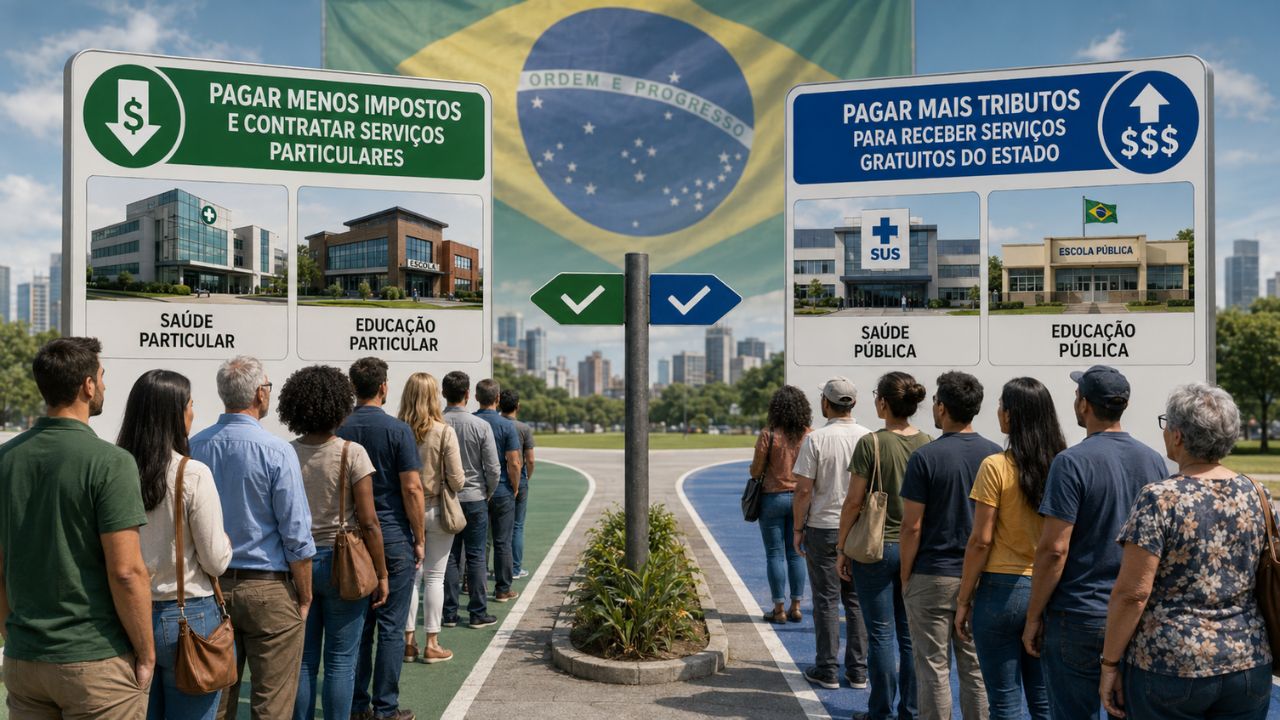
Half of Brazilians Prefer Lower Taxes with Private Health and Education, While 44% Opt for Higher Taxes for State-Provided Services, Datafolha Survey Reveals

-
Brazil’s Most Expensive Toll Rises to R$ 40.60 on Route from São Paulo to the Coast, Nearly Matching Bus Fare to Santos



The Central Bank in Direction
Orchestrating this entire digital revolution, the Central Bank (BC) has been leading the testing phase of the currency, counting on the active participation of Caixa and BB. The pilot of this new phase took place between August 30 and 31 and was set in the testing environment of the BC itself.
First, there was a transfer from BB’s wallet to Caixa. Then, the amount was redirected back to BB’s original wallet. It’s a “back and forth” that seems simple but holds immense significance for the future of money in Brazil.
From Financing to Tokenization of Securities
According to Caixa, this technology has the potential to, for example, drastically speed up the release of funds in real estate financing.
We are talking about just a few hours, folks! The tokenization of public or private securities is also on the radar of possibilities.
Words from the Presidents
For Rita Serrano, president of Caixa, the collaboration between the institutions “represents a commitment to innovation and the modernization of the financial sector.” Meanwhile, the president of BB, Tarciana Medeiros, reinforces that Drex is a living proof of the capability for innovation and adaptation of the National Financial System.
What Is Tokenization
Tokenization is a term that has been gaining traction in discussions about financial innovations, and it’s not hard to see why. This technology enables the creation of a digital representation of a real asset, whether it’s a currency, a security, or even real estate.
In other words, tokenization transforms a physical asset or right into a digital “token,” which can be transferred, stored, or traded in digital systems, often based on blockchain.
This digital representation, the “token,” becomes a digital substitute for the real asset, allowing it to be moved and managed on digital platforms with much greater agility and security.
The best part is that this revolution is not limited to the financial field; it has the potential to impact various sectors of the economy, from real estate to copyright, making transactions more efficient and transparent.