Portuguese
  Spanish


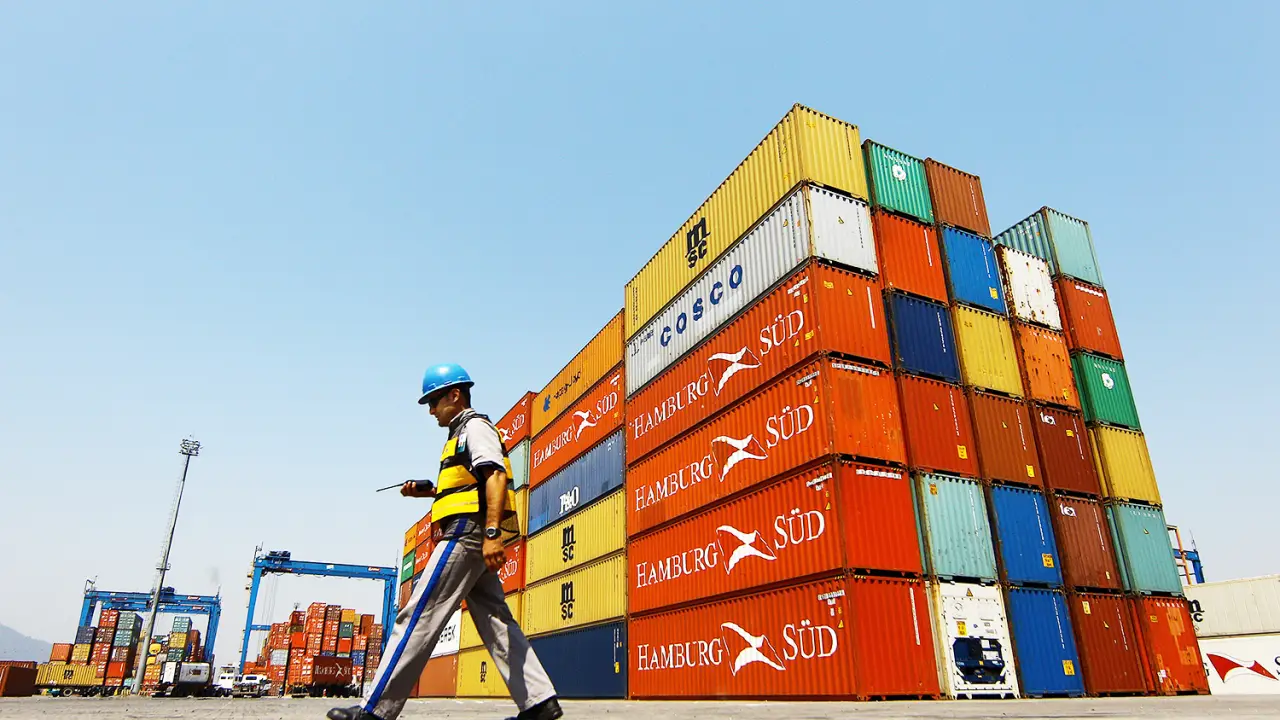

Recording a surplus of US$ 1.078 billion until the present moment of January, the Brazilian trade balance has export results reaching US$ 11 billion and imports at US$ 9.29 billion.
The main competitor in this trade was around US$ 20.29 billion. The Ministry of Development, Industry, Commerce and Services released the data about this surplus. The growth of exports in the second week of January 2023 was 16.8% compared to January 2022, causing imports to fall by 1.6%. Thus, the Brazilian trade balance recorded a surplus of US$ 1.71 billion, and its trade competitor increased by about 7.6%.
As of now in 2023, the performance of each sector was as follows: in Agriculture, growth was 17.1%, amounting to US$ 1.85 billion; in Extractive Industries, growth was 18.9%, reaching US$ 2.40 billion, and also 16.1% growth in the Manufacturing Industry, which increased to US$ 6.69 billion. All these combined results led to an increase in exports.
After the growth in sales of some products, the expansion of exports was significant, including: Rye and wheat, not ground (24.3%), Paddy or rough rice (167.2%) in the Agriculture sector; Some other raw minerals (318.7%), Copper ore and its concentrates (252.7%), Crude oil or minerals and crude (21.7%) in the Extractive Industry; Frozen, fresh or chilled poultry (46.9%), Molasses and sugars (67.8%), and Pig iron, sponge iron, spiegel, granules, steel, and iron alloys (59%) in the Manufacturing Industry.
-
Brazilian Entrepreneur Expands Automotive School to 48 Locations, Acquires Electric Car Company to Lead Technical Training in Latin America

-
Former Roma and Fiorentina Player Filipe Gomes Returns to Brazil to Found Empório do Galeto, Aiming for $10 Million Revenue by 2026
-
Many Unaware: Seniors Entitled to Monthly Income, Free Transport, Medication, and Property Tax Exemption in Brazil

-
Brazil’s BNDES Funded Metro and Steel Plant Projects in Venezuela with Brazilian Support



Despite the growth in export results, the following products saw a decrease in their sales: Spices (-29%), Raw cotton (-20.7%), Soybeans (-47.5%) in Agriculture; Nickel ore and its derivatives (-66.1%), Iron ore (-0.6%), and Aluminum ore and its concentrates (-58.8%) in the Extractive Industry; Semi-finished and other forms of iron or steel (-20.2%), Non-laminated iron or steel products, or plated, or coated (-83.6%) in the Manufacturing Industry.
The performance of imports until the 2nd week of January 2023 by economic activity sector was as follows:
Agriculture saw growth of 24.0%, amounting to US$ 0.22 billion; with a decrease of -46.3% in Extractive Industries, reaching about US$ 0.63 billion, and finally, with growth of 5.8% in Manufacturing Industries, reaching US$ 8.42 billion. With this combination of results, the decline in imports was prompted.
The motivated decline in imports was influenced by the reduction in purchases of the following products: Unmilled corn, excluding sweet corn (-30.9%), Latex, rubber, gutta-percha, guaiule, chicle (-42.5%), Soybeans (-92.5%) in Agriculture; Nickel ore and its concentrates (-2.6%) Iron ore (-100%), Coal (-59.8%) in the Extractive Industry; Medicines and pharmaceutical products, excluding veterinary ones (-30.3%), Oils petroleum fuels (-15.2%), and Fertilizers, excluding raw ones (-10.9%) in the Manufacturing Industry.
Despite the decline in imports, the following products saw an increase: in Agriculture, Fresh or dried fruits and nuts (90.1%), Unshelled wheat and rye (19.8%), Unmilled barley (321.3%); in the Extractive Industry, Crude oil or raw minerals (79%), Raw fertilizers (141.5%), Copper ores and their concentrates (370.1%); Motor vehicles for the transport of goods (132.5%), Inorganic chemical elements, halogen salts, and oxides (73.2%), Passenger motor vehicles (88%) in the Manufacturing Industry.