






 Portuguese
  Spanish


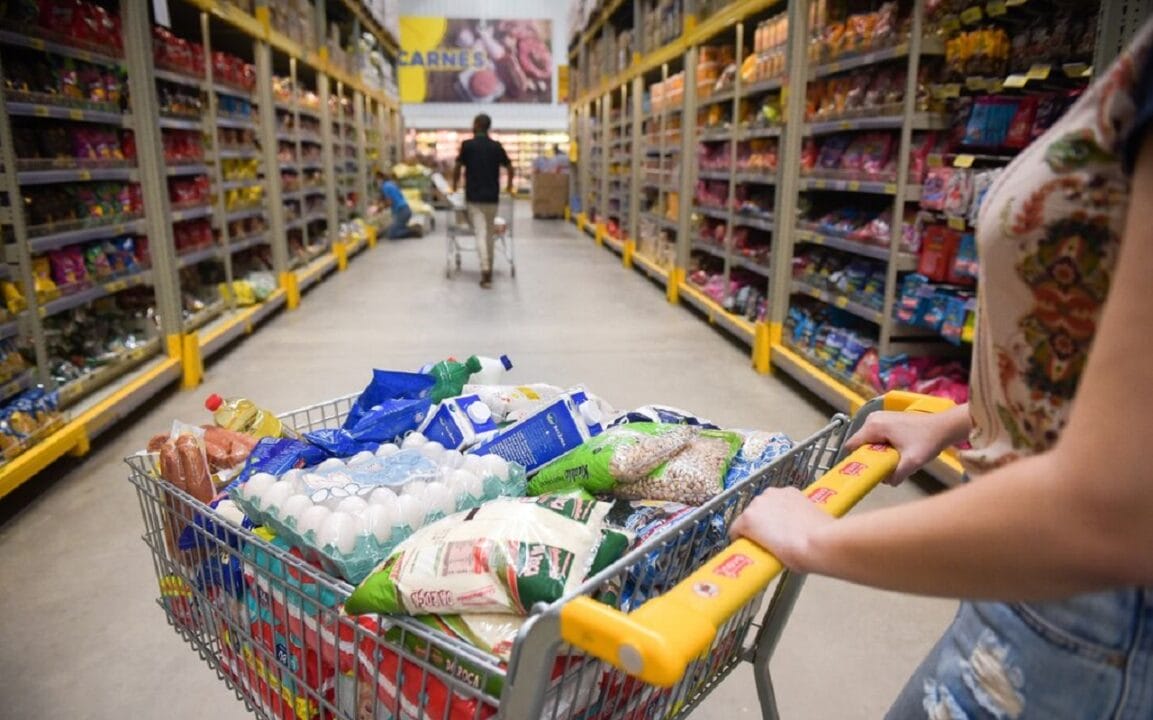

Government Lula Announces New Tax Regulation That Makes Picanha Cheaper and Beer More Expensive. Discover and Understand What Will Change With the Arrival of the “Sin Tax”.
The recent tax regulation proposal presented by the Ministry of Finance introduces a series of regimes with differentiated taxation compared to the standard rate. Among the products affected by the Lula government’s tax are cattle and alcoholic beverages, both highlighted during Lula’s 2022 presidential campaign, such as beer and picanha.
Check Out the Reduction That Made Picanha Cheaper Under the Lula Government With the Arrival of the So-Called ‘Sin Tax’


With the new tax regulation, beef cuts like picanha will have their tax reduced by 60%. The cuts are on the list of benefited foods. It is an attempt to reduce the prices of foods consumed by the poorer population. Alcoholic beverages will be subject to the Selective Tax, popularly known as the “Sin Tax”.
This is a government attempt to make access to substances considered harmful to health more difficult. The tax regulation text, enacted last December, was sent to the Chamber, which will begin discussions. The House may include or remove items from the basic basket and the “sin tax”.
-
Brazilian Startup Turns Coffee Grounds into Plant-Based Leather, Cutting Water Use by Over 50 Times for High-Impact Sustainable Fashion

-
Eco Invest Auction Aims to Unlock $10 Billion in Investments, Focusing on Green Fertilizers, Critical Minerals, Batteries, and AI for Clean Industry in Brazil

-
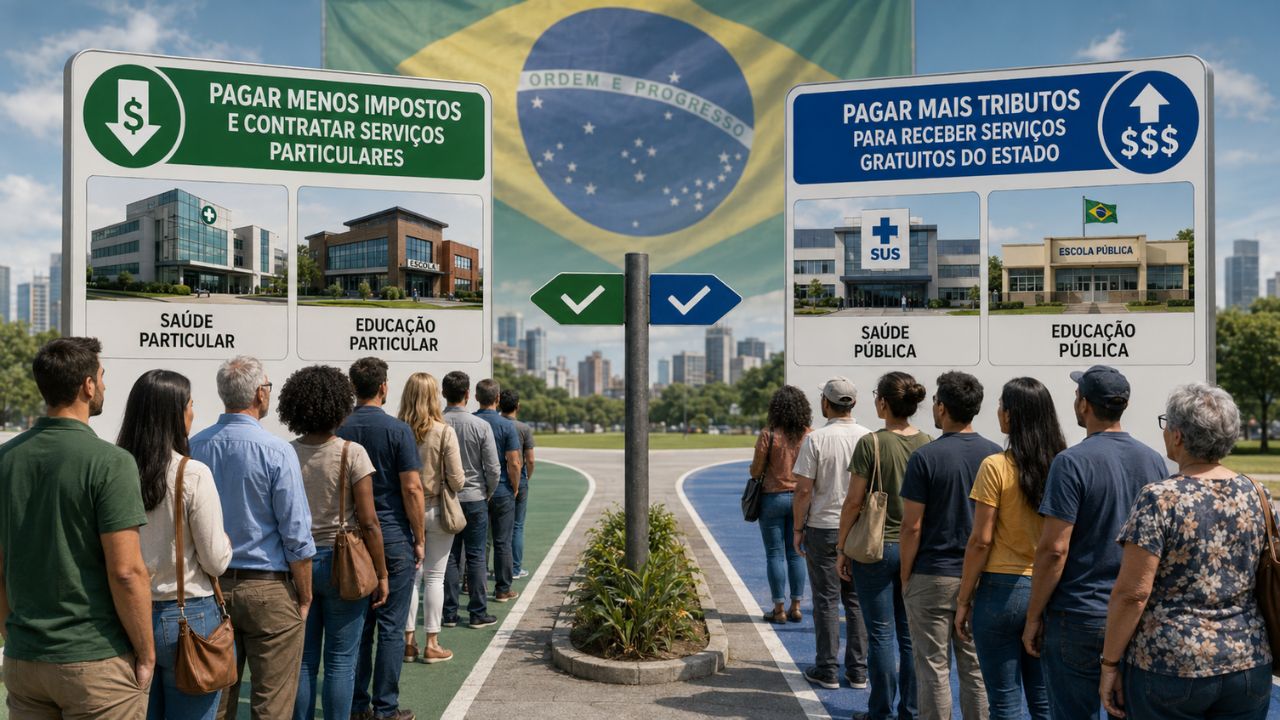
Half of Brazilians Prefer Lower Taxes with Private Health and Education, While 44% Opt for Higher Taxes for State-Provided Services, Datafolha Survey Reveals

-
Brazil’s Most Expensive Toll Rises to R$ 40.60 on Route from São Paulo to the Coast, Nearly Matching Bus Fare to Santos



Beef, pork, sheep, goat, and poultry will have rates reduced by 60% of the Goods and Services Tax (IBS) and the Contribution on Goods and Services (CBS) under the Lula government. Some types of fish will also see a rate reduction.
Others will have the full tax levy, that is, 100% of the IBS and CBS, such as salmon, tuna, cod, and others. Lobster and shellfish will be taxed at the full rate.
The tax regulation text also includes a list of foods that will have a zero rate, as they are included in the national basic food basket, meaning they will become even cheaper. Access the complete text of the new regulation by clicking here.
Which Items Will Become Cheaper With the New Tax Regulation?
In addition to cheaper picanha, other foods will also be reduced in price, such as:
- Soybean oil;
- Coffee;
- Yuca flour;
- Coconuts;
- Wheat flour;
- Sugar;
- Beans;
- Butter;
- Pasta;
- Roots and tubers;
- Margarin;
- Milk (fluid pasteurized, industrialized, ultra-pasteurized, powdered, whole, semi-skimmed, skimmed, infant formulas);
- Common bread;
- Flour, grits, and semolina, of corn and crushed grains or flakes;
- Rice;
A differentiated regime for some products from the basic basket was established in the constitutional amendment that established the tax reform. The text now brings the details of what has already been approved. In March, congress members from the tax reform working group presented a list with suggestions larger than what the Lula government proposed, such as all animal proteins.
There are 6 selected categories that will be subject to the Selective Tax, also known as the “sin tax”, which are vehicles, boats, and airplanes, tobacco products (cigarettes), alcoholic beverages, sugary drinks, and extracted mineral goods.
The “sin tax” will be levied only once on items in these categories, and it is up to the Federal Revenue to manage and supervise the collection of the tax. The corresponding rates have not yet been defined and will be disclosed later in another complementary law, according to the Ministry of Finance.
Understand the New Tax Regulation Better
In summary, the main change proposed by the tax reform for consumption is the creation of 2 Value Added Taxes (VATs) to unify a series of rates. The goal is to simplify the tax collection system in Brazil.
The change is expected to come into effect by 2033. It was established through a Proposal for an Amendment to the Constitution (PEC), approved by the National Congress in December 2023.
Brazil has 5 consumption taxes that will be unified by the VAT. They are the Tax on Industrialized Products (IPI), Social Integration Program (PIS), Contribution for the Financing of Social Security (Cofins), Service Tax (ISS), and Tax on Circulation of Goods and Services (ICMS).





Apoiar o antigo catador d **** de elefante kkkkk
Não perde oportunidade nove dedos kkkkk